Pharmaceutical

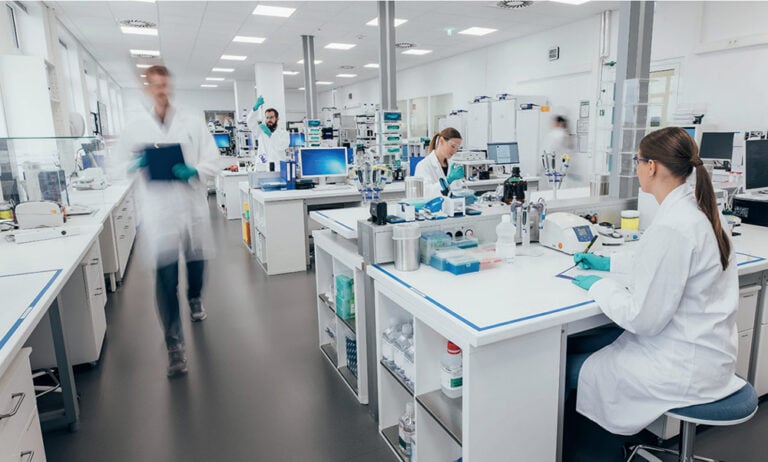
We bring high-value technologies designed to solve critical, analytical problems. We enable profound discoveries, optimize lab operations and ensure regulatory compliance. We help customers turn global industry challenges into the medicines that offer hope.

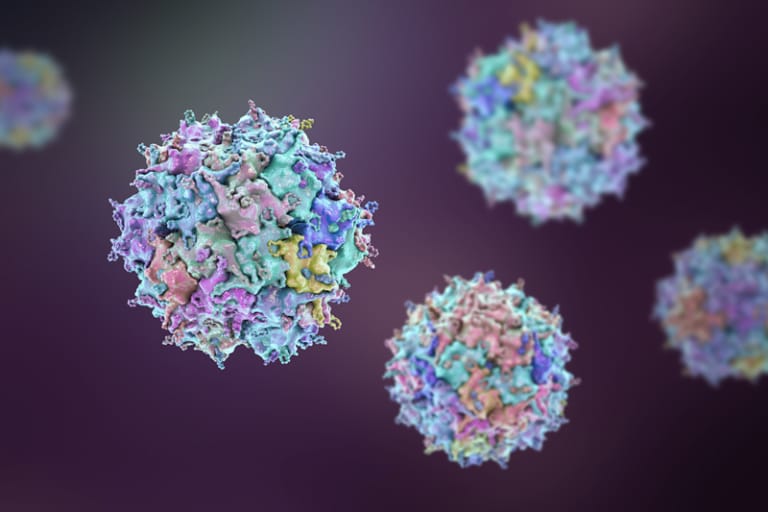
  • Toward Redosable Gene Therapy: Engineering AAVs to Evade T‑Cells

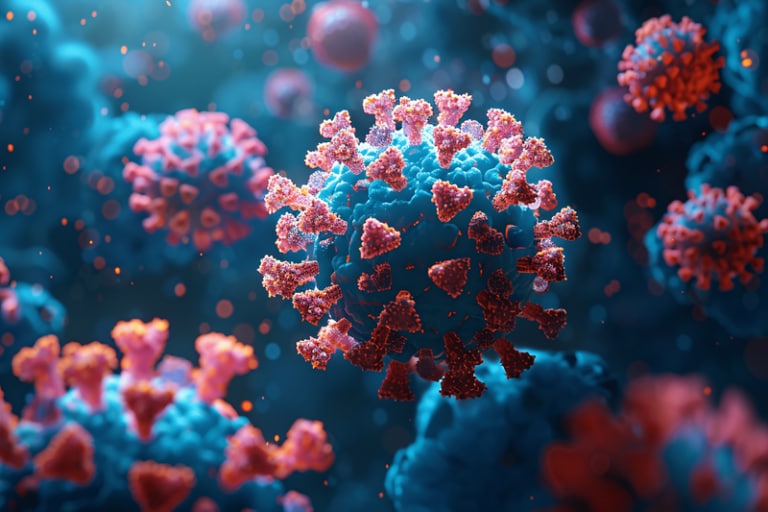
    Adeno-associated virus (AAV) vectors are widely used in gene therapy because of their ability to enable long-term transgene expression with favorable safety profiles. However, immune responses to the AAV capsid remain a major barrier, limiting treatment durability and the feasibility of repeat dosing. A recent Nature Communications study led by Dr. Ronit Mazor and colleagues…

  • Identifying Critical Quality Attributes in Drug Products: Your Key to Ensuring Safe and Effective Therapeutics

    In drug manufacturing, there is no room for error. Every decision, from early formulation to final release, must ensure a product is safe, effective, and consistent. At the center of this process are critical quality attributes (CQAs), the measurable properties that define whether a drug meets its required standards. In this blog, we break down…

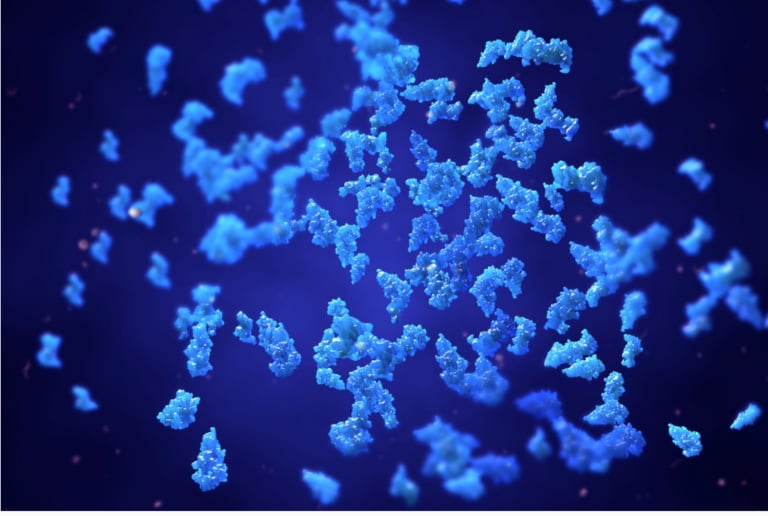
  • Catching Insulin Aggregation Before It Goes Rogue: DLS Instrument in Action

    In hospital intensive care units, insulin is a critical therapeutic used to maintain tight glycemic control. While it is typically supplied at 100 units/mL, clinical protocols dilute it to 1 unit/mL for continuous infusion, commonly known as the insulin infusion protocol (IIP). At these low concentrations, ensuring stability becomes challenging, especially when aggregation or surface…

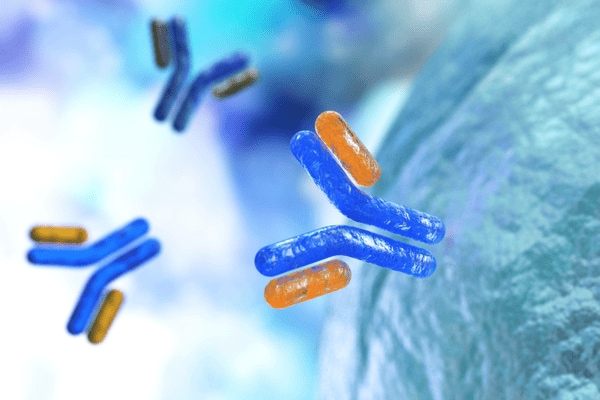
  • Unlocking Faster, More Confident Antibody Analytics with Modern Protein A Affinity Chromatography

    Biologics developers today face unprecedented pressure: tighter timelines, increasingly complex antibody formats, and a growing need for real-time process understanding. Yet many analytical workflows still rely on methods that can’t deliver the speed, sensitivity, or depth required for modern bioprocessing. That’s where advances in Protein A (ProA) affinity chromatography are making a meaningful difference, reshaping…

  • Enzymatic Digestion: Accelerating Bioseparations with Novel Enzymes

    The Role of Enzymes in LC-MS Analysis of Modern Biotherapeutics  Enzymes are nature’s catalysts, enabling precise and efficient biochemical transformations. In analytical workflows, enzymatic digestion is a cornerstone technique for breaking down complex biomolecules into smaller, more manageable fragments. This process is critical for applications such as peptide mapping in protein characterization and oligonucleotide mapping…

  • FDA October 2025 Draft Guidance Sparks Industry Biosimilars Buzz 

    The FDA’s October 29, 2025 draft guidance has generated significant attention due to the implications for both developers and patients.  By allowing developers to bypass comparative efficacy studies (CES) when advanced analytics are successful substitutes, the draft guidance avoids one of the most expensive steps, estimated to account for 70% of the total biosimilar development…

  • How Advances in Bioanalysis Drive Scientific and Ethical Progress

    How Sygnature Discovery Supports the 3Rs with LC-MS/MS Scientific Precision and Ethical Innovation In the world of drug discovery, researchers face a critical challenge: how do you generate high-quality, reproducible bioanalytical data while minimizing the ethical and logistical burden of using animals in testing?  This is especially so with central nervous system (CNS) drug discovery,…

  • Charge Detection Mass Spectrometry (CDMS):  Unprecedented Direct Measurement for the Characterization of Mega-Mass Biomolecules 

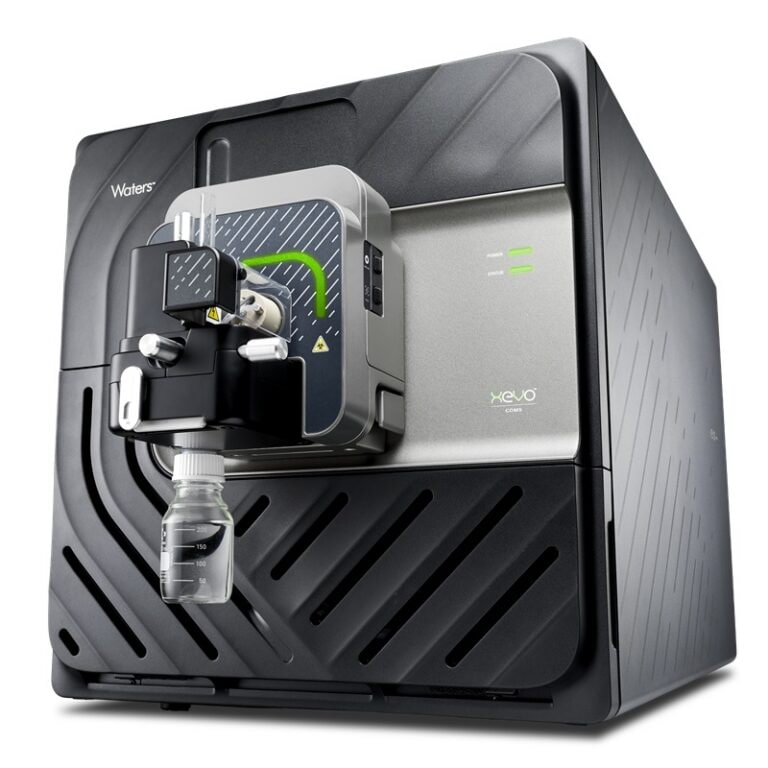
    Whether you are analyzing adeno-associated viruses (AAVs) or virus-like particles, nucleic acids such as RNAs or lipid nanoparticles (LNPs), proteins, or protein complexes, simple and fit-for-purpose tools with speed, accuracy, and precision are essential for driving biotherapeutic innovations forward. In recent years, scientists have increasingly turned to charge detection mass spectrometry (CDMS). 

  • Navigating the Hidden Threats: Managing Particulate Contamination in Cell Therapy

    In the realm of cutting-edge medical treatments, cell therapy products have emerged as revolutionary tools in combating a myriad of diseases, ranging from cancer to genetic disorders. These therapies harness the power of living cells to regenerate damaged tissue, modulate immune responses, or directly target malignant cells. However, amidst the promise of these novel treatments…

  • Early Detection of Glass Delamination: Why BMI is the Best Tool

    Glass delamination has been a persistent challenge in the pharmaceutical industry, posing risks to drug stability and patient safety. The phenomenon occurs when shiny, thin glass layers (lamellae) detach from the interior surface of a glass container and float in the contact liquid. These subvisible glass particles (SVGPs) can cause serious health risks, including infusion-related complications….

  • Beyond Impurities: Why Today’s Biologics Need Smarter Particle Analysis

    Particle analysis is not just a requirement in biopharmaceutical development—it’s a critical component that can make or break the safety and efficacy of your drug. When developing protein therapeutics, particles like aggregates over 1 µm must be defined and monitored, while in delivery systems, even the vehicles themselves—cells or viruses—qualify as particles. Ignoring or mismanaging…

  • Why Compliance with USP 789 is Essential for Pharmaceutical Manufacturers

    Ensuring the safety and quality of pharmaceutical products is a critical responsibility for manufacturers. The United States Pharmacopeia (USP) plays a pivotal role in setting the standards that safeguard patient health and uphold product efficacy. Among these, USP 789 specifically addresses particulate matter in ophthalmic solutions, emphasizing the importance of maintaining stringent quality controls to…