method development

  • Advancing Oligonucleotide Purification with MaxPeak Premier OBD Prep Columns

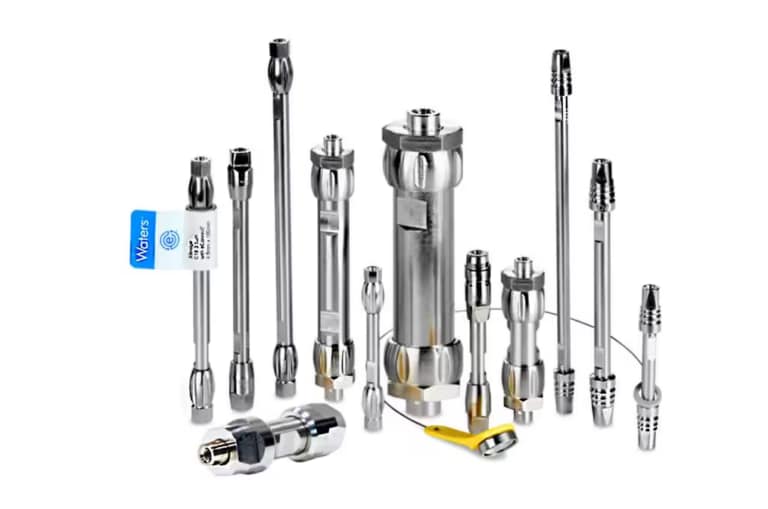
    Oligonucleotide therapeutics continue to grow in complexity, and so do the purification challenges that come with them. Scientists need reliable, scalable solutions for preparative oligonucleotide purification. MaxPeak Premier Oligo OBD Columns provide a powerful solution for these workflows, now expanded to include 19mm ID formats. These columns reduce non-specific adsorption, improve recovery, and enable consistent…

  • Controlling Analytical Method Variability with Key Approaches to Sample Handling and Preparation

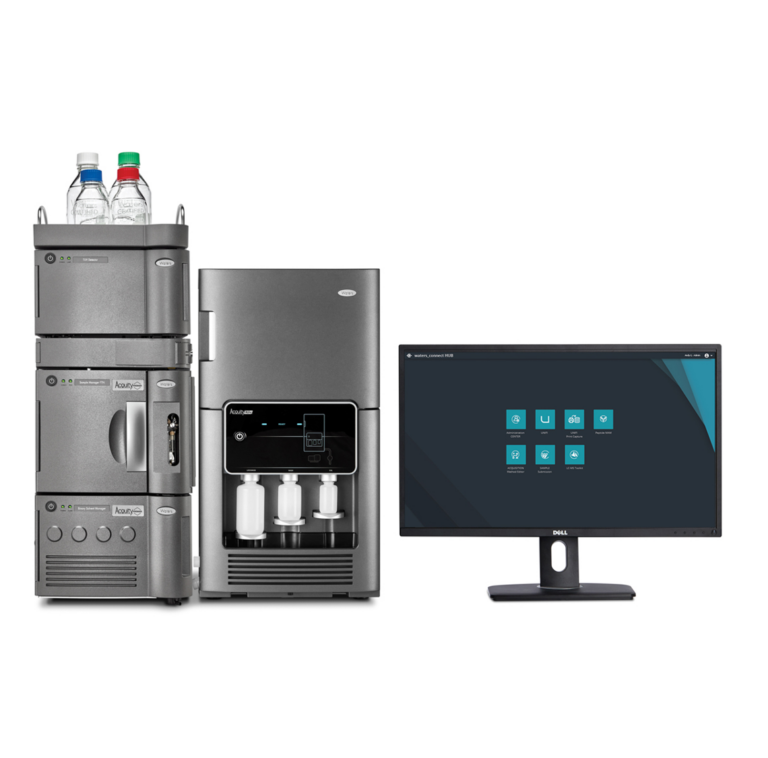
    Sample handling and preparation can have a substantial effect on an analytical method’s variability and data quality.  It is important to consider and address the risks associated with sample preparation as part of the method development process.  This requires carefully designed and executed experiments and clear documentation in the method to give the analyst an…

  • Webinar Highlights – Improving Analytical Method Performance Through Quality Risk Management and a Design of Experiments Approach

    In our most recent Method Lifecycle Management webinar held Improving Analytical Method Performance Through Quality Risk Management and a Design of Experiments Approach, Joseph A. Turpin, Director of Chromatography Products and Services at S-Matrix Corporation and Tran Pham, Business Development Manager at Waters Corporation, presented an overview of Quality by Design approaches to analytical method development (AQbD), the regulatory views on this approach, examples of design of experiments in AQbD, and case studies demonstrating software assisted AQbD method development.

  • How to improve analytical method transfers for biotherapeutics

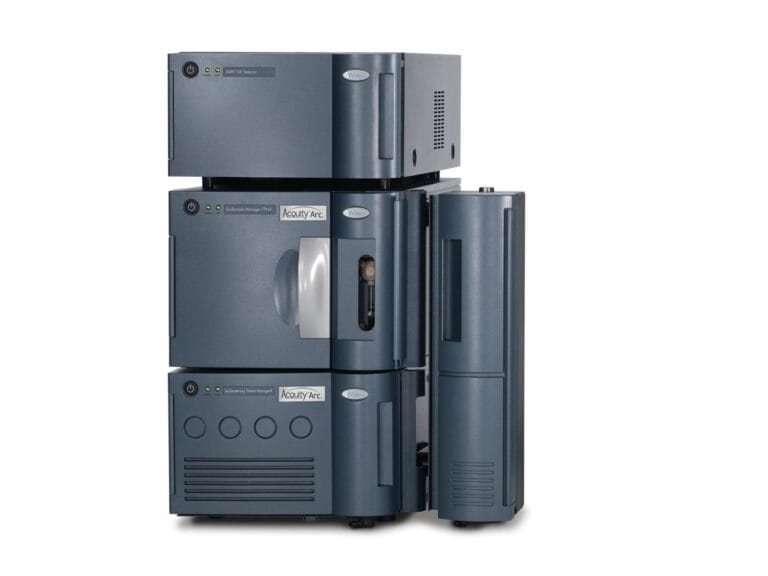
    “Assuming continuous improvement is a worthy goal, there is every reason to improve validated chromatographic methods if you’re working with the right instrument technology,” says Eric Grumbach of Waters. See what that means for developing and transferring methods for biologic drugs.

  • Infographic: What’s the Best Column for Polar Compound Retention?

    Retaining and separating highly polar, water-soluble organic compounds has been a challenge for separations scientists who prefer reversed-phase chromatography as their technique of choice. See how Waters has addressed these analytical challenges with our T3 columns.

  • Changing the Rules with Mass Detection

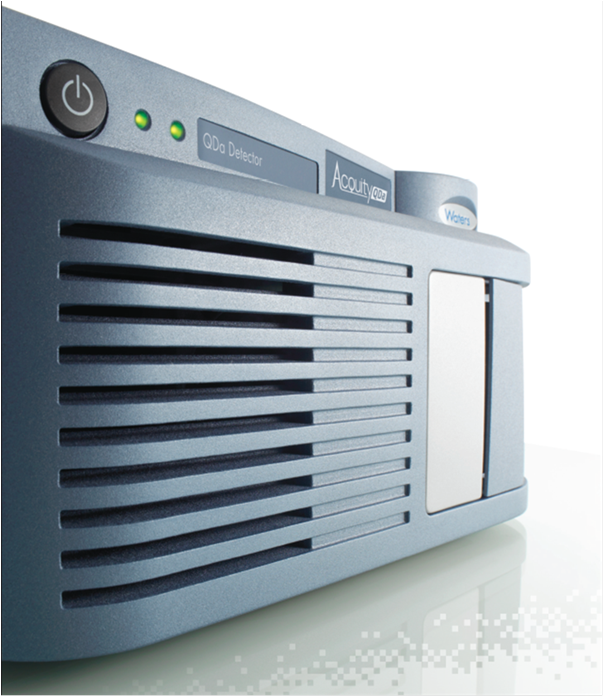
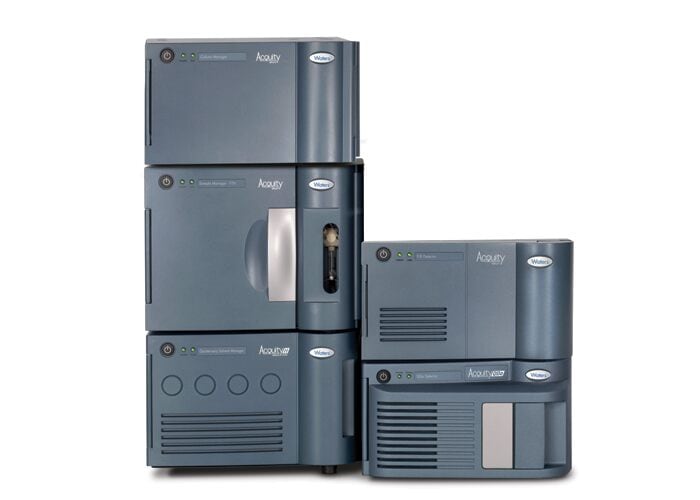
    With access to multiple mass spectrometry systems of varying degrees of sophistication, Davy Guillarme (University of Geneva, Switzerland) wasn’t actively looking for new mass detection solutions. Nevertheless, the Waters ACQUITY QDa mass detector caught his eye.

  • High-throughput Microscale Bioanalysis is not a Paradox

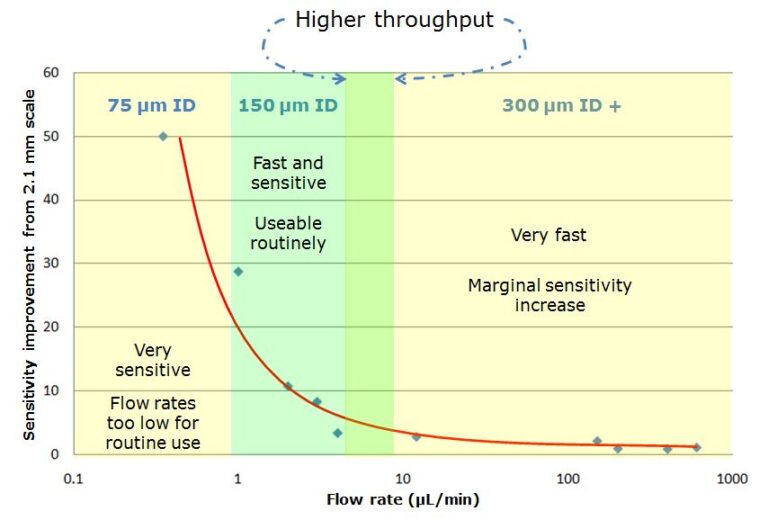
      Question: When someone says microscale chromatography, what comes to mind? Increased sensitivity? Reduced sample volume? Enhanced MS sampling efficiency? Yes, yes, and yes! You might also say, “finicky,” “slow,” or “only one person in our group knows how to use it!” Maybe even, “there’s no way I can successfully transfer that method, so why…