
Waters Staff
Waters Staff is comprised of contributors with a variety of expertise across our organization.

Waters Staff is comprised of contributors with a variety of expertise across our organization.
What if simpler sample preparation could help make endotoxin testing more consistent—without compromising throughput? In a recent webinar, Guillaume Mignard from Waters and Paola Vigilanza, PhD, and Luca Di Bello from bioMérieux demonstrated how to simplify endotoxin testing by combining ready-to-use assay plates with automated sample preparation. The webinar explored assay simplification, standardized preparation and…
In drug manufacturing, there is no room for error. Every decision, from early formulation to final release, must ensure a product is safe, effective, and consistent. At the center of this process are critical quality attributes (CQAs), the measurable properties that define whether a drug meets its required standards. In this blog, we break down…
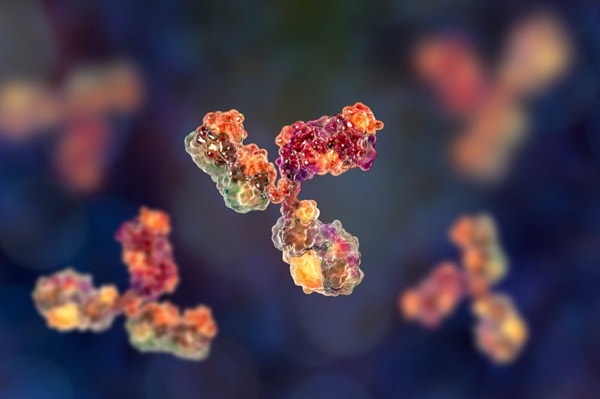
The FDA’s approval of Orthoclone OKT3 (muromonab-CD3) in 1986 for the treatment of acute allograft rejection in organ transplant patients marked the beginning of a new era in immunotherapy. Since then, monoclonal antibodies have revolutionized the management of cancer, inflammatory diseases, and infectious diseases. However, the complexity of manufacturing these biologics has driven high costs,…
Dr. Takashi Azuma’s research on hospital wastewater monitoring at Osaka Medical and Pharmaceutical University may prevent the next global pandemic. Five years later, it is difficult to forget the horror of the Covid-19 pandemic. Leaving behind a death toll estimated at between 18.2 million to 33.5 million, the greatest recession since the Great Depression, and…
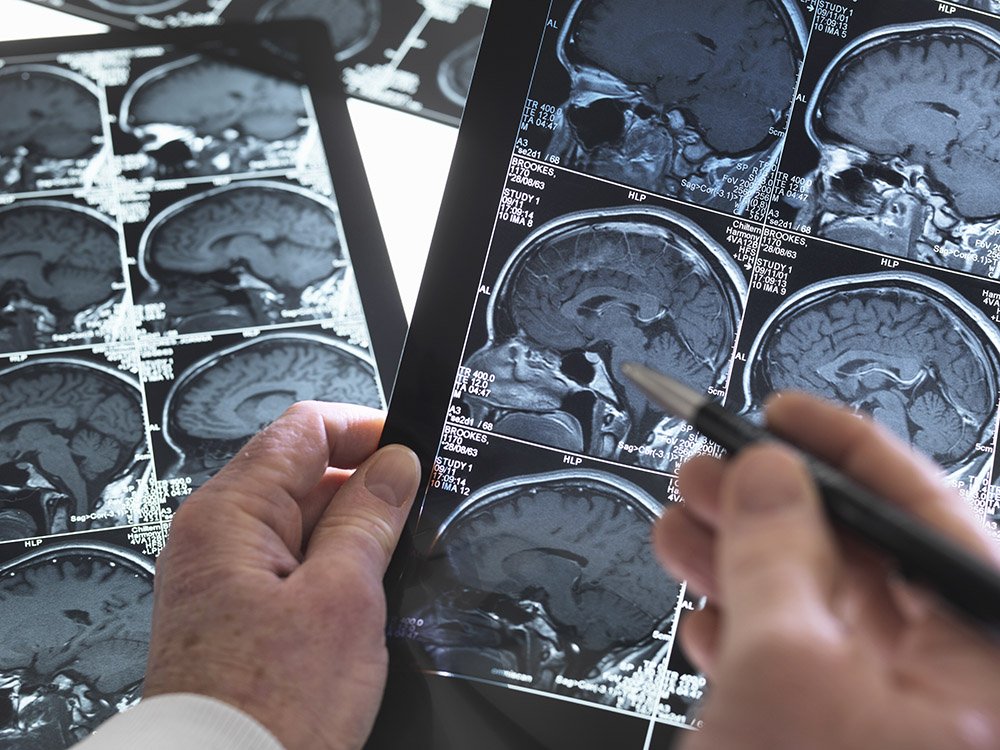
When Dr. Harry Whitwell, Lecturer, Imperial College London, was recruited to lead the integration of proteomics at the National Phenome Centre (NPC), he knew that he would have to address a key bottleneck that he would be faced with — sample preparation. Funded by the Medical Research Council (MRC) and the National Institute for Health…
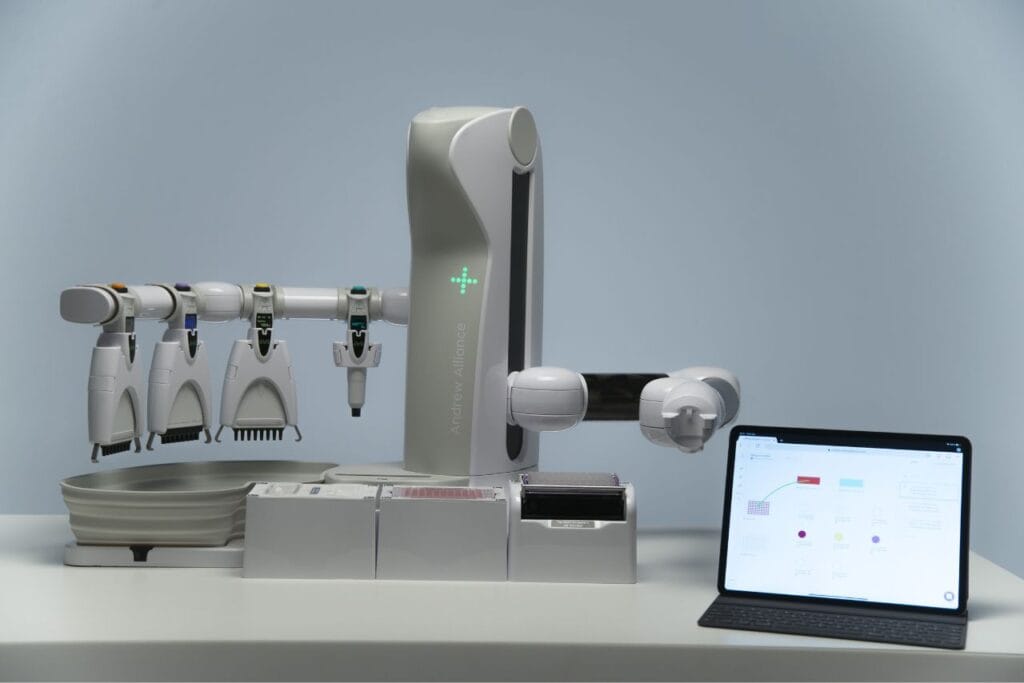
Data integrity requires laboratories to handle data consistently from beginning to end, with measures like encryption, access controls, and regular backups to maintain compliance with regulatory standards such as GDPR, HIPAA, and SOX. The introduction of new technologies within the scientific world further highlights the need for strong regulations and compliance when dealing with the data…

Amino acids (AAs) and their metabolites are important building blocks, energy sources, and signaling molecules associated with various pathological phenotypes. The quantification of AA and tryptophan (TRP) metabolites in human serum and plasma is therefore of great diagnostic interest. Consequently, robust, reproducible sample extraction and processing workflows along with rapid, sensitive absolute quantification are required…

Laboratory automation solutions play an important role in helping scientists streamline processes, save time, and reduce both costs and errors. Implementing automation effectively begins with assessing your laboratory’s workflow needs, especially as innovative technologies like liquid handling platforms continue to evolve and offer even further benefits and solutions for laboratory workflows. As these innovations advance, they…
Waters instruments are helping our customers to identify PFAS at very low levels to study their persistence and toxicity, as governments work to develop plans to remove them from our environment.

We believe we have created the most intuitively simple HPLC we have ever made. It is the first-ever system dedicated to the specific needs of the QC lab, and it will save our customers time, money, and stress.

Chief Human Resources Officer Belinda Hyde describes her journey and perspectives on embracing equity for women.

What does smart tech look like in an analytical lab today? Labs that are primed and ready to take advantage of future technological advances will get ahead of their competitors. How will a lab get there?