biotherapeutics

  • What’s Really Happening to Your rAAV Under Stress?

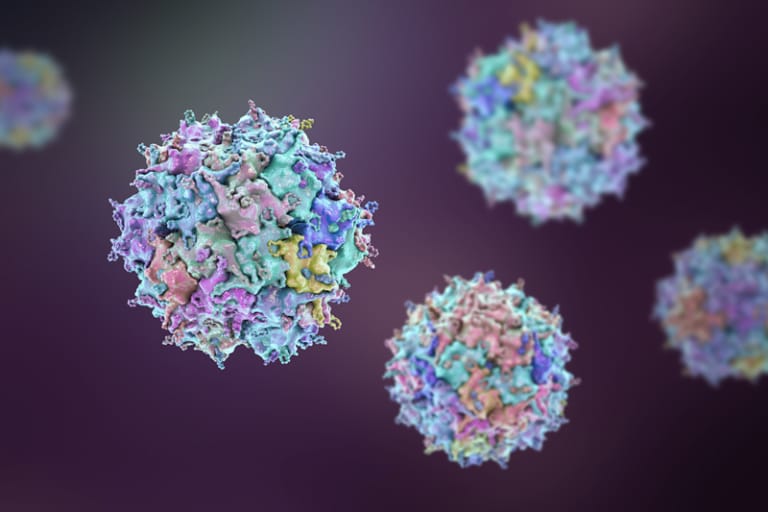
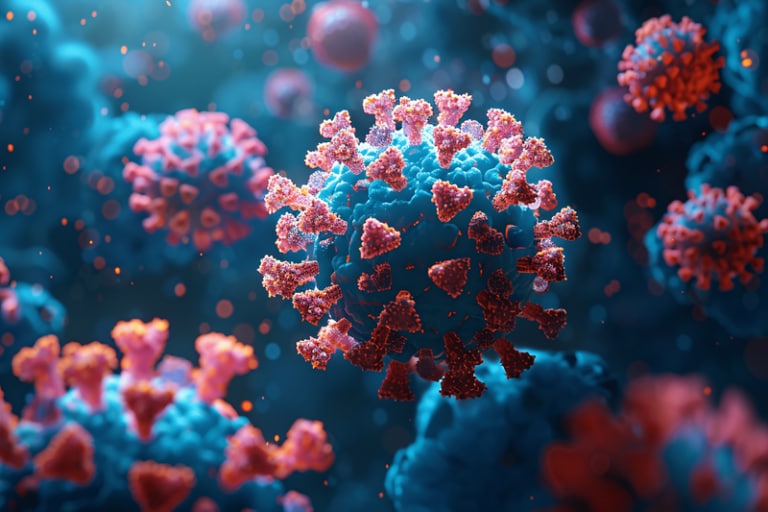
    Ensuring the stability of recombinant adeno-associated virus (rAAV) vectors remains a central challenge in gene therapy development. rAAV particles are structurally complex, highly heterogeneous, and sensitive to environmental stress, making it difficult to link analytical changes to functional consequences during manufacturing and storage. A recent Journal of Pharmaceutical Sciencesstudy by Prof. Susumu Uchiyama and colleaguesat…

  • Seeing What Others Missed: How CDMS Unlocked Proteasome Function

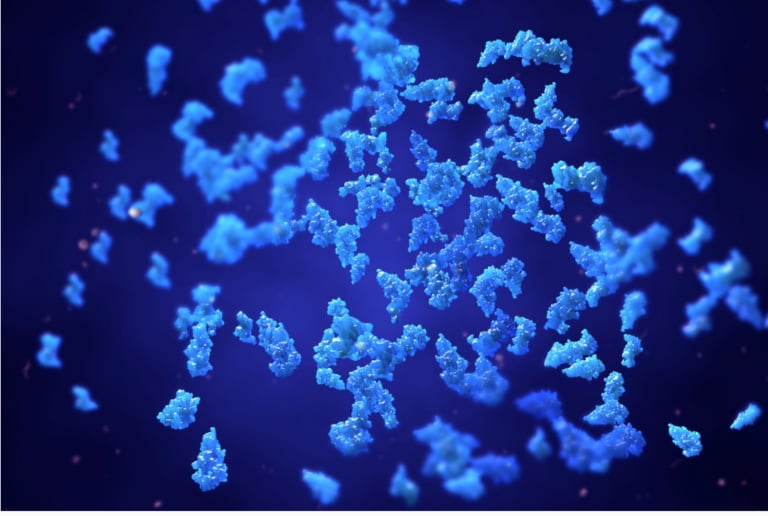
    Understanding how bacterial proteasomes recognize and process their substrates remains a major challenge in infectious disease biology and drug discovery. In Mycobacterium tuberculosis, this challenge is particularly critical, as the proteasome is essential for bacterial survival inside host macrophages and represents an attractive antibacterial target. A recent Nature Communications study by Prof. Siavash Vahidi and…

  • Toward Redosable Gene Therapy: Engineering AAVs to Evade T‑Cells

    Adeno-associated virus (AAV) vectors are widely used in gene therapy because of their ability to enable long-term transgene expression with favorable safety profiles. However, immune responses to the AAV capsid remain a major barrier, limiting treatment durability and the feasibility of repeat dosing. A recent Nature Communications study led by Dr. Ronit Mazor and colleagues…

  • Enzymatic Digestion: Accelerating Bioseparations with Novel Enzymes

    The Role of Enzymes in LC-MS Analysis of Modern Biotherapeutics  Enzymes are nature’s catalysts, enabling precise and efficient biochemical transformations. In analytical workflows, enzymatic digestion is a cornerstone technique for breaking down complex biomolecules into smaller, more manageable fragments. This process is critical for applications such as peptide mapping in protein characterization and oligonucleotide mapping…

  • FDA October 2025 Draft Guidance Sparks Industry Biosimilars Buzz 

    The FDA’s October 29, 2025 draft guidance has generated significant attention due to the implications for both developers and patients.  By allowing developers to bypass comparative efficacy studies (CES) when advanced analytics are successful substitutes, the draft guidance avoids one of the most expensive steps, estimated to account for 70% of the total biosimilar development…

  • How Advances in Bioanalysis Drive Scientific and Ethical Progress

    How Sygnature Discovery Supports the 3Rs with LC-MS/MS Scientific Precision and Ethical Innovation In the world of drug discovery, researchers face a critical challenge: how do you generate high-quality, reproducible bioanalytical data while minimizing the ethical and logistical burden of using animals in testing?  This is especially so with central nervous system (CNS) drug discovery,…

  • Beyond Impurities: Why Today’s Biologics Need Smarter Particle Analysis

    Particle analysis is not just a requirement in biopharmaceutical development—it’s a critical component that can make or break the safety and efficacy of your drug. When developing protein therapeutics, particles like aggregates over 1 µm must be defined and monitored, while in delivery systems, even the vehicles themselves—cells or viruses—qualify as particles. Ignoring or mismanaging…

  • The Quest for Safer, More Targeted Therapies for Patients

    Our goal is to create new value through the expanded global reach and combination of Waters and Wyatt technology. The delivery of these two pieces along with our deep scientific expertise, will support our customers to make life-changing therapies more accessible.

  • I Resolve to Get Better mAb Separations

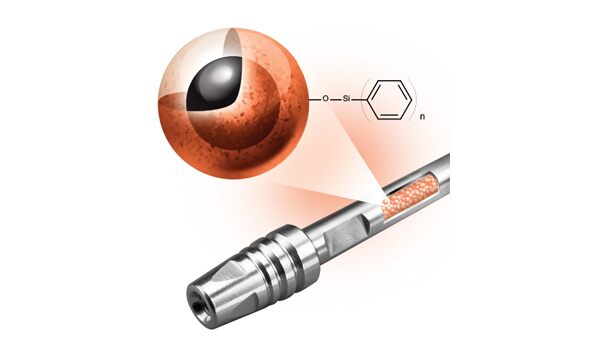
    We listened and learned how scientists separate mAbs and ADCs; then we designed a novel column for LC-MS bioseparations A critical step toward the prolific and successful use of monoclonal antibodies (mAb) as biotherapeutics occurred in 1988 when techniques were introduced to humanize these biomolecules, eliminating or reducing the deleterious patient side effects that previous…