
-
From Complex Workflows to Conversation: How Waters is Bringing Governed, Practical AI Into Laboratory Software
Artificial intelligence (AI) is changing how people interact with software. However, in the lab, innovation must do more than make technology easier to use, it must also support scientific confidence, protect access to data, and fit within established governance. Waters AI Link is designed for that reality, providing a conversational connection to waters_connect Software that…

Recent Posts
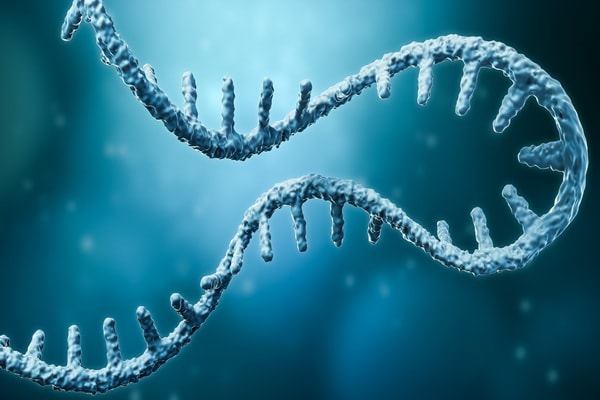
From Transcript to LNP Formulation: Measuring Intact mRNA with CDMS
mRNA therapeutics are advancing rapidly, but a major analytical challenge remains: how do you verify that a large, full-length transcript remains intact throughout manufacturing and formulation? A recent Analytical Chemistry article by scientists from Pfizer and Megadalton Solutions demonstrates how charge detection mass spectrometry (CDMS) helped to close this gap. The researchers directly measured intact...

From Complex Workflows to Conversation: How Waters is Bringing Governed, Practical AI Into Laboratory Software
Artificial intelligence (AI) is changing how people interact with software. However, in the lab, innovation must do more than make technology easier to use, it must also support scientific confidence, protect access to data, and fit within established governance. Waters AI Link is designed for that reality, providing a conversational connection to waters_connect Software that...

Most Grain, Feed, and Feed Ingredient Samples Contain More Than One Mycotoxin
What do recent studies reveal about mycotoxin co-occurrence across grain, feed ingredients, and finished feed? Introduction Grain, feed ingredients, and finished feed are routinely tested for mycotoxins to support quality, compliance, and risk management decisions. Recent peer-reviewed research suggests that the question may no longer be whether mycotoxins are present, but whether testing programs capture...
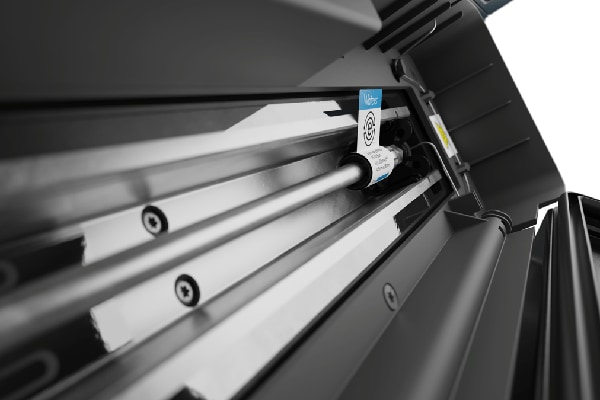
PROTACs Are Different: What Does That Mean for Liquid Chromatography?
As drug discovery moves beyond traditional small-molecule inhibitors, analytical scientists are being asked to characterize increasingly complex molecules. Proteolysis-targeting chimeras (PROTACs) are one example. PROTACs combine two binding elements with a linker to selectively target proteins for degradation. Their larger size, flexibility, and multiple functional groups can create new analytical considerations compared to more conventional...
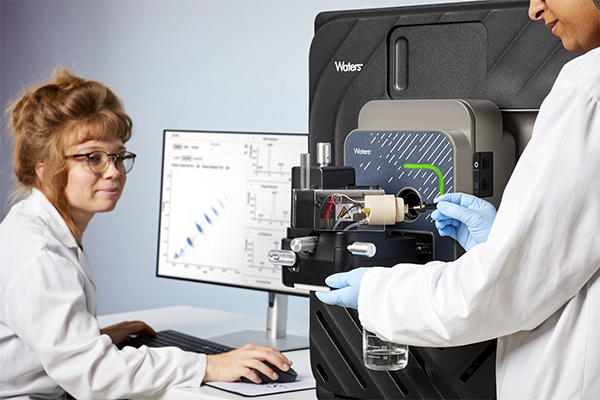
Breaking the Megadalton Barrier: Benchtop CDMS Arrives
A recent bioRxiv paper by Dr. Jakub Ujma and colleagues at Waters Corporation, in collaboration with Prof. Martin Jarrold from Indiana University and Megadalton Solutions, describes a major advance—the first commercial benchtop charge detection mass spectrometer (CDMS) based on electrostatic linear ion trap (ELIT) technology. Why does this matter CDMS is uniquely suited for analyzing...
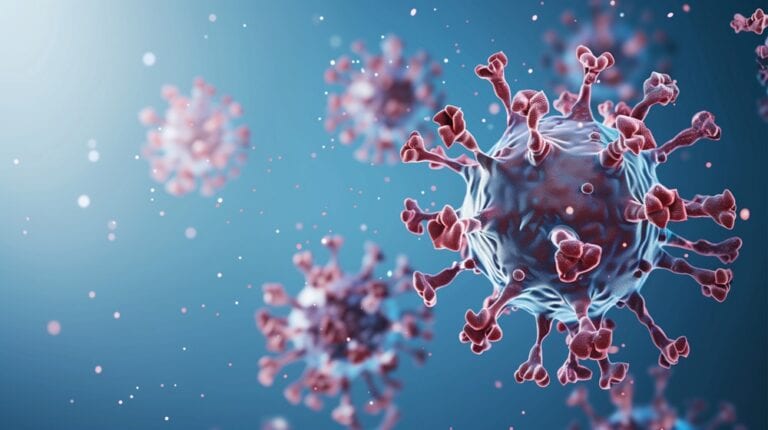
What’s Really Happening Inside the Capsid of Norovirus VLPs?
Norovirus virus-like particles (VLPs) are structurally heterogeneous, built from a single capsid protein that self-assembles into multiple geometries, making full characterization by conventional mass spectrometry (MS) extremely difficult. A recent bioRxiv paper by Dr. Charlotte Uetrecht and colleagues at the Centre for Structural Systems Biology (CSSB) in Hamburg, Germany, in collaboration with Waters scientists, demonstrates...
Popular Topics
ACQUITY QDa (17) bioanalysis (14) biologics (17) biopharma (50) biopharmaceutical (60) biotherapeutics (24) case study (22) chromatography (16) data integrity (28) HPLC (17) informatics (12) LC-MS (36) liquid chromatography (LC) (35) mass detection (17) mass spectrometry (MS) (68) method development (16) particle analysis (21) regulatory compliance (16)