
-
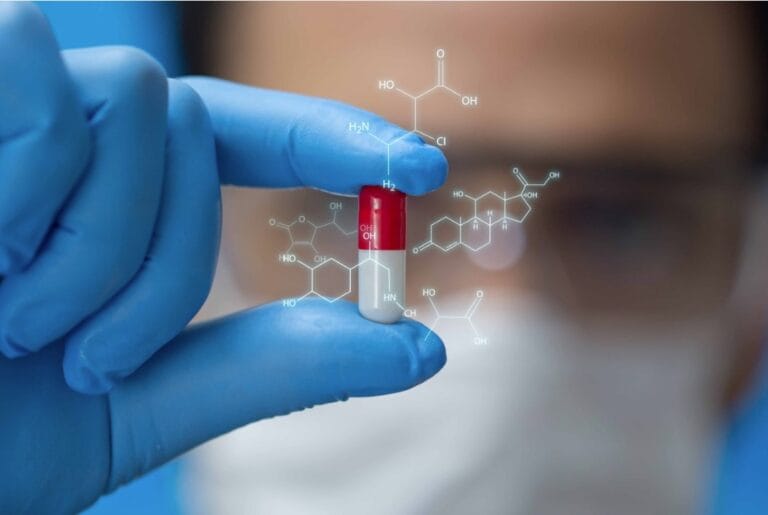
PROTACs Are Different: What Does That Mean for Liquid Chromatography?
As drug discovery moves beyond traditional small-molecule inhibitors, analytical scientists are being asked to characterize increasingly complex molecules. Proteolysis-targeting chimeras (PROTACs) are one example. PROTACs combine two binding elements with a linker to selectively target proteins for degradation. Their larger size, flexibility, and multiple functional groups can create new analytical considerations compared to more conventional…

Recent Posts
Charge Detection Mass Spectrometry (CDMS): Unprecedented Direct Measurement for the Characterization of Mega-Mass Biomolecules
Whether you are analyzing adeno-associated viruses (AAVs) or virus-like particles, nucleic acids such as RNAs or lipid nanoparticles (LNPs), proteins, or protein complexes, simple and fit-for-purpose tools with speed, accuracy, and precision are essential for driving biotherapeutic innovations forward. In recent years, scientists have increasingly turned to charge detection mass spectrometry (CDMS).
Navigating the Hidden Threats: Managing Particulate Contamination in Cell Therapy
In the realm of cutting-edge medical treatments, cell therapy products have emerged as revolutionary tools in combating a myriad of diseases, ranging from cancer to genetic disorders. These therapies harness the power of living cells to regenerate damaged tissue, modulate immune responses, or directly target malignant cells. However, amidst the promise of these novel treatments...
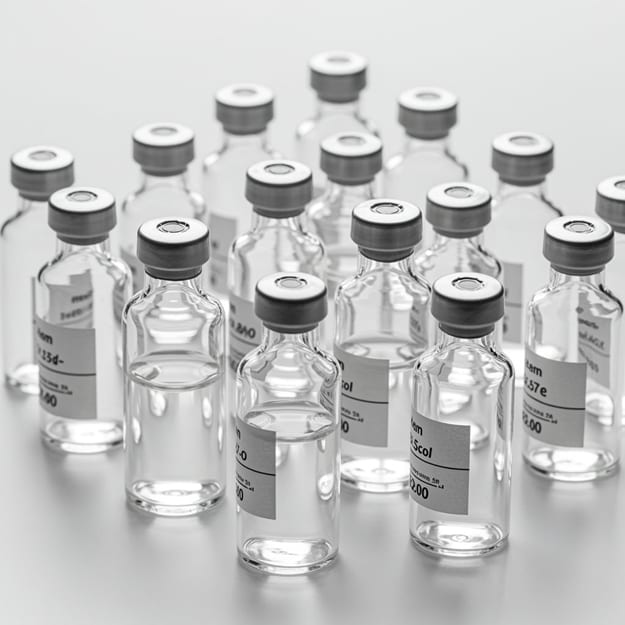
Early Detection of Glass Delamination: Why BMI is the Best Tool
Glass delamination has been a persistent challenge in the pharmaceutical industry, posing risks to drug stability and patient safety. The phenomenon occurs when shiny, thin glass layers (lamellae) detach from the interior surface of a glass container and float in the contact liquid. These subvisible glass particles (SVGPs) can cause serious health risks, including infusion-related complications....
Leveraging Automation to Accelerate Discovery of Molecular Signatures for Cognitive Decline in Alzheimer’s Disease
When Dr. Harry Whitwell, Lecturer, Imperial College London, was recruited to lead the integration of proteomics at the National Phenome Centre (NPC), he knew that he would have to address a key bottleneck that he would be faced with — sample preparation. Funded by the Medical Research Council (MRC) and the National Institute for Health...
Beyond Impurities: Why Today’s Biologics Need Smarter Particle Analysis
Particle analysis is not just a requirement in biopharmaceutical development—it’s a critical component that can make or break the safety and efficacy of your drug. When developing protein therapeutics, particles like aggregates over 1 µm must be defined and monitored, while in delivery systems, even the vehicles themselves—cells or viruses—qualify as particles. Ignoring or mismanaging...
Why Compliance with USP 789 is Essential for Pharmaceutical Manufacturers
Ensuring the safety and quality of pharmaceutical products is a critical responsibility for manufacturers. The United States Pharmacopeia (USP) plays a pivotal role in setting the standards that safeguard patient health and uphold product efficacy. Among these, USP 789 specifically addresses particulate matter in ophthalmic solutions, emphasizing the importance of maintaining stringent quality controls to...
Popular Topics
ACQUITY QDa (17) bioanalysis (13) biologics (17) biopharma (50) biopharmaceutical (59) biotherapeutics (24) case study (22) chromatography (16) data integrity (28) HPLC (17) informatics (12) LC-MS (35) liquid chromatography (LC) (34) mass detection (16) mass spectrometry (MS) (68) method development (16) particle analysis (21) regulatory compliance (16)