
-
PROTACs Are Different: What Does That Mean for Liquid Chromatography?
As drug discovery moves beyond traditional small-molecule inhibitors, analytical scientists are being asked to characterize increasingly complex molecules. Proteolysis-targeting chimeras (PROTACs) are one example. PROTACs combine two binding elements with a linker to selectively target proteins for degradation. Their larger size, flexibility, and multiple functional groups can create new analytical considerations compared to more conventional…
Recent Posts
Identifying Critical Quality Attributes in Drug Products: Your Key to Ensuring Safe and Effective Therapeutics
In drug manufacturing, there is no room for error. Every decision, from early formulation to final release, must ensure a product is safe, effective, and consistent. At the center of this process are critical quality attributes (CQAs), the measurable properties that define whether a drug meets its required standards.In this blog, we break down the...

Catching Insulin Aggregation Before It Goes Rogue: DLS Instrument in Action
In hospital intensive care units, insulin is a critical therapeutic used to maintain tight glycemic control. While it is typically supplied at 100 units/mL, clinical protocols dilute it to 1 unit/mL for continuous infusion, commonly known as the insulin infusion protocol (IIP). At these low concentrations, ensuring stability becomes challenging, especially when aggregation or surface...
Two Truths and a Lie About Solid‑Core Particle Efficiency
Solid‑core (or superficially porous) particles are the foundation of solid core HPLC columns and have earned a reputation for delivering higher efficiency separations than similarly sized, fully porous particles. Chromatographers see this play out repeatedly across small- and large-molecule applications under a wide range of operating conditions. But why solid‑core particles are more efficient is...
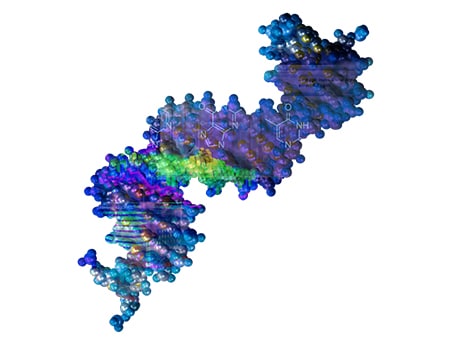
Advancing Oligonucleotide Analysis with GTxResolve Microflow Columns with MaxPeak Premier Technology
As modern biopharma pipelines evolve toward increasingly complex modalities, such as therapeutic oligonucleotides, analytical scientists face a familiar pressure: obtain higher sensitivity from smaller samples, while reducing solvent consumption and workflow burden. Microflow liquid chromatography (LC) has emerged as a powerful strategy to meet these demands, and recent column technology innovations are pushing performance even...
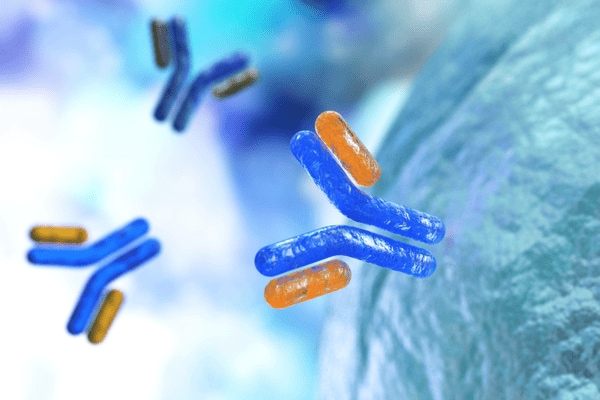
Unlocking Faster, More Confident Antibody Analytics with Modern Protein A Affinity Chromatography
Biologics developers today face unprecedented pressure: tighter timelines, increasingly complex antibody formats, and a growing need for real-time process understanding. Yet many analytical workflows still rely on methods that can’t deliver the speed, sensitivity, or depth required for modern bioprocessing. That’s where advances in Protein A (ProA) affinity chromatography are making a meaningful difference, reshaping...

Why More Laboratories are Choosing Empower Subscription Bundles
For more than three decades, Waters Empower Chromatography Data System (CDS) has been the trusted foundation for chromatography data management. Empower Software enables laboratories to address regulatory requirements, deliver consistent results, and scale operations. But the pace of change in today’s scientific world is unprecedented- unlike anything labs have experienced before. Global supply chains, the...
Popular Topics
ACQUITY QDa (17) bioanalysis (13) biologics (17) biopharma (50) biopharmaceutical (59) biotherapeutics (24) case study (22) chromatography (16) data integrity (28) HPLC (17) informatics (12) LC-MS (35) liquid chromatography (LC) (34) mass detection (16) mass spectrometry (MS) (68) method development (16) particle analysis (21) regulatory compliance (16)