debbie francis

Debbie Francis

Debbie Francis began her career in NHS clinical biochemistry laboratories after achieving an MSc in Biomedical Science, and has built over two decades of experience bridging science and commercial strategy. For the past 25 years, she has worked across the diagnostics and life sciences industry in marketing and product management roles, helping bring innovative technologies to market. Since joining Waters in 2018, Debbie has focused on enabling the adoption of clinical LC-MS solutions, combining her clinical insight with a passion for delivering real-world impact for laboratories and patients.

Posts From Debbie Francis


xevo tq absolute xr with waters connect for quantitation full res presentation logo md

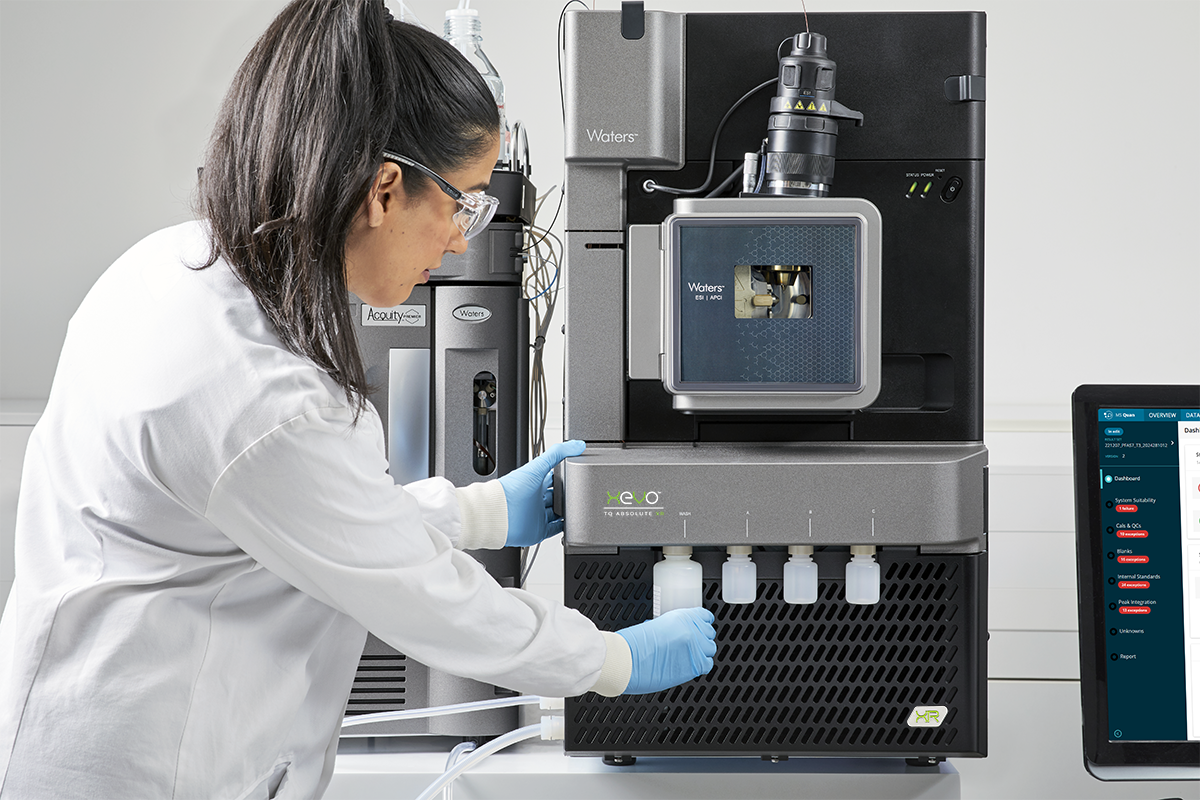
Is it Possible to Have High Analytical Sensitivity and Robustness in Clinical Mass Spectrometry?

,

For decades, mass spectrometry (MS) developers and users have lived with a familiar trade‑off. Instruments designed for the highest analytical sensitivity often come with implicit costs: fragility, frequent maintenance, and performance that drifts under the pressures of routine use. Conversely, the most robust systems have sometimes been viewed as blunt tools—reliable workhorses, but lacking the…

laptop, scientist and women with smile, medical research and excited for results of test and pointing. lab, online and conversation for medicine of healthcare, pharmaceutical and collaboration

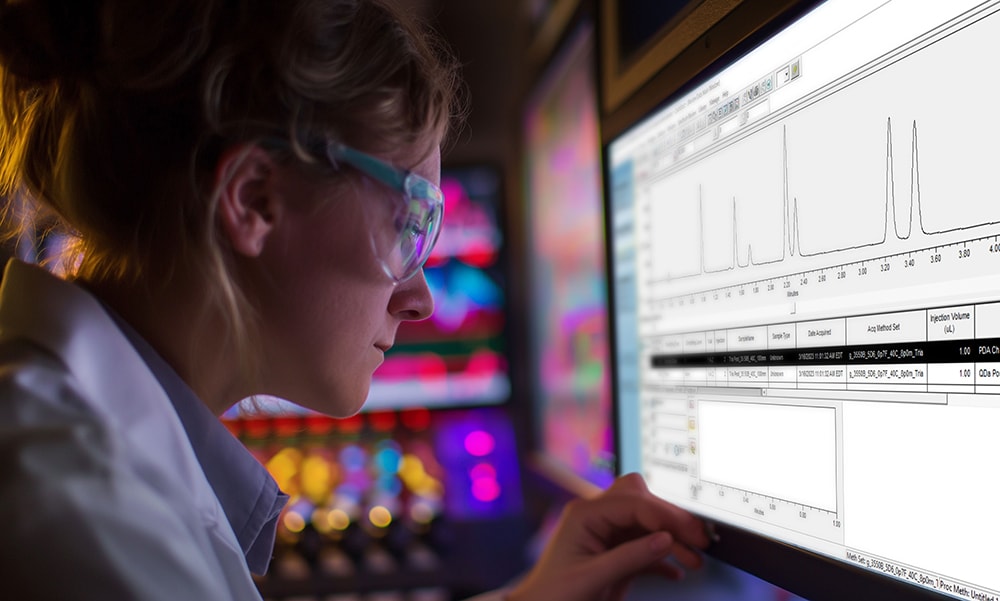
Reducing Risk, Rework, and Cost Through Chromatographic Stability

,

As clinical LC‑MS adoption continues to grow across toxicology, endocrinology, therapeutic drug monitoring, and metabolic testing, laboratories face an increasingly difficult challenge: delivering results that are not only sensitive, but routine, reproducible, and economically sustainable. While investment decisions often focus on mass spectrometry (MS) detection, experience across clinical laboratories shows that chromatography is frequently the…

adobestock 971738341 empower screen full res presentation ready jpg

The Hidden Cause of Variability in Clinical LC-MS

,

When variability appears in clinical liquid chromatography-mass spectrometry (LC‑MS) data, the mass spectrometer is often the first place that laboratories look. Changes in signal intensity, quantitative drift, or failed batches are frequently attributed to detector performance, ion optics, or acquisition settings. Chromatography is often the root cause of the variability observed at the mass spectrometer….

lost in the peaks image 2 full res presentation ready jpg

Retention Time Stability: The Foundation of Robust Clinical LC-MS

,

In clinical liquid chromatography-mass spectrometry (LC‑MS), sensitivity and specificity often dominate the conversation. But behind every reliable result is a less visible parameter that determines whether workflows scale smoothly or struggle under pressure: retention time stability. As clinical laboratories increasingly rely on LC‑MS for high‑throughput, multi‑analyte testing, retention time stability has become a defining factor…

female nurse drawing blood sample from young man in medical office

Why Chromatography Still Matters in the Age of More Sensitive Mass Spectrometry

,

Mass spectrometry (MS) is more powerful than ever. Modern clinical MS systems deliver extraordinary analytical sensitivity, selectivity, and quantitative performance, opening the door to broader test menus with lower detection limits. With capabilities like these, it’s tempting to ask a simple question: Does chromatography still matter as much as it used to? The short answer…