
Enzymatic Digestion: Accelerating Bioseparations with Novel Enzymes
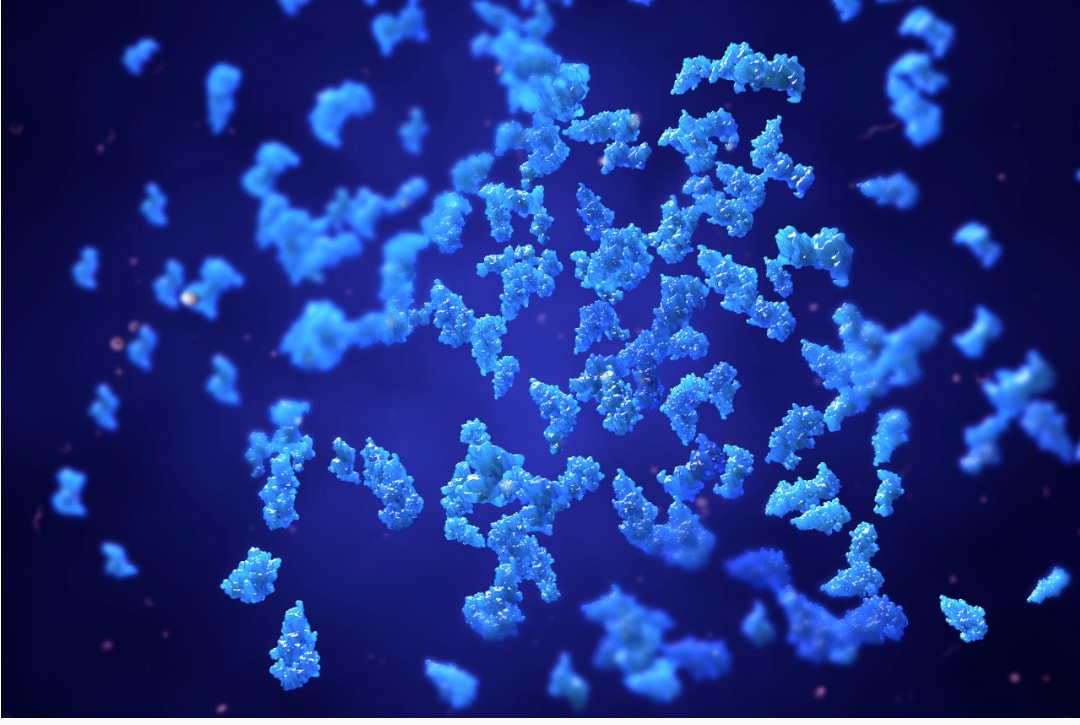
The Role of Enzymes in LC-MS Analysis of Modern Biotherapeutics
Enzymes are nature’s catalysts, enabling precise and efficient biochemical transformations. In analytical workflows, enzymatic digestion is a cornerstone technique for breaking down complex biomolecules into smaller, more manageable fragments. This process is critical for applications such as peptide mapping in protein characterization and oligonucleotide mapping for RNA-based therapeutics.
Traditional digestion methods, while effective, often require long incubation times and manual intervention, creating bottlenecks that slow down development timelines. Waters RapiZyme Enzymes combine high activity and selectivity with streamlined digestion protocols that deliver enhanced speed, reproducibility, and scalability for optical and LC-MS workflows.
Introducing Waters RapiZyme Enzymes: Powering Digestion Workflows
RapiZyme Enzymes are engineered for speed and consistency, enabling digestion workflows that fit modern analytical demands. The catalog includes:
- RapiZyme Trypsin, for rapid and robust protein digestion in support of peptide mapping and proteomic analyses.
- RapiZyme MC1 and Cusativin, endoribonucleases that enable more efficient oligonucleotide mapping (fewer ambiguous products, higher sequence coverage).
- RapiZyme Proteinase K, which thoroughly digests proteins in biomatrices, enabling greater capture and recovery of oligonucleotides and other protein-bound molecules, and supports viral vector genome/payload analyses as well.
Additionally, these enzymes and digestion protocols are easily automated on most automated liquid handling platforms, including the Andrew+ Pipetting Robot from Waters, reducing hands-on time and variability.
Case Studies: Peptide Mapping with RapiZyme Trypsin
For protein characterization, enzymatic digestion breaks down large proteins into peptide fragment for LC-MS analysis. Trypsin is the gold standard for peptide mapping because of its predictable cleavage at lysine and arginine residues, delivering high sequence coverage and reproducibility. However, conventional digestion protocols can take hours and require multiple steps, slowing down biopharmaceutical development.
RapiZyme Trypsin addresses these challenges by delivering:
- Rapid digestion protocols that shorten incubation times from hours to minutes.
- High sequence coverage for monoclonal antibodies and other therapeutic proteins.
- Minimal autolysis ensuring clean and easy-to-analyze chromatograms from homogenously methylated recombinant trypsin.
- Compatibility with LC-MS workflows for streamlined characterization.
These features make RapiZyme Trypsin ideal for high-throughput environments and regulatory-compliant workflows.

Case Studies: Improving Oligonucleotide Mapping with RapiZyme MC1 and Cusativin
For mRNA analysis, endoribonucleases RapiZyme MC1 and RapiZyme Cusativin support efficient digestion of long chain mRNA sequences. These enzymes cleave mRNA at specific sites, generating unique, overlapping products that can be mapped to confirm the sequence as well as the location of any nucleotide modifications with confidence. As mRNA-based therapeutics gain traction, robust digestion strategies remain essential for quality control and regulatory compliance.
Mapping the sequence of mRNA requires precise cleavage and strong signal. RapiZyme MC1 and Cusativin provide:
- Novel and specific endoribonuclease activity for mRNA digestion.
- Improved signal intensity with unique phosphate products.
- Consistent cleavage and digestion reproducibility for sequence confirmation.
- Automation-ready protocols on platforms like Andrew+ Pipetting Robot.
- Pair with IonHance Hexafluoroisopropanol (HFIP) (available in 10 mL and 100 mL) mobile phase additive for a 2x decrease in unwanted sodium and potassium adducts

Case Studies: Reliable Sample Preparation with RapiZyme Proteinase K
Therapeutic oligonucleotides often reside in complex biological matrices such as liver or brain tissue, making extraction and analysis challenging. Proteinase K is widely used for its ability to degrade proteins and free-up bound oligonucleotides for more efficient extraction, but traditional protocols are often time-consuming and inconsistent.
RapiZyme Proteinase K offers:
- Efficient digestion of proteins in tissue samples for improved oligonucleotide recovery.
- Compatibility with SPE microplate kits for streamlined workflows.
- Enhanced reproducibility for bioanalytical extraction of oligonucleotide therapeutics (siRNA, ASOs, et.al.), including lipid-conjugated ASOs.
In a recent application note, the OligoWorks SPE Microplate Kit with the RapiZyme Proteinase K digestion module achieved highly reproducible analyte recoveries of ≥80% for GEM91 and GEM132 oligonucleotides–demonstrating the protocol’s practicality and scalability for bioanalytical laboratories to meet the growing demands of oligonucleotide therapeutic development.
By integrating RapiZyme Proteinase K into your workflow, you achieve faster, more reliable sample preparation for oligonucleotide bioanalysis.
Why Speed Matters with Enzymatic Digestion
Accelerating digestion workflows translates into:
- Faster development timelines for biopharmaceuticals.
- Higher throughput in QC and characterization labs.
- Reduced variability through automation and optimized protocols.
Waters developed the RapiZyme Enzyme portfolio to simplify enzymatic digestion workflows, delivering speed, reproducibility, and automation-ready solutions for protein and RNA analysis. But this marks just the beginning. As researchers adopt these enzymes and explore new applications, the possibilities for accelerating biopharmaceutical development continue to expand, with a focus on reducing complexity.
Whether you’re performing peptide mapping for monoclonal antibodies or oligonucleotide mapping for mRNA-based therapeutics, RapiZyme Enzymes offer a fast, reliable, and reproducible way to achieve high-quality results. They’re not just reagents; they represent a new standard for efficiency in analytical workflows.
Ready to explore what’s possible with RapiZyme Enzymes? Take a deeper dive with these resources:
Related posts
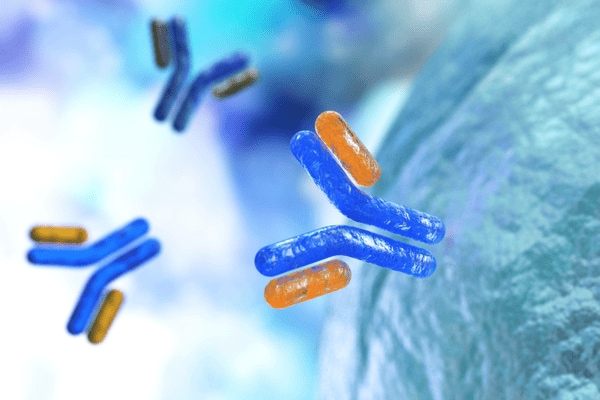
Unlocking Faster, More Confident Antibody Analytics with Modern Protein A Affinity Chromatography
Biologics developers today face unprecedented pressure: tighter timelines, increasingly complex antibody formats, and a growing need for real-time process understanding. Yet many analytical workflows still rely on methods that can’t deliver the speed, sensitivity, or depth required for modern bioprocessing. That’s where advances in Protein A (ProA) affinity chromatography are making a meaningful difference, reshaping…

Why More Laboratories are Choosing Empower Subscription Bundles
For more than three decades, Waters Empower Chromatography Data System (CDS) has been the trusted foundation for chromatography data management. Empower Software enables laboratories to address regulatory requirements, deliver consistent results, and scale operations. But the pace of change in today’s scientific world is unprecedented- unlike anything labs have experienced before. Global supply chains, the…
FDA October 2025 Draft Guidance Sparks Industry Biosimilars Buzz
The FDA’s October 29, 2025 draft guidance has generated significant attention due to the implications for both developers and patients. By allowing developers to bypass comparative efficacy studies (CES) when advanced analytics are successful substitutes, the draft guidance avoids one of the most expensive steps, estimated to account for 70% of the total biosimilar development…
Popular Topics
ACQUITY QDa (17) bioanalysis (12) biologics (17) biopharma (49) biopharmaceutical (58) biotherapeutics (21) case study (18) chromatography (14) compliance (12) data integrity (23) food analysis (12) HPLC (15) LC-MS (26) liquid chromatography (LC) (24) mass detection (16) mass spectrometry (MS) (58) method development (13) particle analysis (19)