AEX is a foundational technique for separating gene therapeutics, including antisense oligonucleotides, siRNA, CRISPR single guide RNA (sgRNA), ribonucleoprotein complexes, mRNA, DNA plasmids, and viral capsids. The mechanism of anion exchange is based on electrostatic interactions between negatively charged analytes and the positively charged stationary phase. The more strongly negative a biomolecule, the more tightly it adsorbs to the column’s resin. Analytes separate and elute based on charge density as the ionic strength or pH of the mobile phase changes.
Ensure optimum conditions for your analysis by choosing the best Waters AEX column and standard for your workflow.
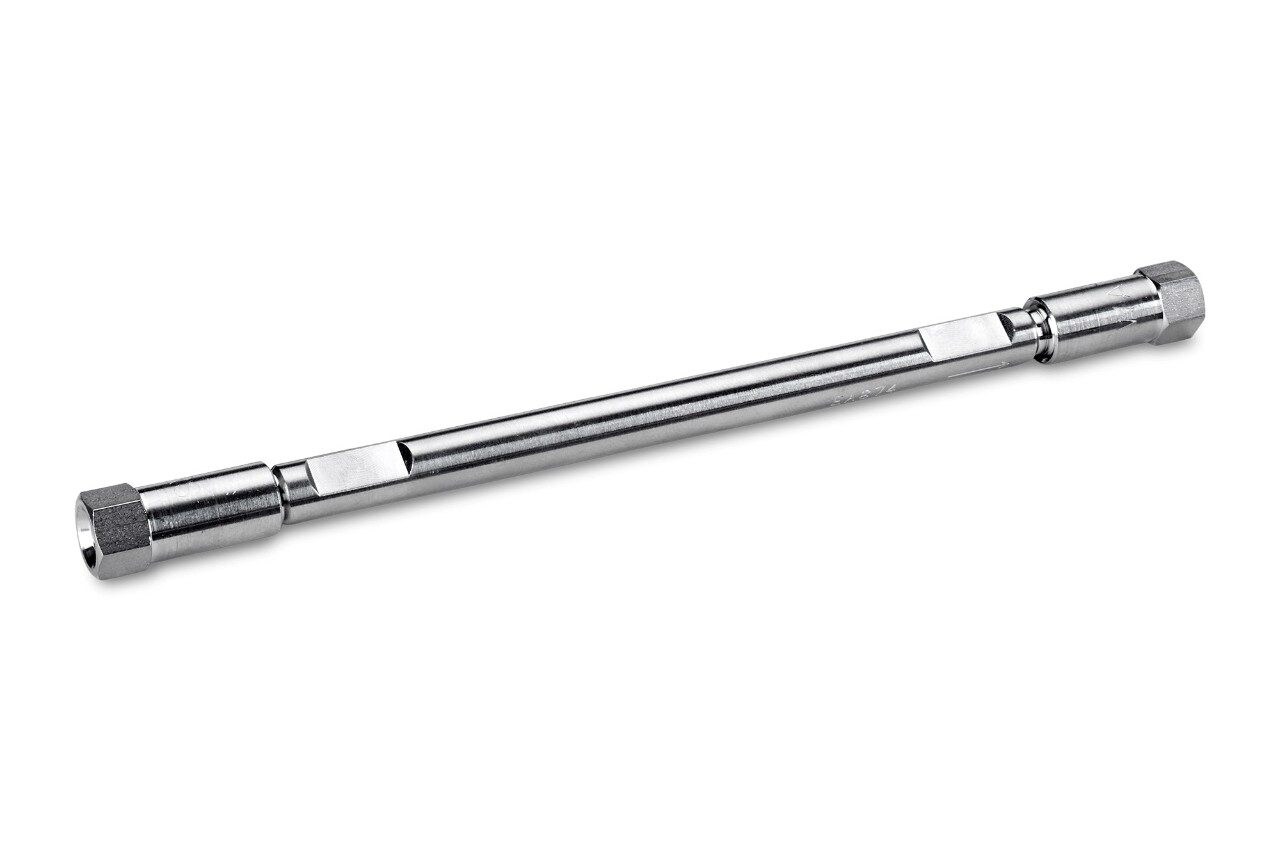
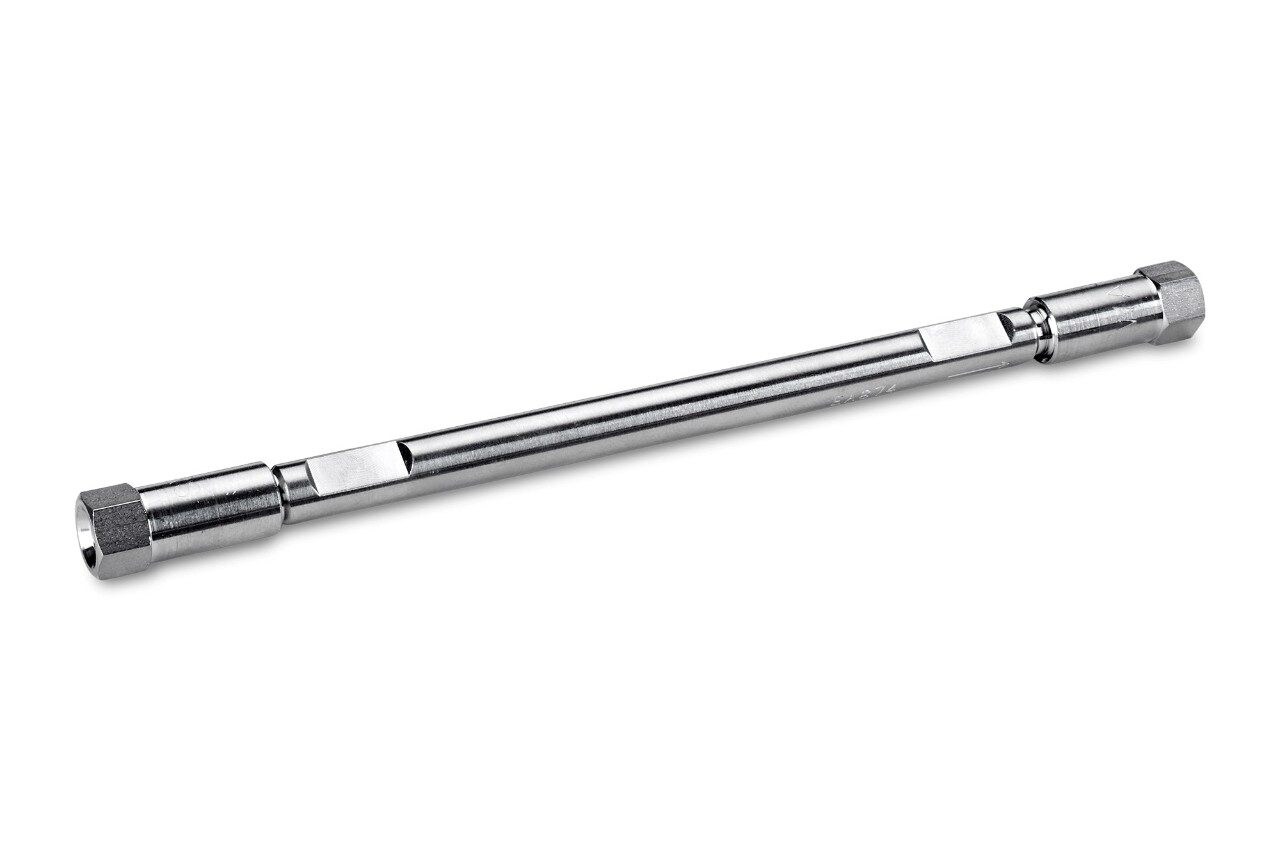
Waters Gen-Pak FAX (4.6 x 100 mm) columns offer the highest resolution available in anion-exchange HPLC of nucleic acids. The Gen-Pak FAX column contains a weak anion exchanger based on DEAE functionalized non-porous resin. It contains 2.5 µm particles and is well-suited for analytical and micro-preparative applications.
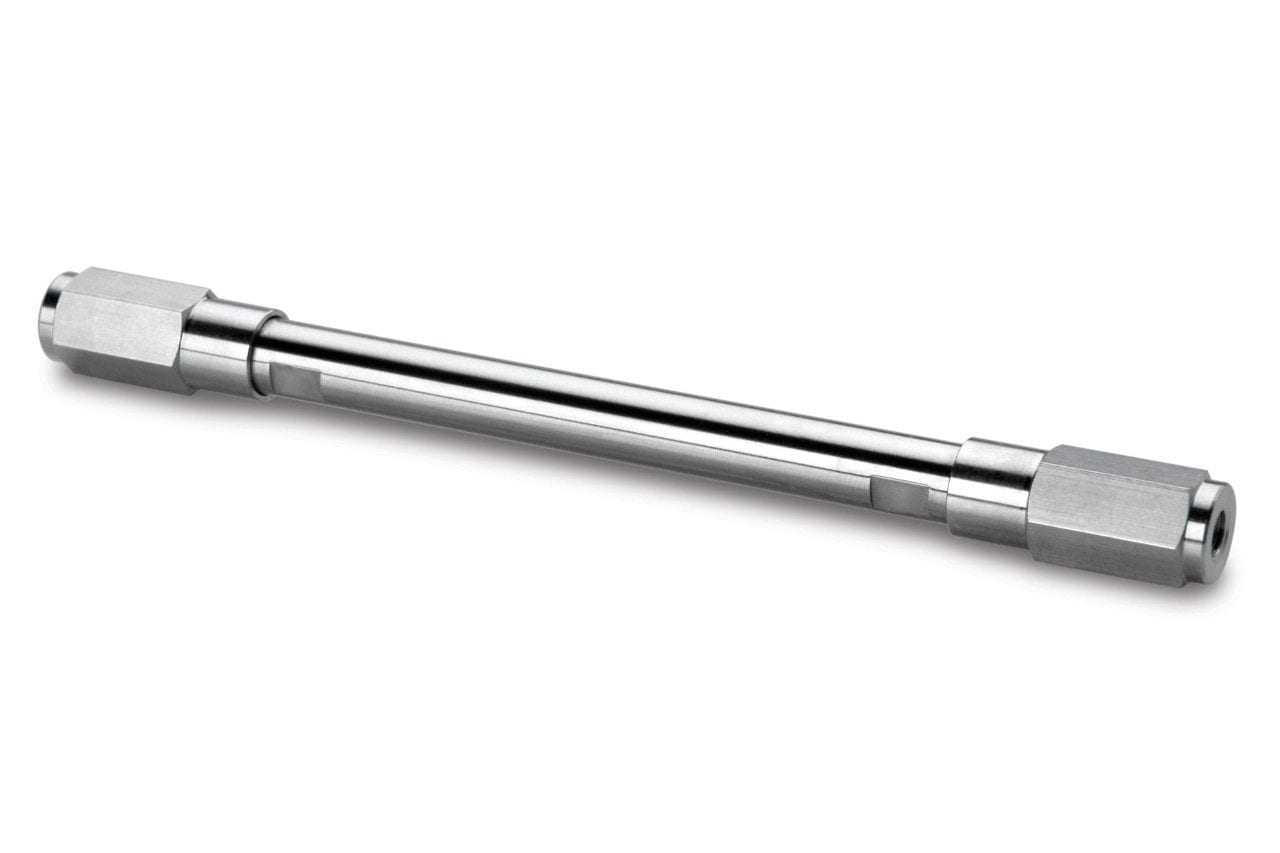
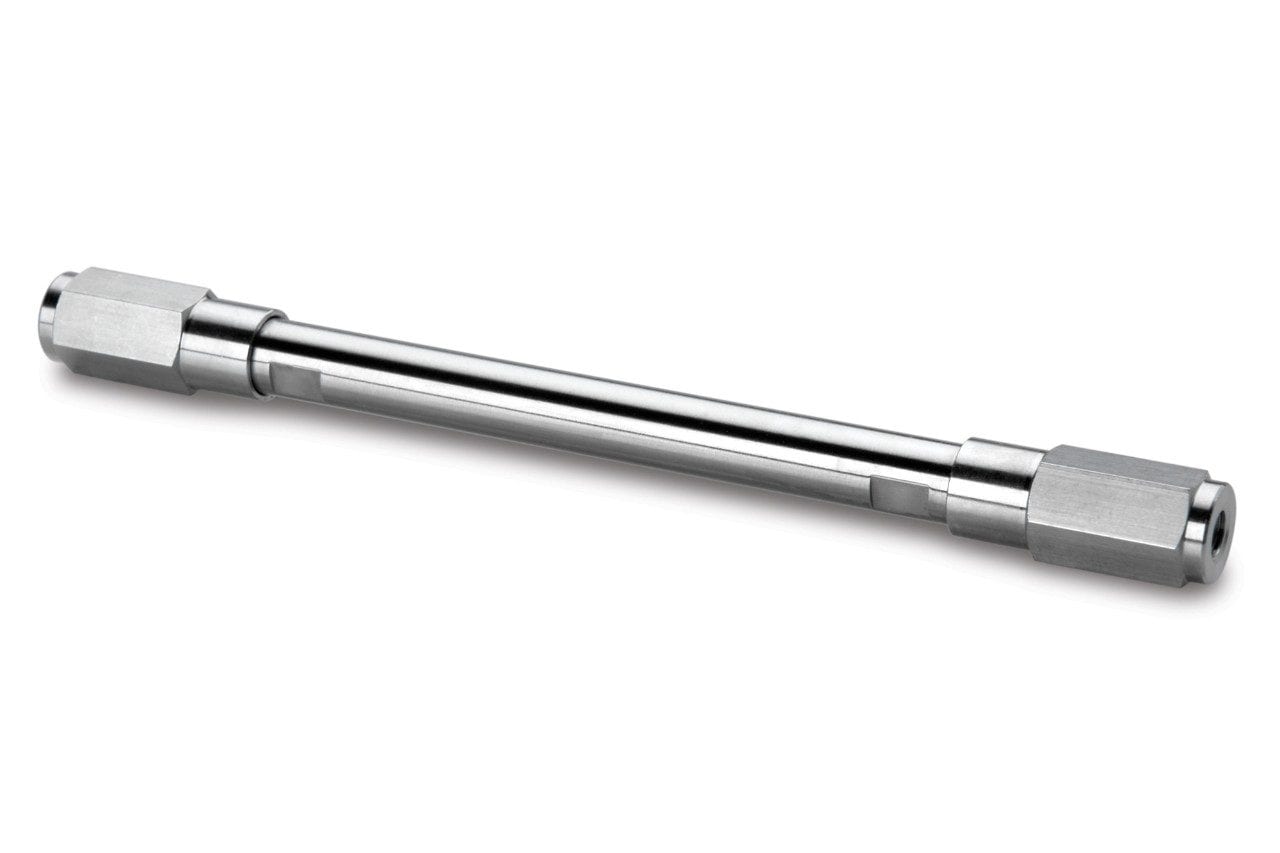
Waters Protein-Pak Hi Res Q (4.6 x 100 mm) Ion-Exchange (IEX) column assists in the characterization of recombinant proteins, monoclonal antibodies, and other biological compounds. The non-porous, high compound binding capacity of these particles yields outstanding resolution of charged species in less time compared to use of many traditional porous IEX offerings.
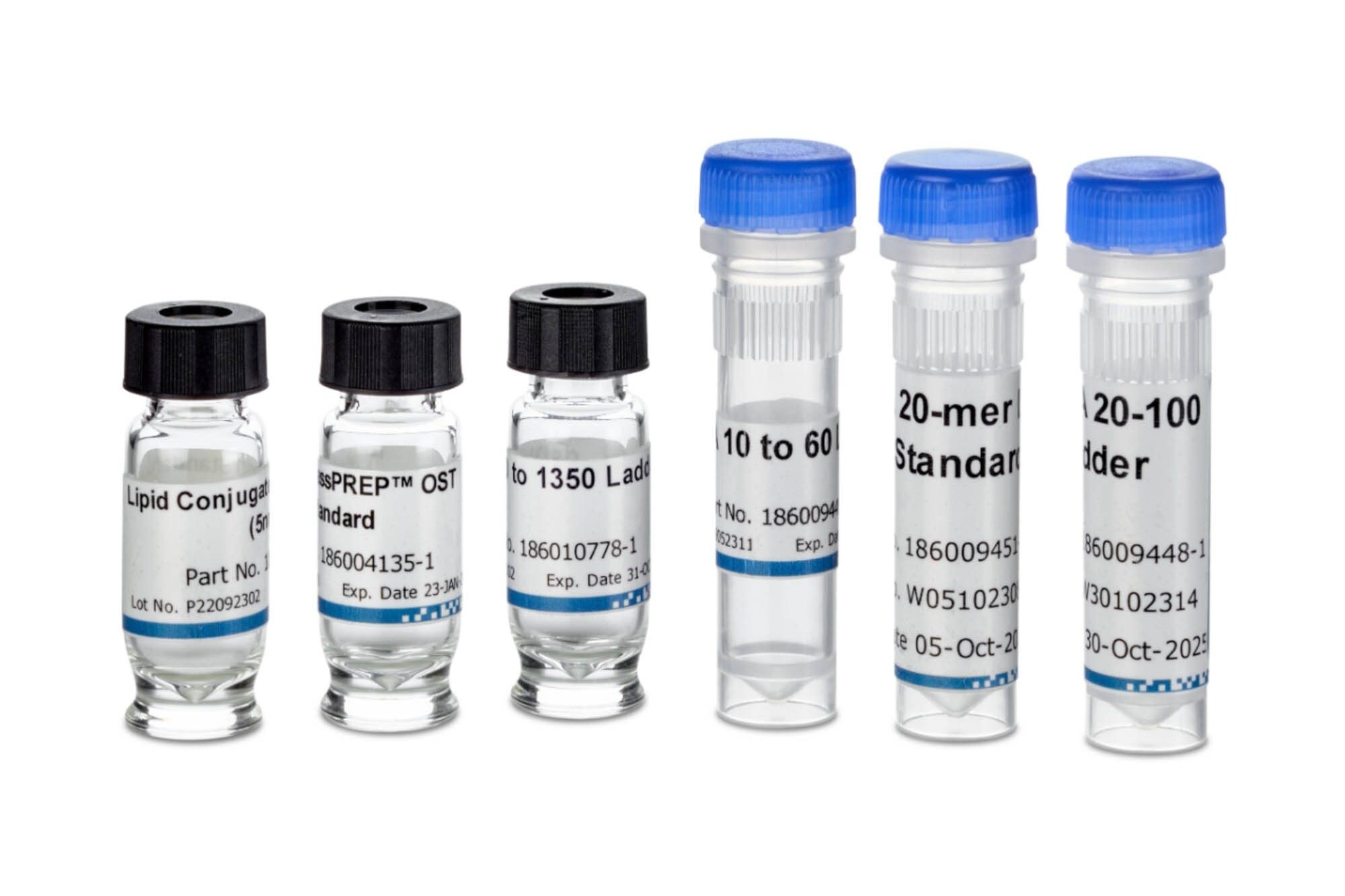
AEX methods are a powerful tool for characterization and confirming the quality of gene therapeutics. Having quality reference materials on hand that are chemically similar to your analytes can help speed up method development and provide a certified reference for future assays.
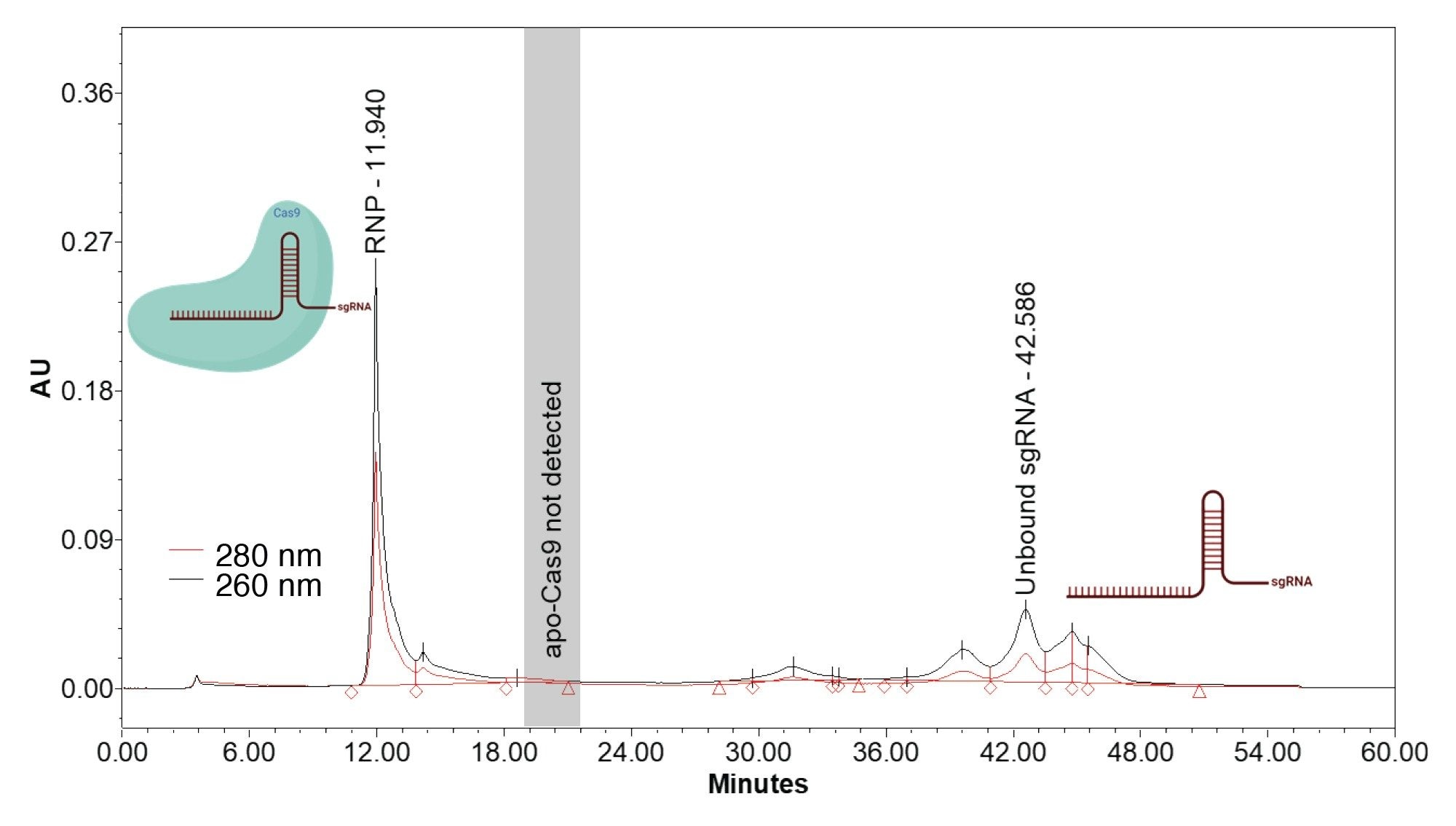
sgRNA was observed to be present in slight excess following complex formation with Cas9 protein. Complexation was monitored at both 260 (black) and 280 nm (red).
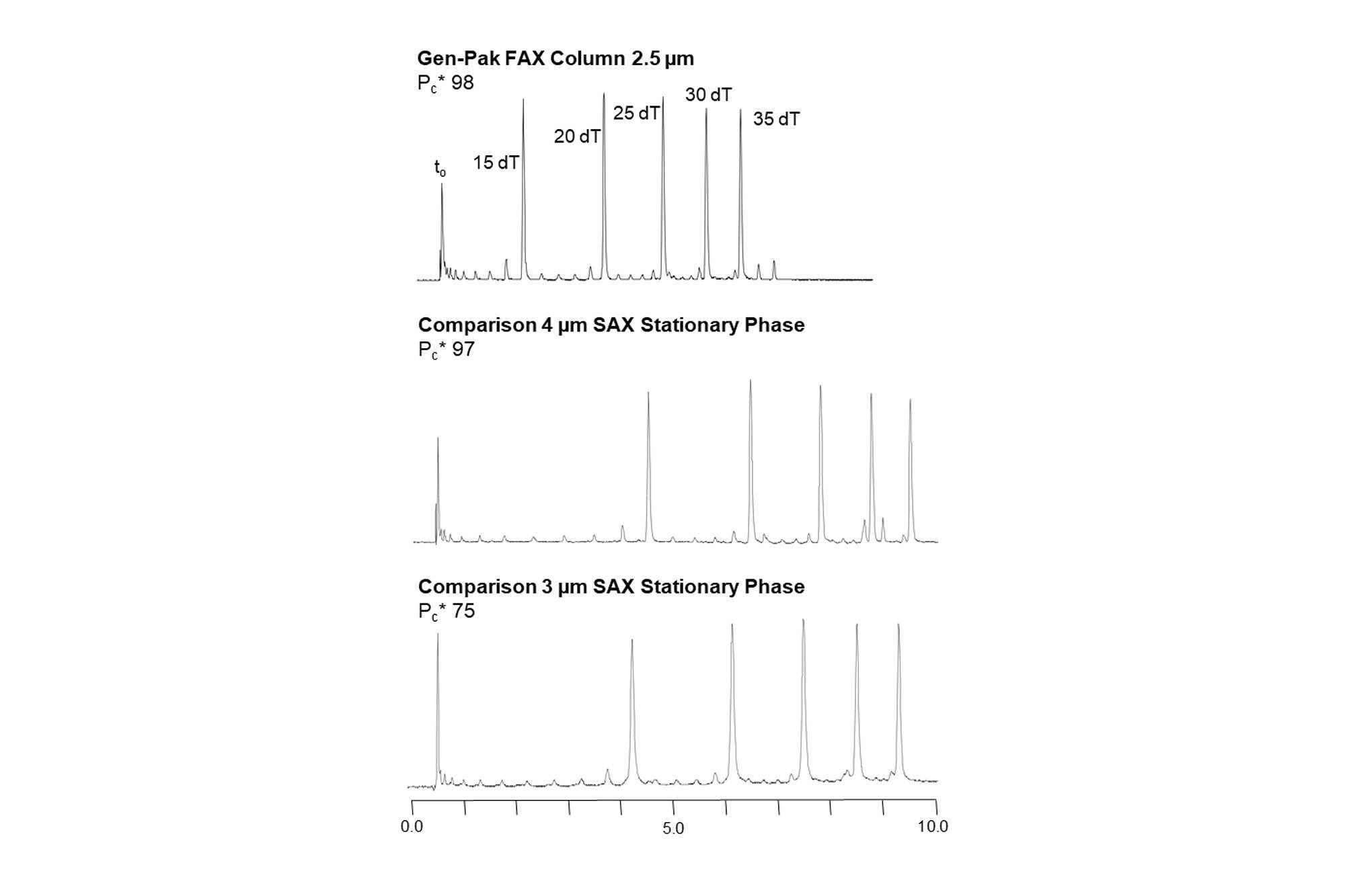
UV chromatograms (260 nm) obtained for an oligo dT ladder using various AEX columns. Salt gradient separations were performed at 30 ˚C with a 0.72 mL/min flow rate, 20 mM Tris pH 8 buffer mobile phase, and a 10 minute gradient running from 300 to 600 mM NaCl.
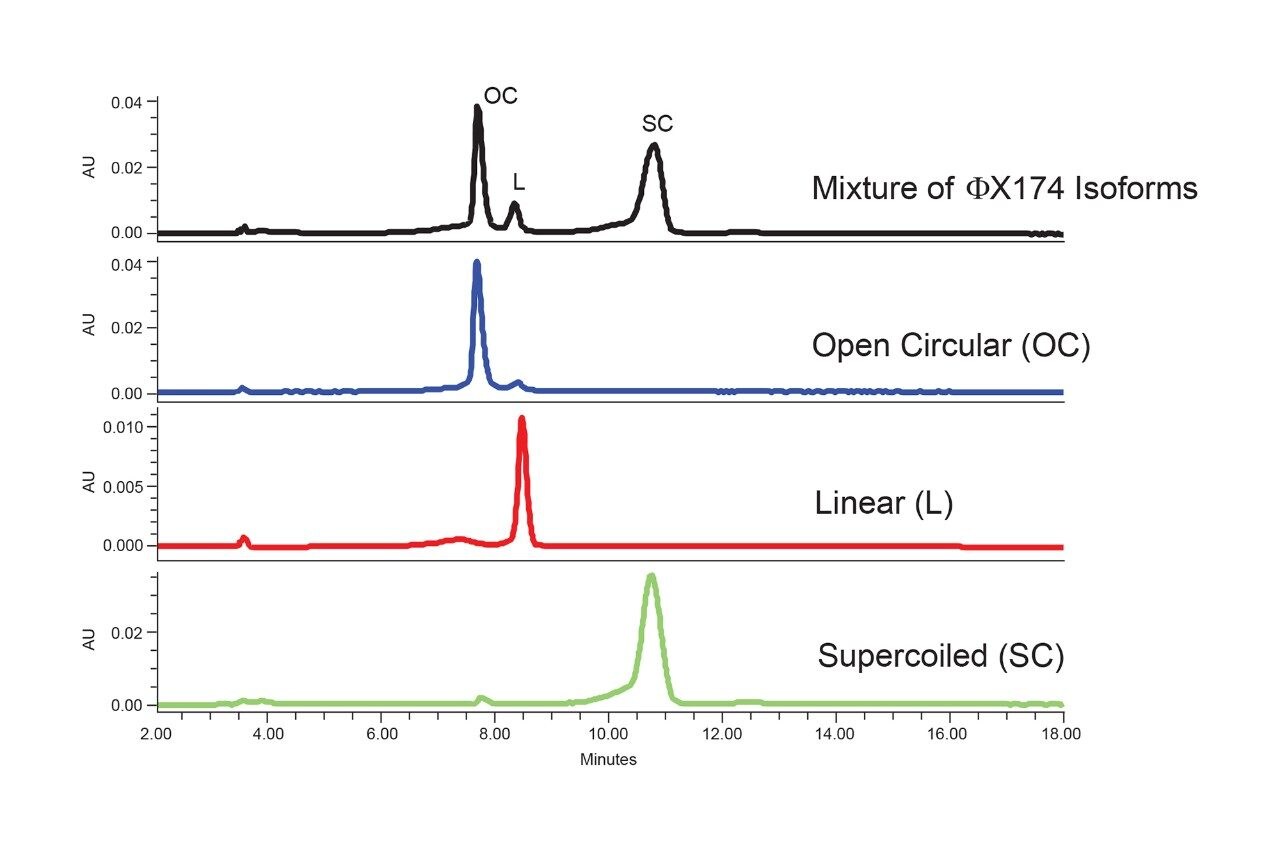
ΦX174 plasmid isoform (L, O, SC) separation on a Waters Protein-Pak Hi Res Q column. 20 mM Tris pH 7.4, 1.69–1.75 M tetramethylammonium chloride in 10 min. Flow rate: 0.4 mL/min.
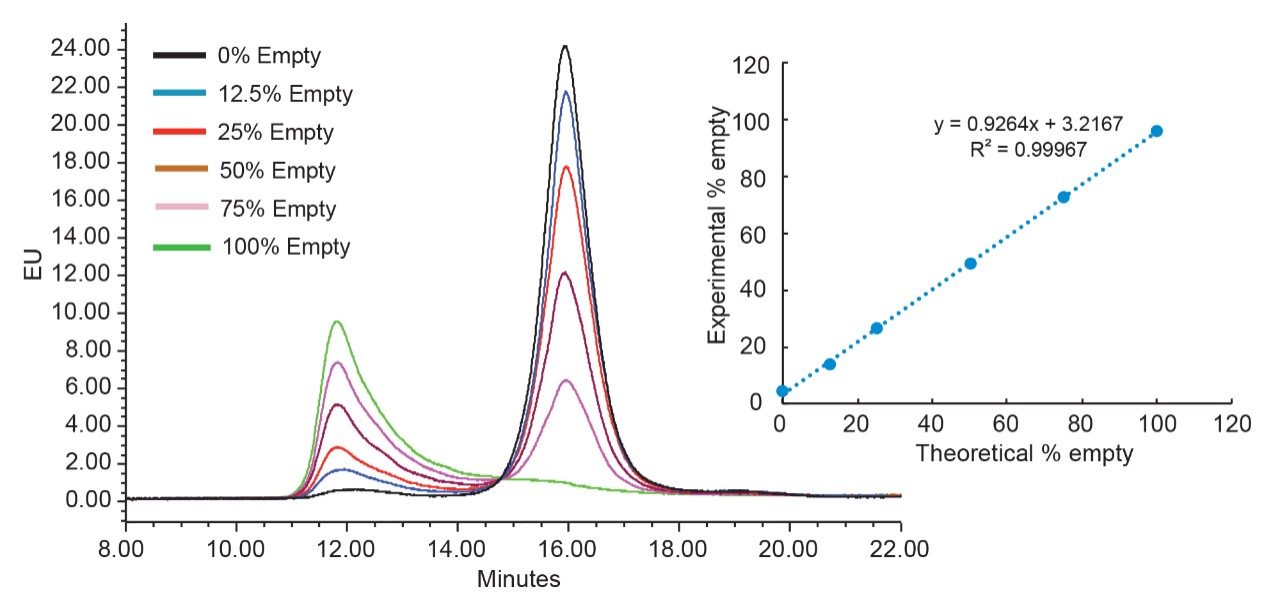
Quantification of % empty capsid in various empty and full capsid mix using the optimized AEX method.
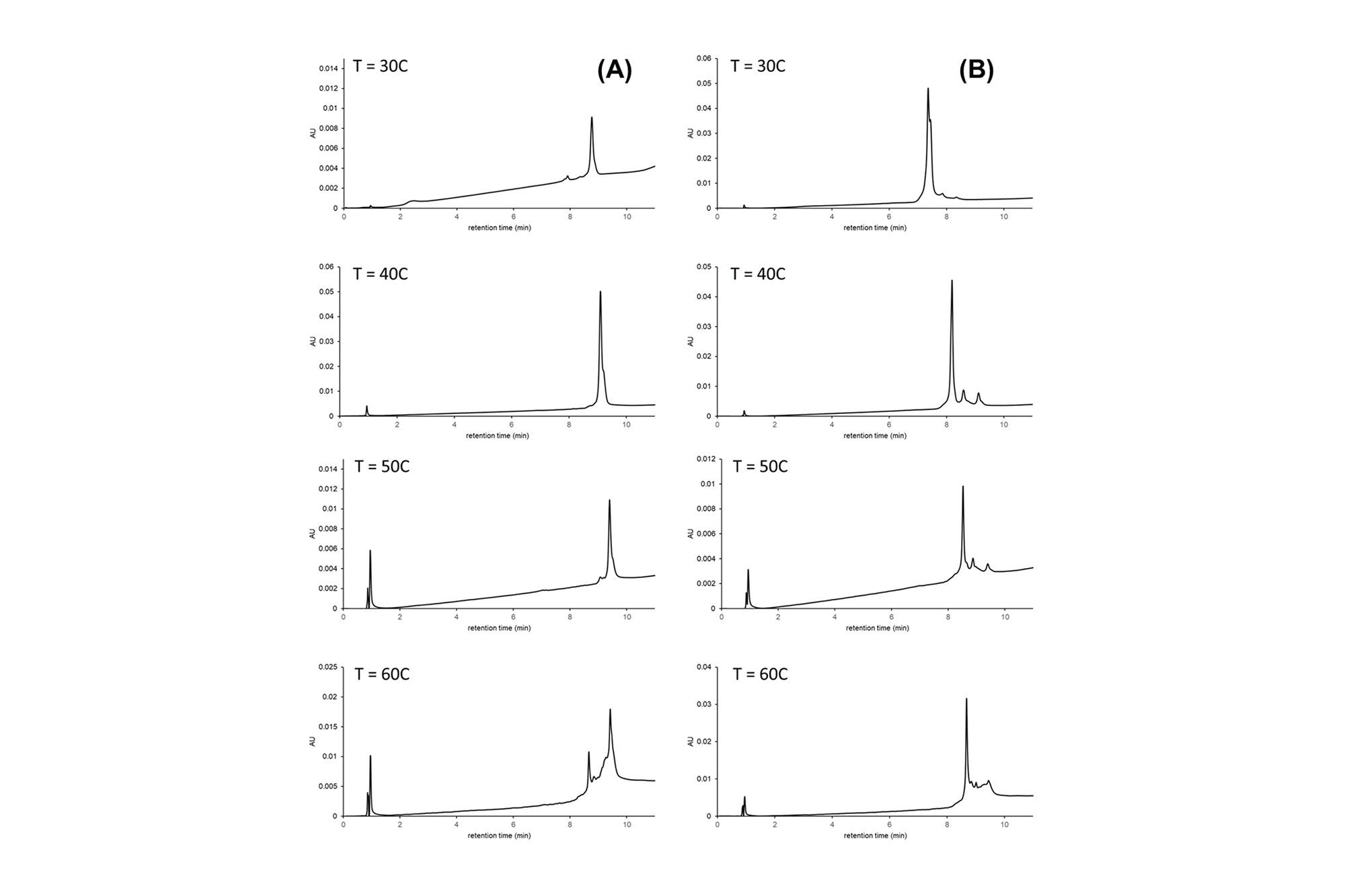
Ion exchange separations of Cas9 mRNA (A) and EPO mRNA (B) using an AEX column, a Tris buffered mobile phase, and sodium chloride gradient combined with a series of different column temperatures ranging from 30 to 60 °C.
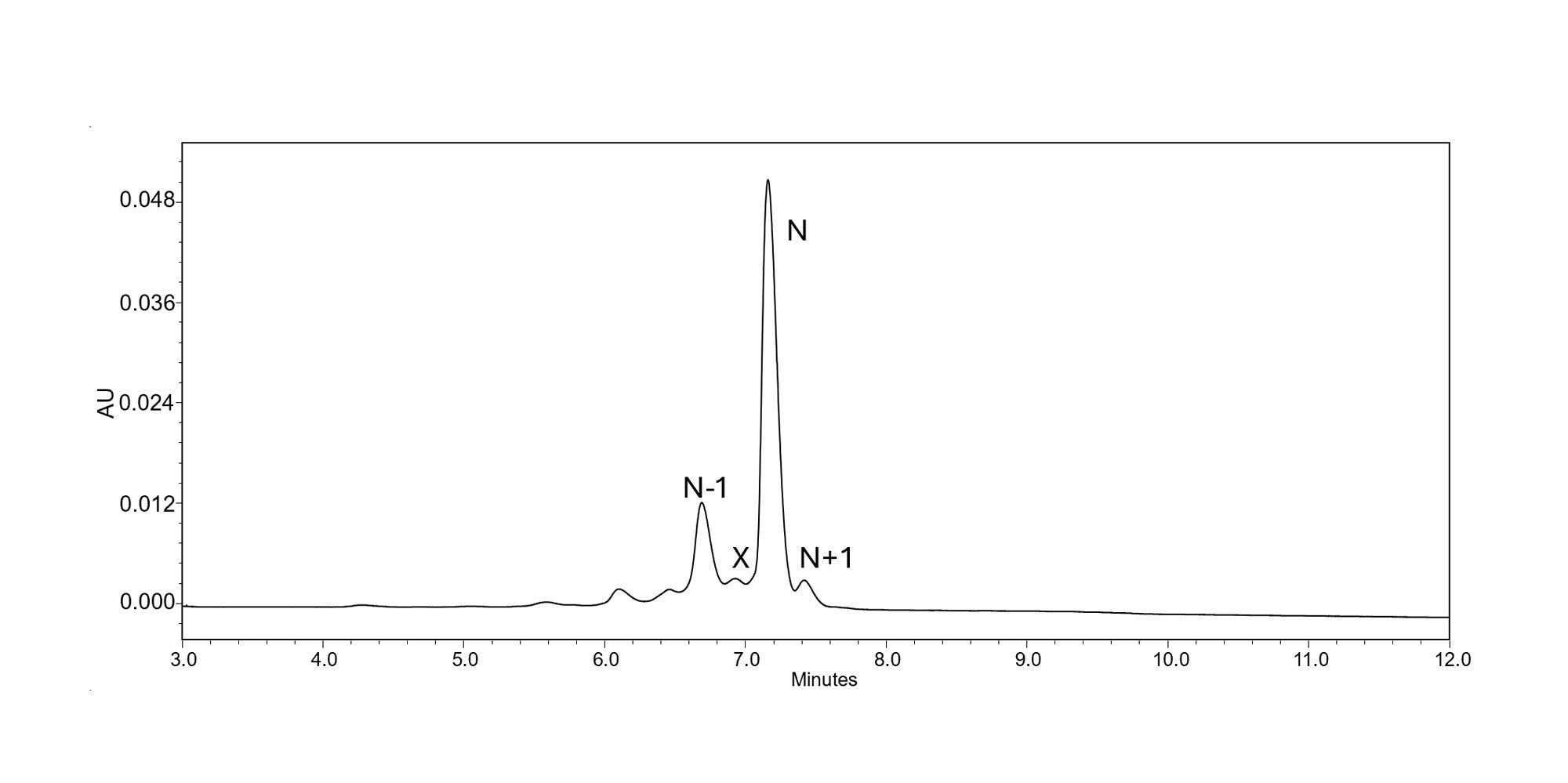
Separation of an 18-mer oligonucleotide on the Gen-Pak FAX (WAT015490) highlighting efficient separation of N-1, N+1, and suspected deaminated impurities (X) with an optimized high organic method. Nercessian, L., et al. (2024). Robustness evaluation of weak anion exchange chromatography method for the purity analysis of therapeutic oligonucleotides. Journal of Chromatography A, 1736, 465412.