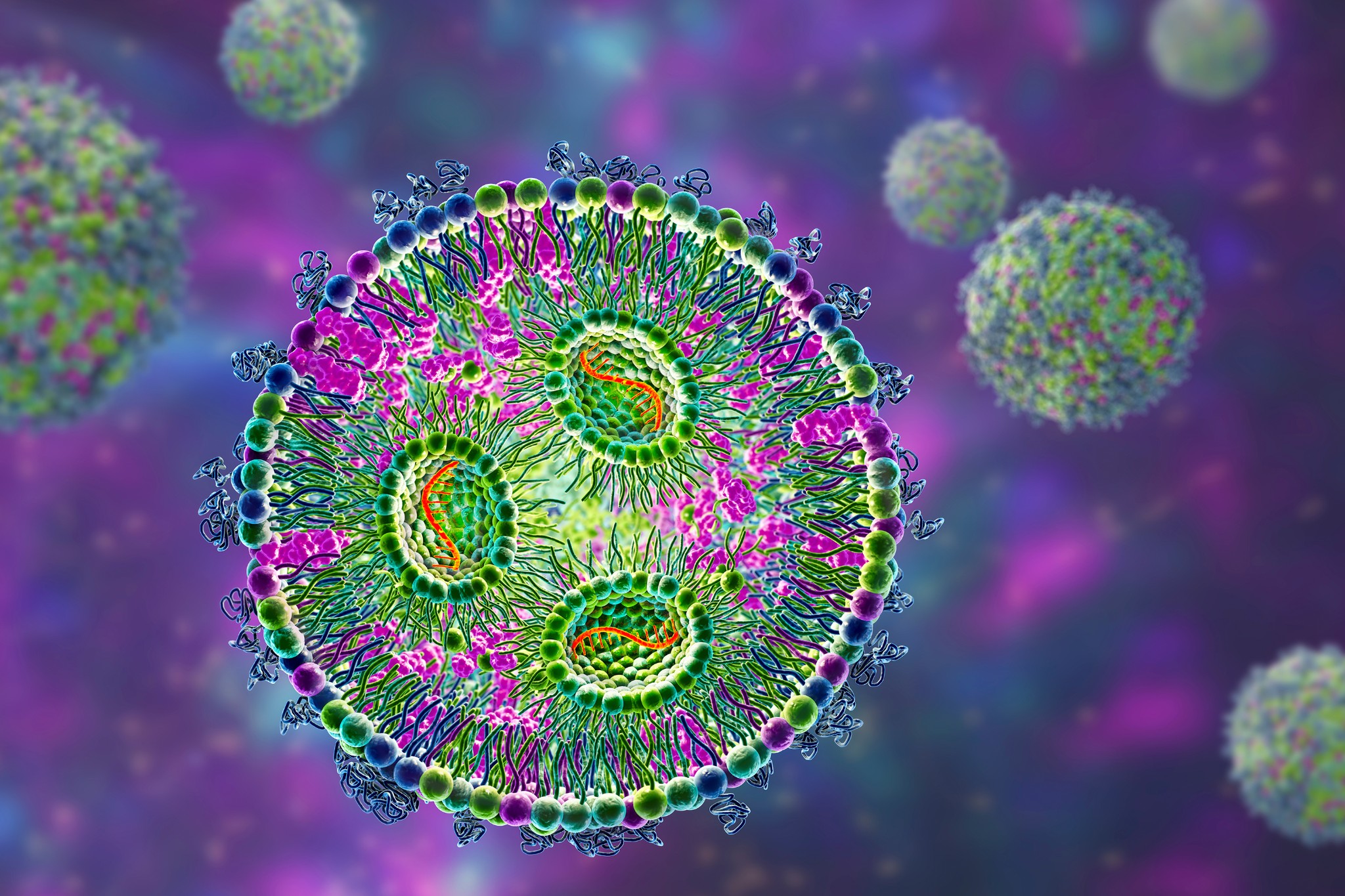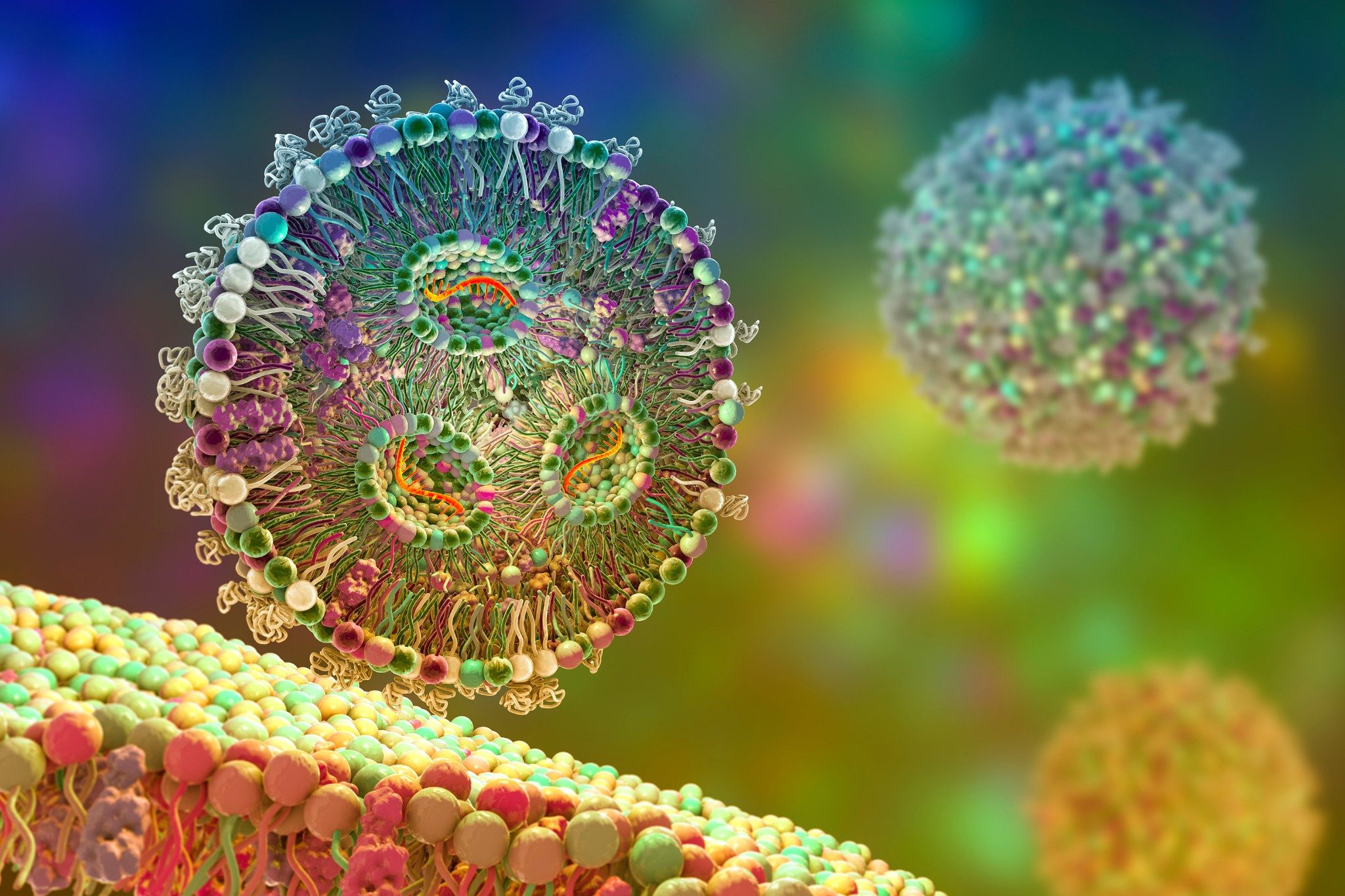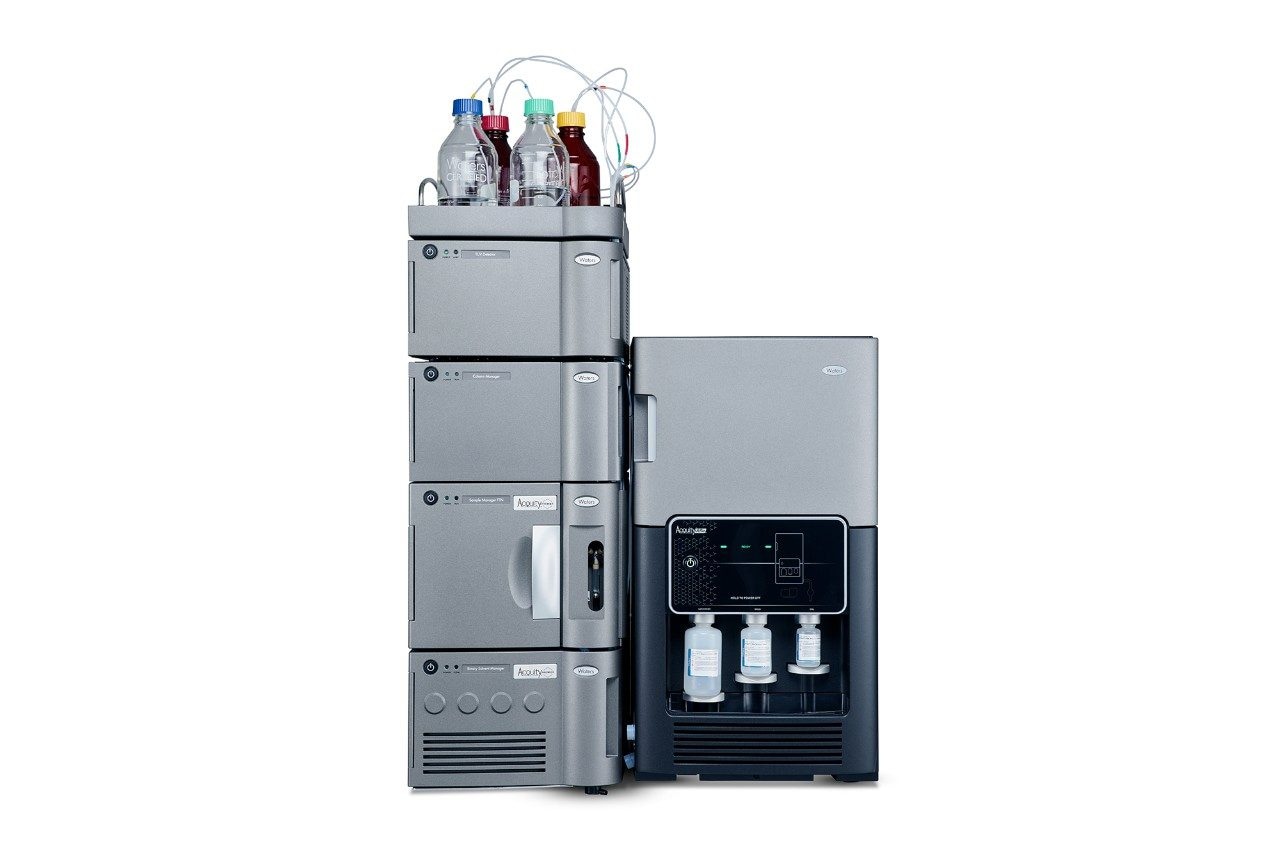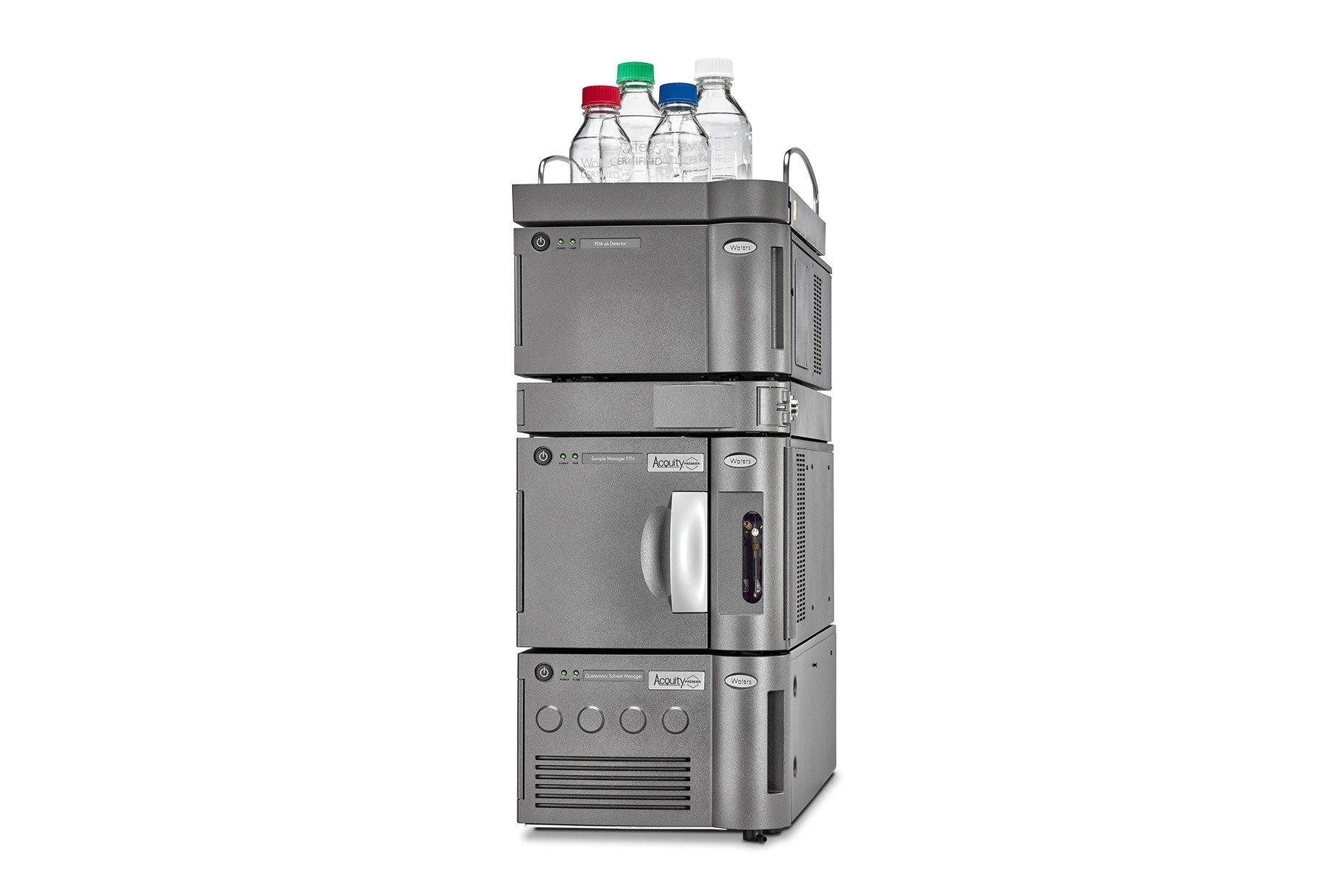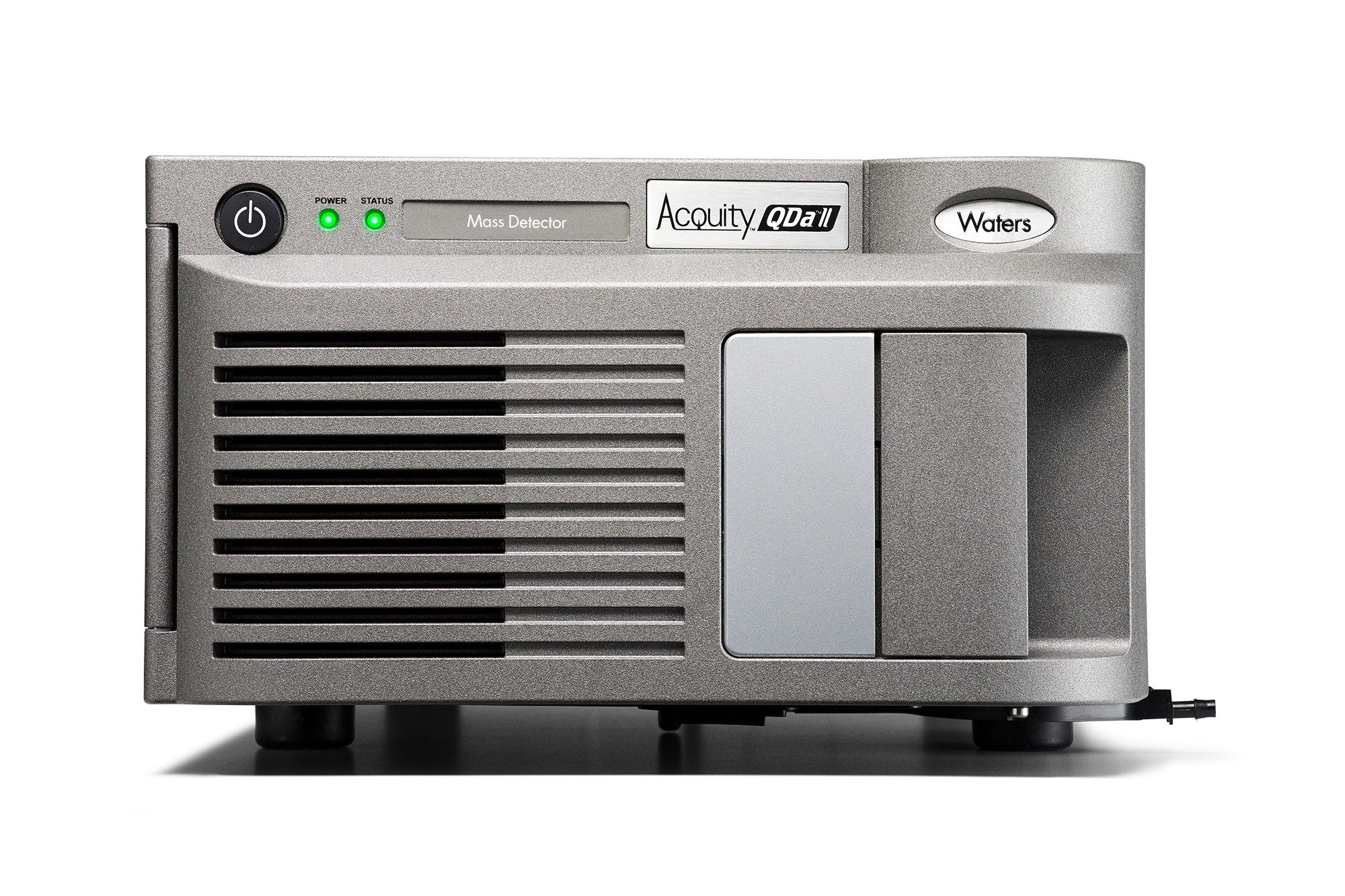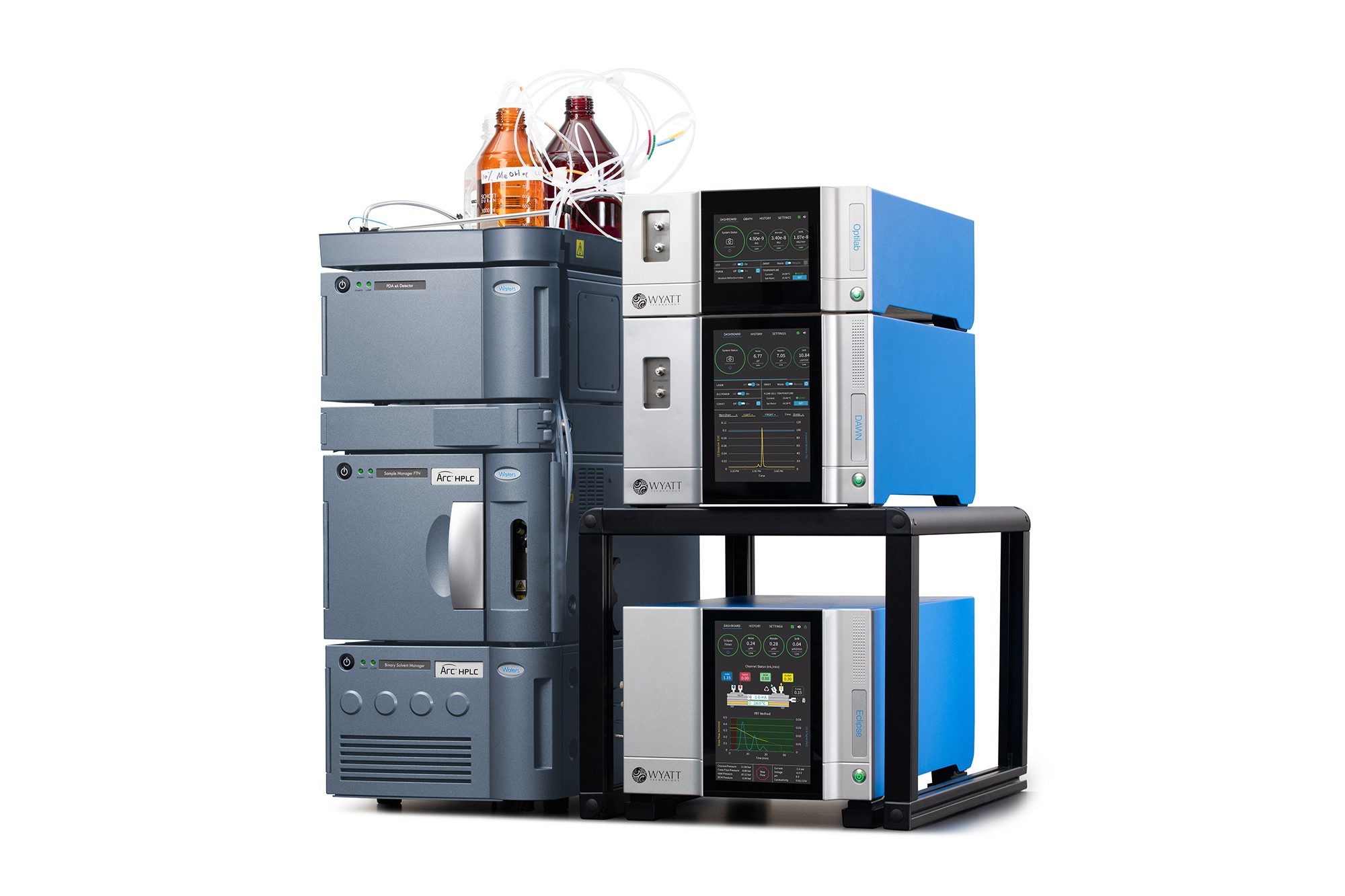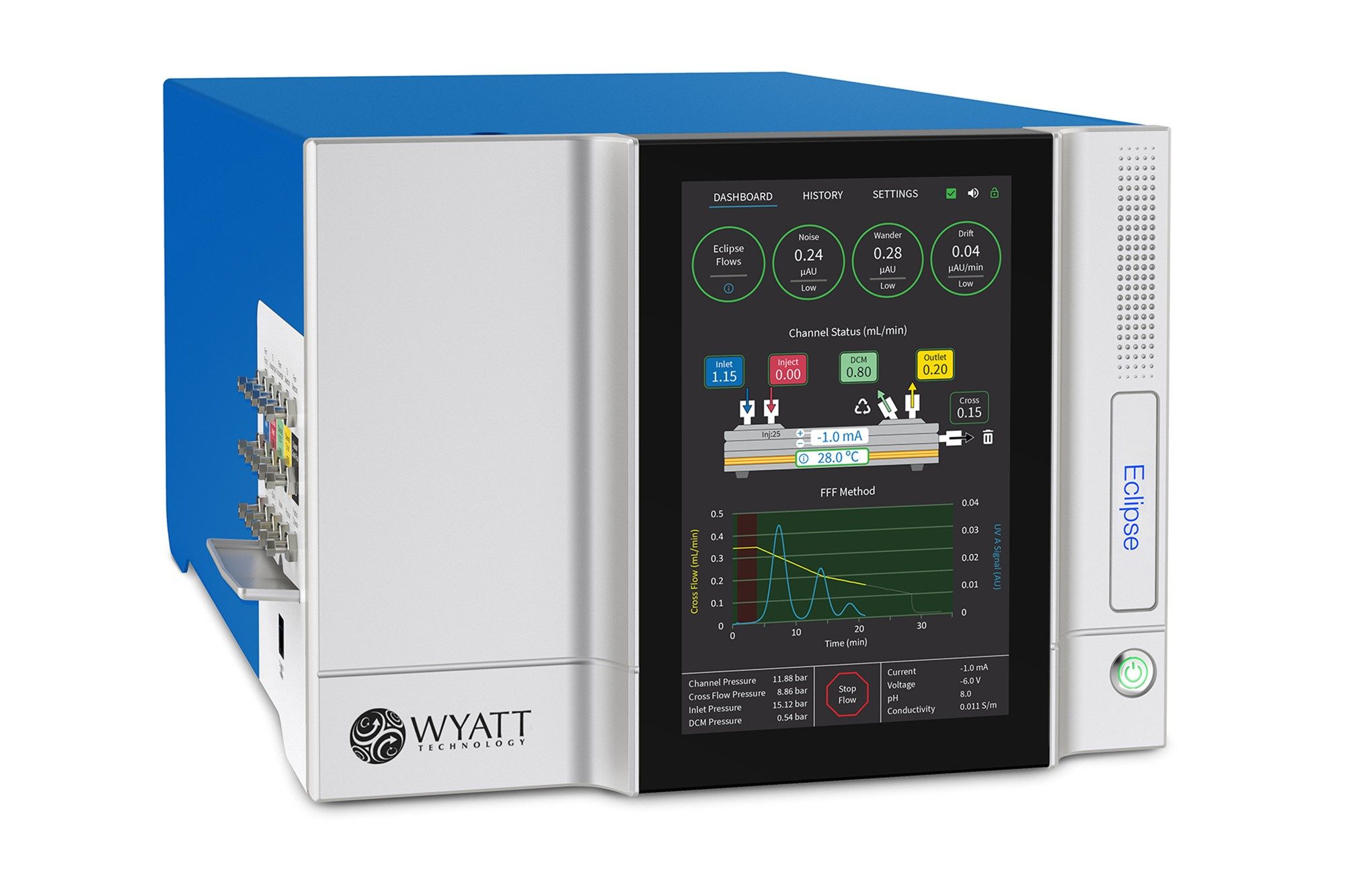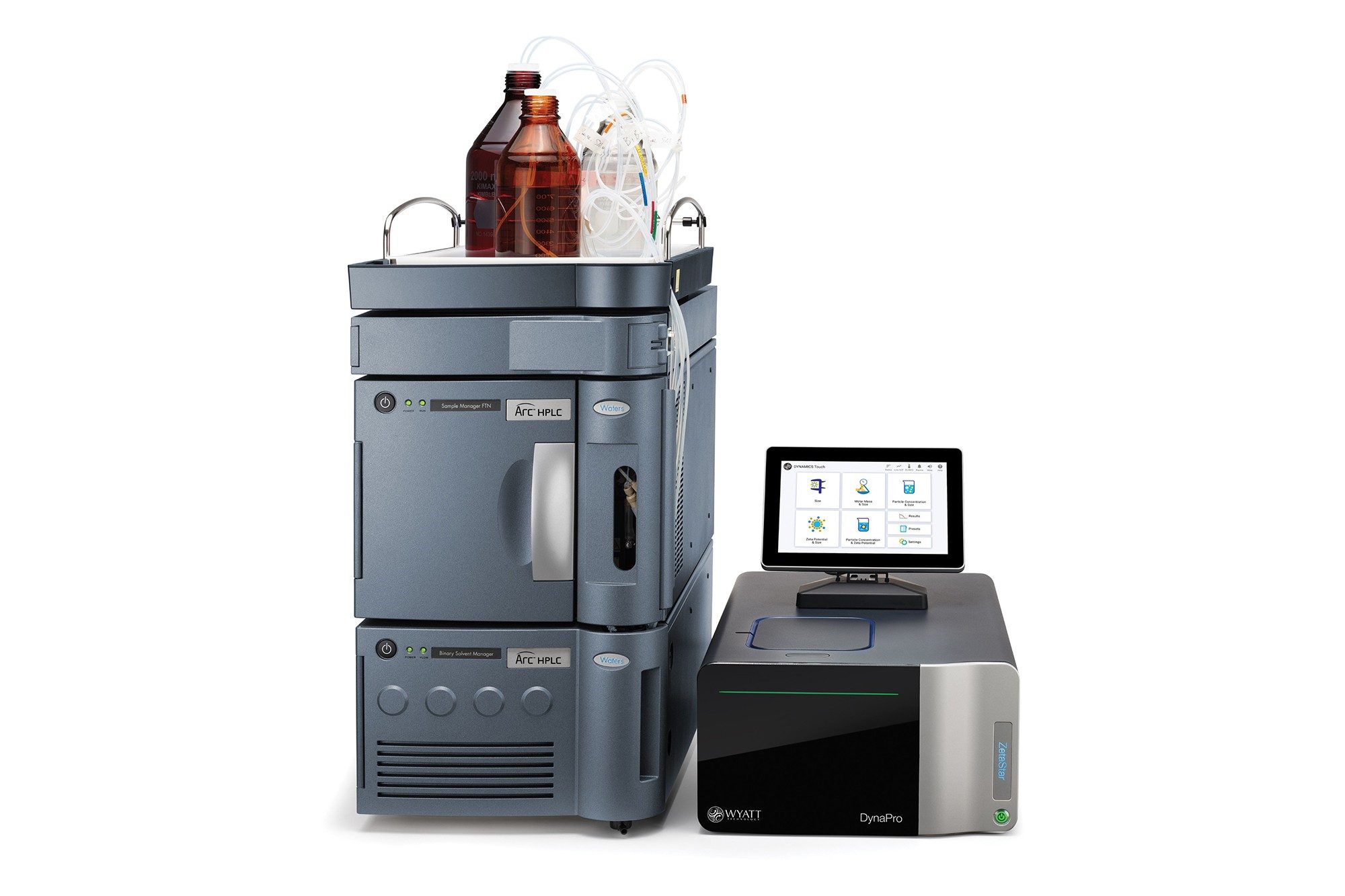
Lipid nanoparticles (LNPs) are used to encapsulate and deliver nucleic acid, protein, and small molecule drugs into targeted cells. The Waters integrated LNP solutions provide a robust suite of LC, LC-MS, DLS, and microcalorimetry tools to ensure accurate compositional and size analysis for every lipid nanoparticle system. From early discovery through process development and QC, these workflows empower researchers to confidently characterize LNP formulations and lipid nanoparticles with precision, efficiency, and reproducibility.
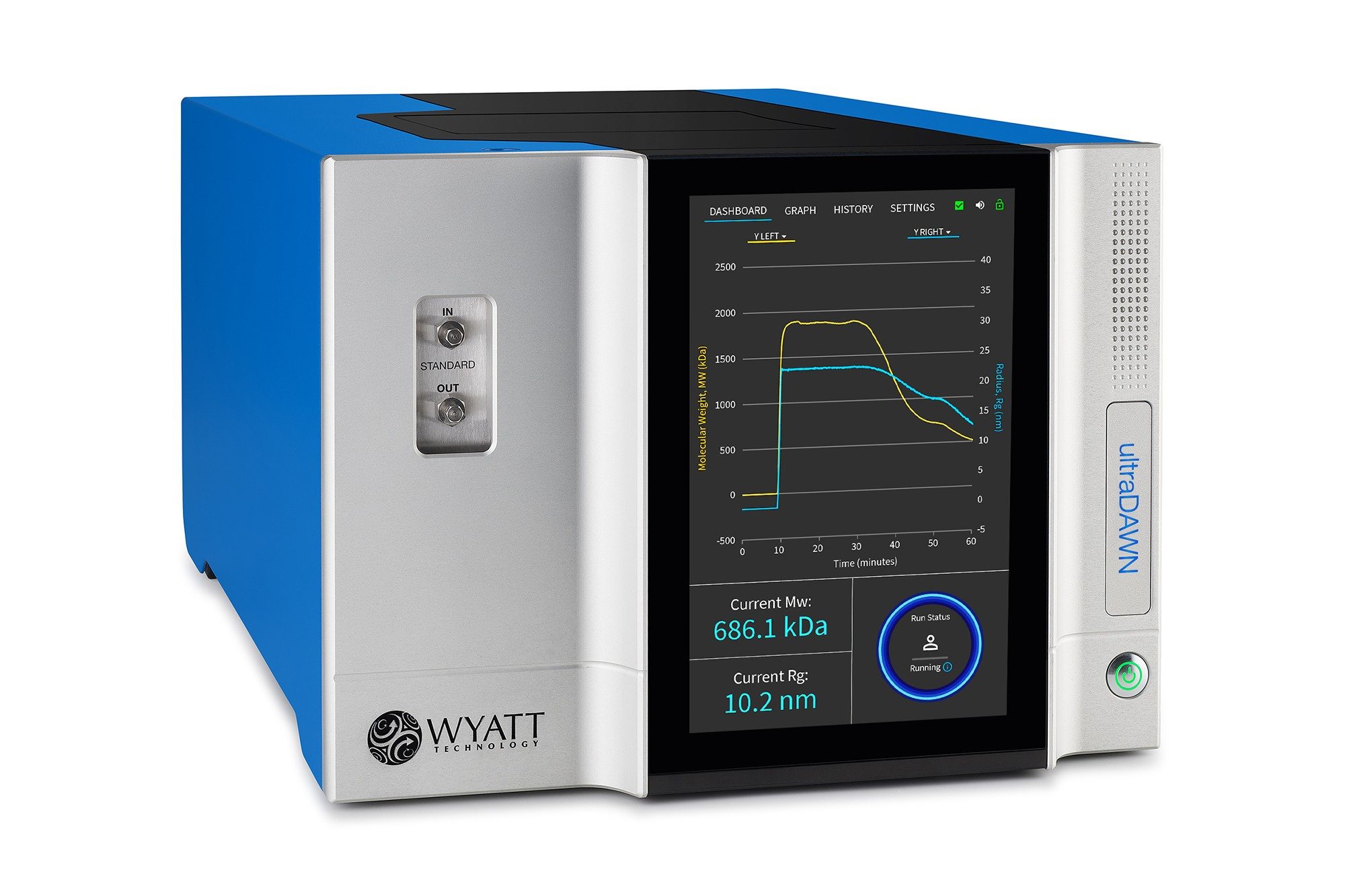
Easily implement continuous size monitoring during batch production with the ultraDAWN real-time MALS instrument to streamline process development and ensure consistent batch-to-batch quality.
Analysis of the ionizable lipid Dlin-MC3-DMA using A) ELS and B) MS detection is shown.
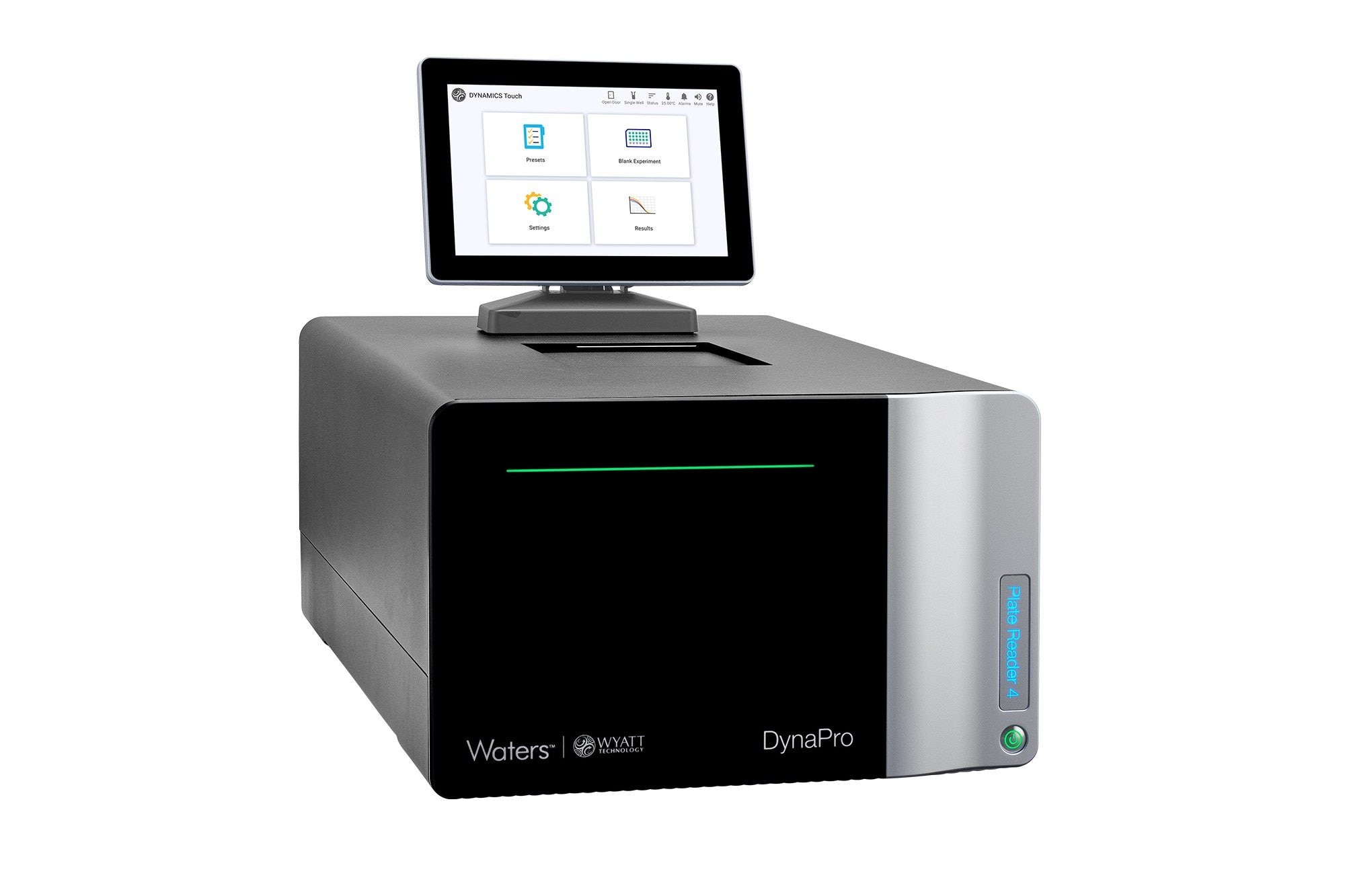
Waters high-throughput DLS/SLS instrument provides size and polydispersity measurements in less than one minute per sample using standard microwell plates—reducing operating costs and enhancing supply chain robustness.
FFF-MALS not only quantifies the average quality attributes of an LNP-mRNA sample but also provides high-resolution insights into its lipid and mRNA subcomponents, showing how these are distributed across the particles within the sample, all in a single experiment.
Size, size distribution, and concentration of empty LNP prepared via microfluidic-mixing (S1), LNP with mRNA prepared via microfluidic-mixing (S2), LNP with mRNA prepared via hand-mixing (S3).
High-Throughput Quantification and Characterization of Dual Payload mRNA/LNP Cargo via Deformulating Size Exclusion and Ion Pairing Reversed Phase Assays DOI:10.1021/acs.analchem.4c06296
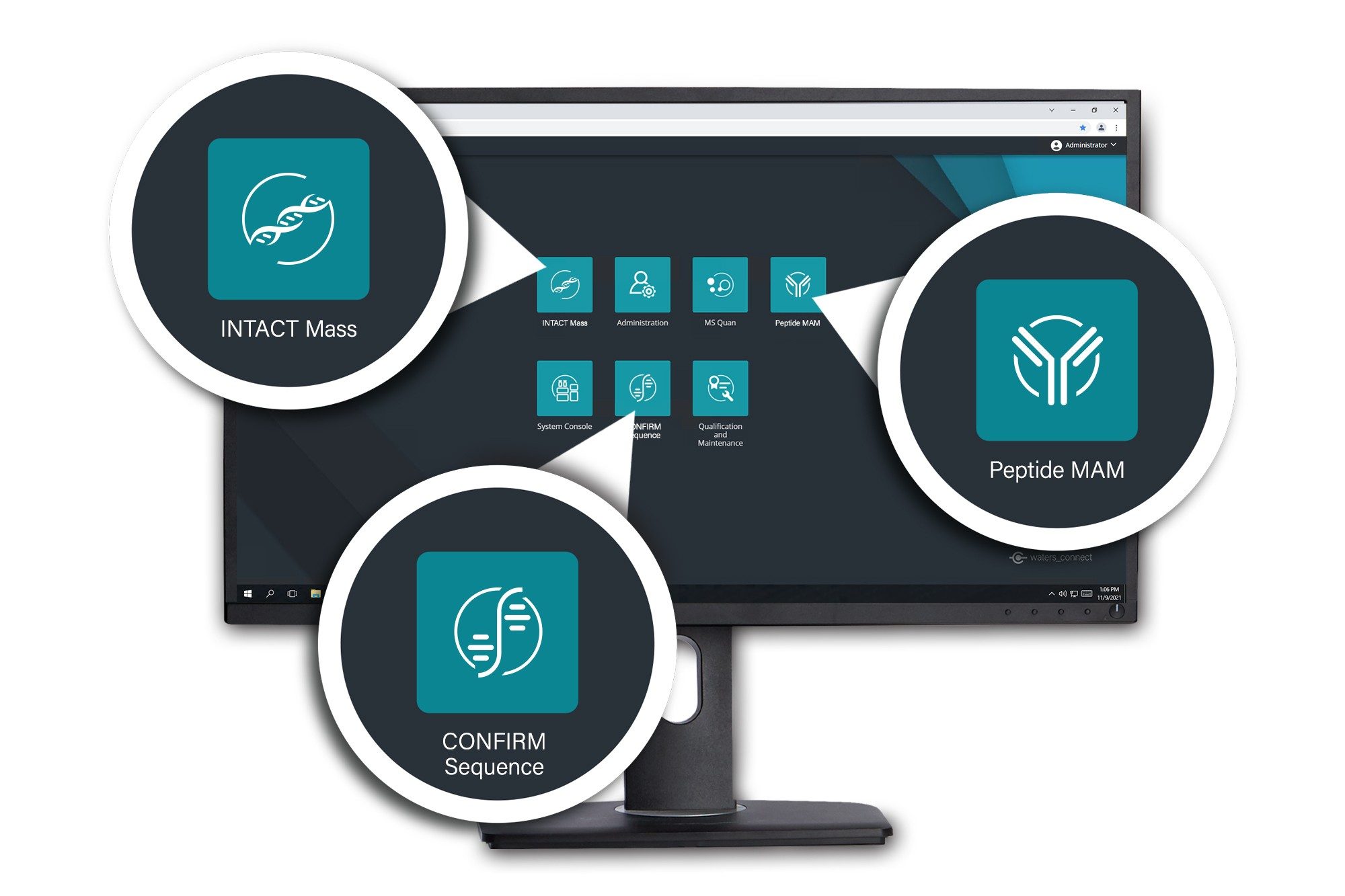
Accelerate your journey to informed decision-making with streamlined acquisition and processing methods, LNP component and impurity characterization workflows, compound library, report templates, sample data sets, and user guide.
Directly control your LC pumps and detectors in a single software ecosystem and unified interface with HPLC CONNECT for Waters that uses Wyatt Technology’s ASTRA software’s digital synchronization to minimize human error and ensure high confidence in data accuracy for lipid nanoparticles.
Users can build MS spectral libraries in Empower CDS for matching spectral peaks from samples that were collected in different projects and under different conditions. Filtering options increase the spectral matching accuracy for LNP solutions.
Obtain unique selectivity for ionizable cationic lipids, critical to LNP formulations, with MaxPeak Premier CSH Phenyl Hexyl Columns for Lipid Analysis that incorporate Charge Surface Hybrid (CSH) Phenyl Hexyl particles to improve resolution and peak shape.
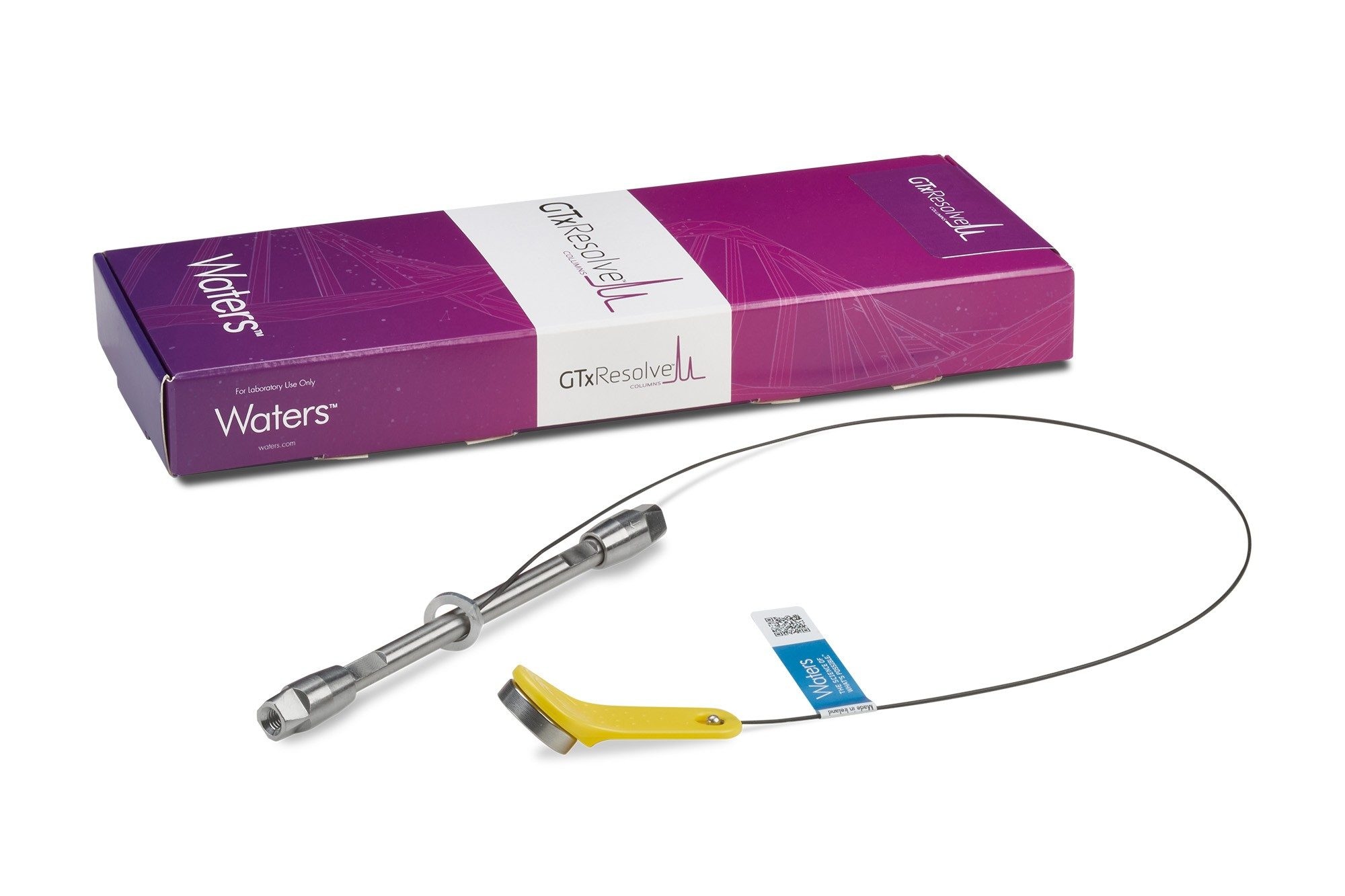
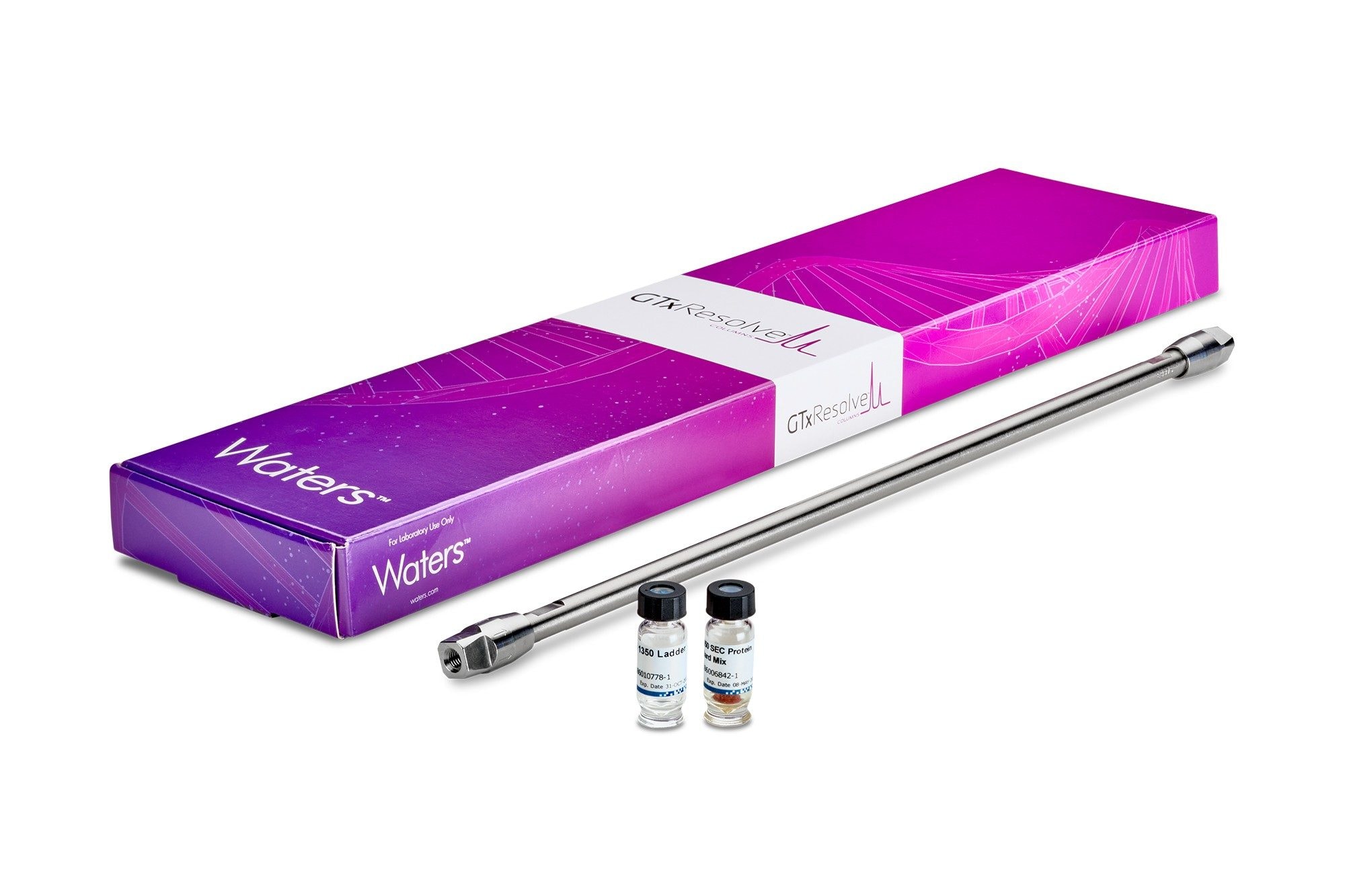
Expand your analytical possibilities with wide-pore GTxResolve SEC columns with MaxPeak Premier High Performance Surfaces hardware and a novel particle technologies that simplify LNP heterogeneity measurements and ensure efficient, high recovery separations.
Develop high resolution, ion-pairing free methods for lipid nanoparticles, synthetic oligonucleotides, nucleic acids, and capsid proteins with HILIC column designed for gene therapy separations.
Optimize your laboratory's productivity and success with Waters Global Services. Maintain peak system performance, minimize down time, address application challenges, and support stringent compliance requirements for lipid nanoparticle solutions.
Maximize resources and minimize risk with payment options from Waters Capital, including upgrading aging equipment, getting customized support, and bundling services into one monthly payment for LNP solutions.
Aggregate content in a freshly prepared sample (red) and one which was stored for three months (blue). Top: the light scattering fractograms at 90° scattering angle. Peak 1 is centered around 17 minutes, Peak 2 around 31 minutes. The relative size of the aggregate peak (Peak 2) is significantly larger for the stored sample. Bottom: total particle concentrations, where Peak 2 contains 10 times more particles for the stored sample than for the fresh sample.
(A) Overlay of the effect of heating on Tm. 1st heat scan, red dash and 2nd heat scan, blue line (B) Effect of additives on liposome properties. Black = no cholesterol added, blue = moderate cholesterol percentage incorporated, red = high cholesterol percentage incorporated.