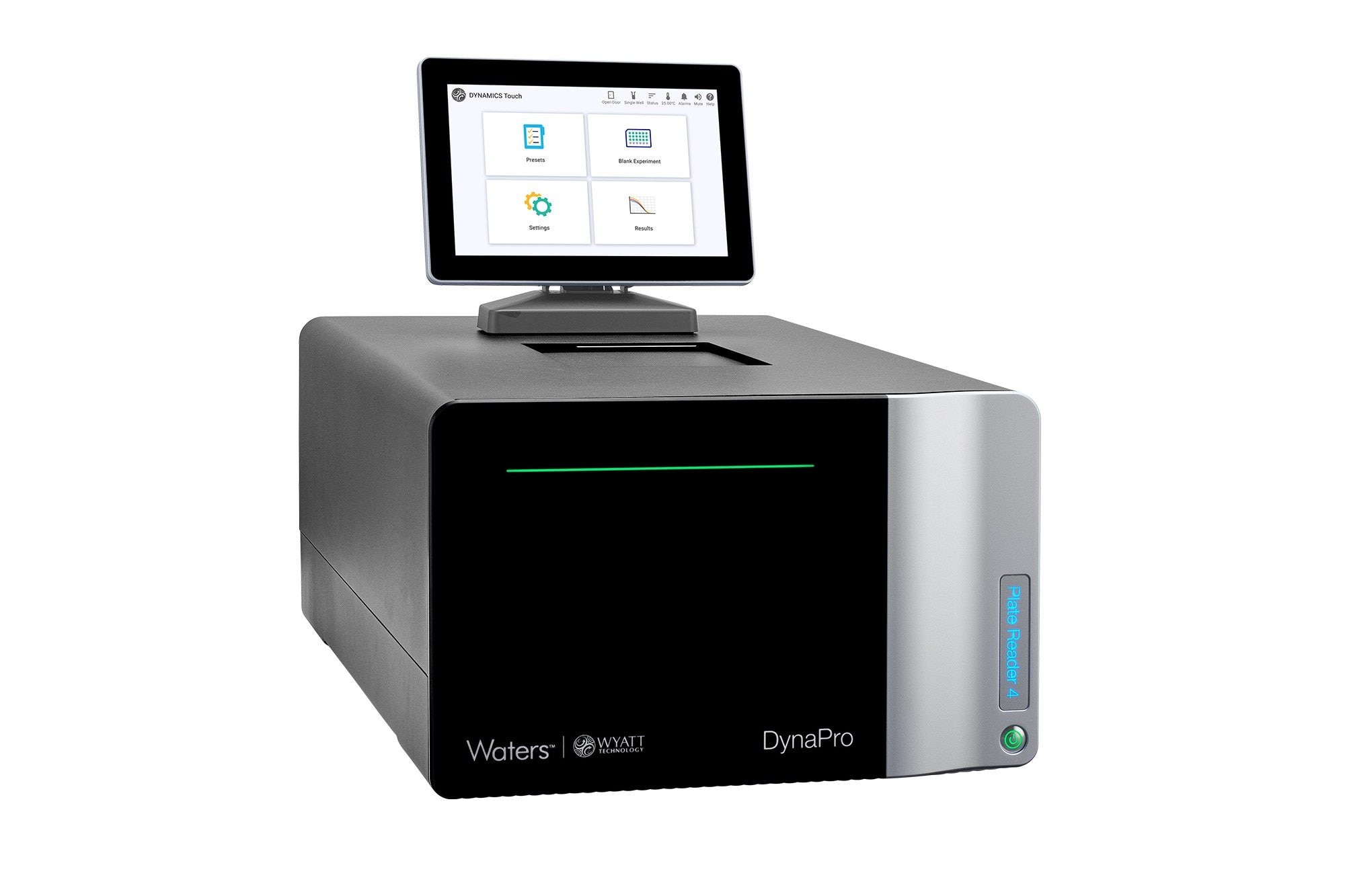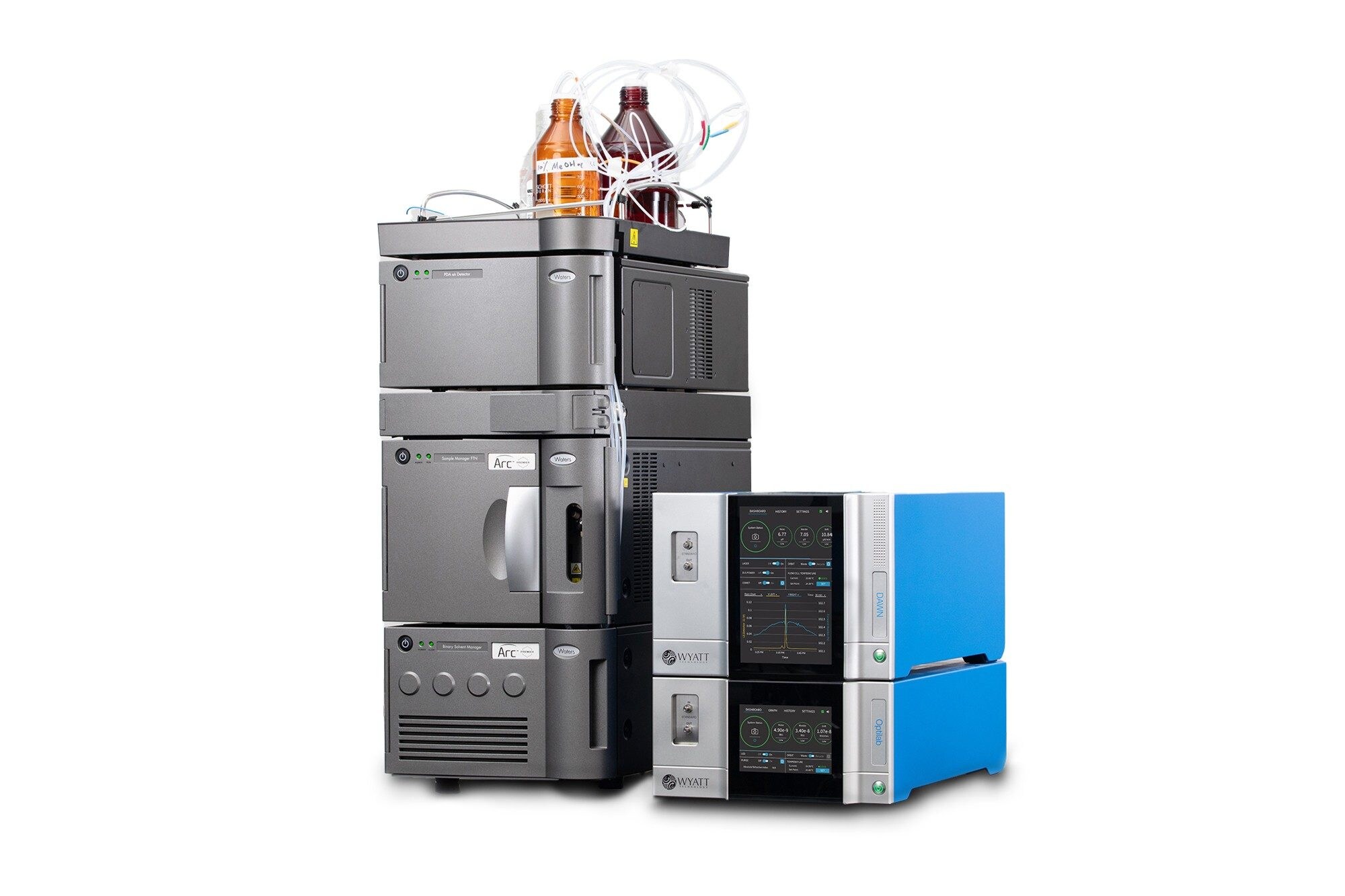
Viral vector-based gene therapies are large drug-product formulations comprised of protein and nucleic acid components containing over 200,000 atoms. Waters’ liquid chromatography (LC) combined with optical detection (UV, MALS) and mass spectrometry (MS) provide the analytical means to accurately characterize and quantify these heterogeneous structures and their attributes, at both component and intact levels, supporting robust viral vector solutions. Routine measurements include viral titer, aggregate/impurities analysis, viral protein ratios, peptide mapping & modification analysis, encapsidation efficiency, and genome integrity in your viral vector solution workflows.
Webinar: Bridging Innovation and Industry with Charge Detection Mass Spectrometry (CDMS)
Accelerate the journey from sample analysis to decision-making with waters_connect for biopharmaceutical and viral vector solutions analysis, with apps for intact mass analysis, sequence confirmation, process monitoring, and more.
Equip your lab with Empower Chromatography Data System (CDS) and gain advanced laboratory data management for your viral vector analyses, including acquisition, processing, and reporting.
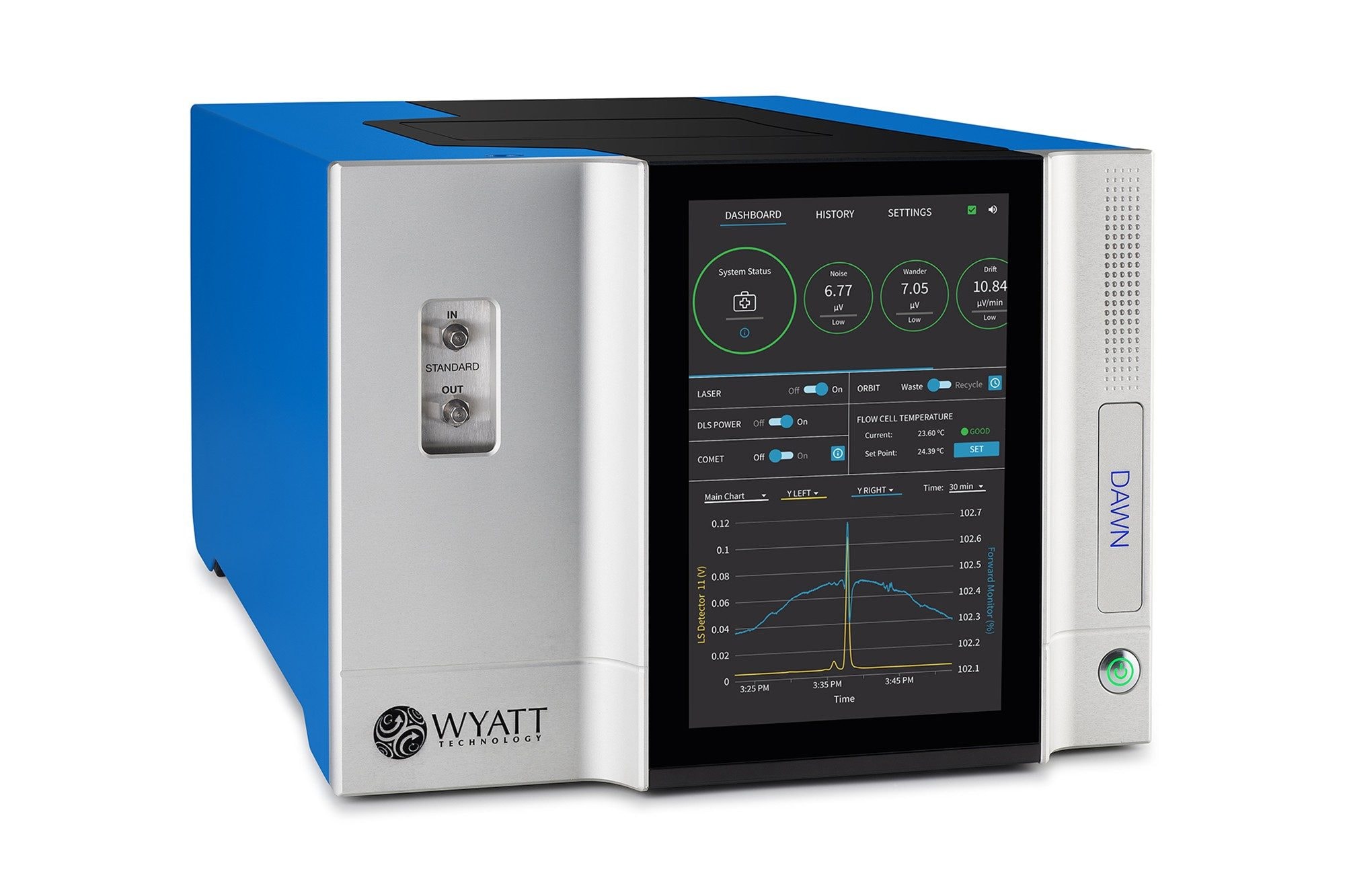
Instrument control, data acquisition, analysis and reporting are all provided by ASTRA software with the Viral Vector Analysis module. We provide a platform SEC-MALS method, specifically built for AAV quantitation, that is easily customizable for every product and serotype.
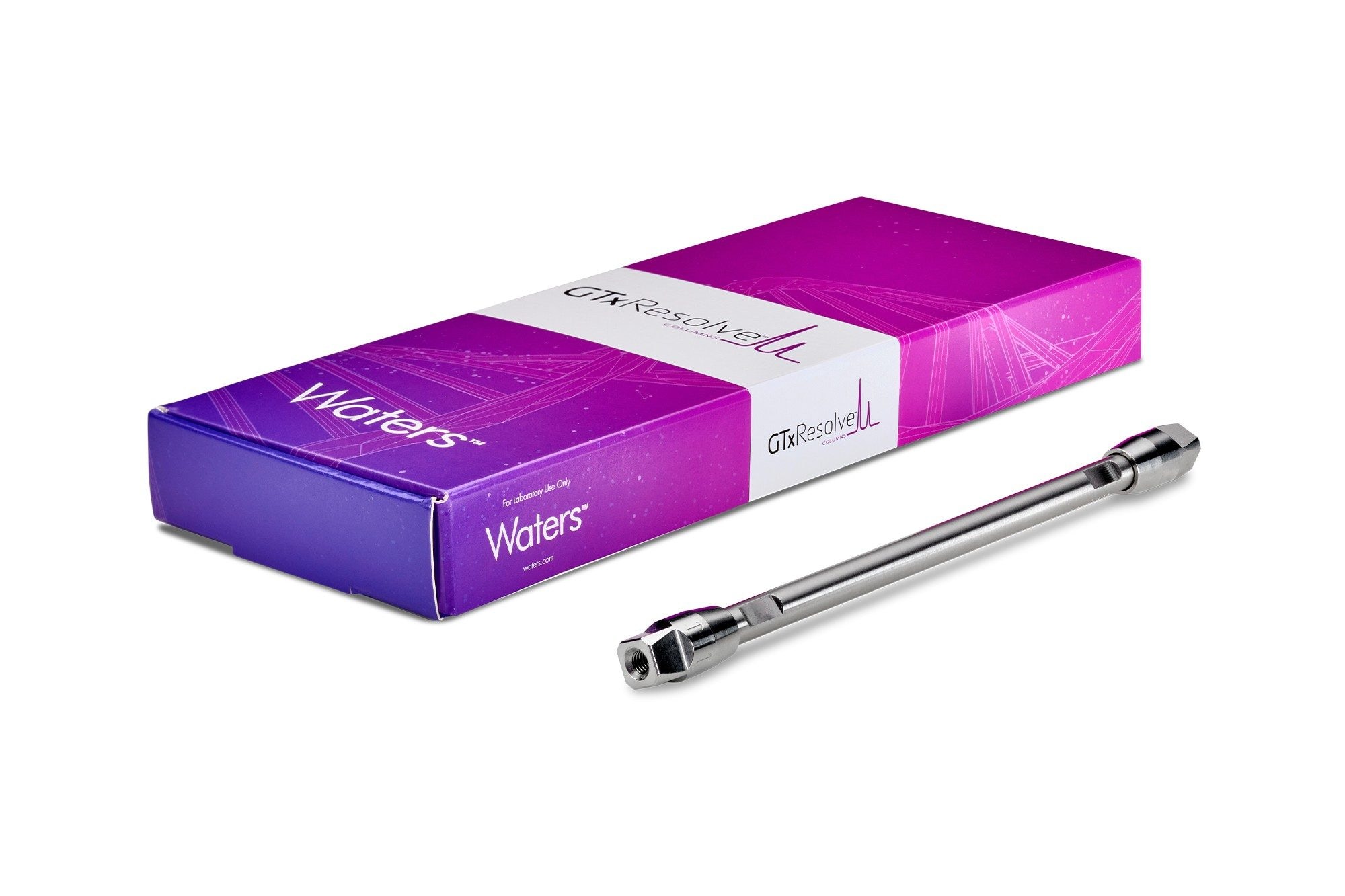
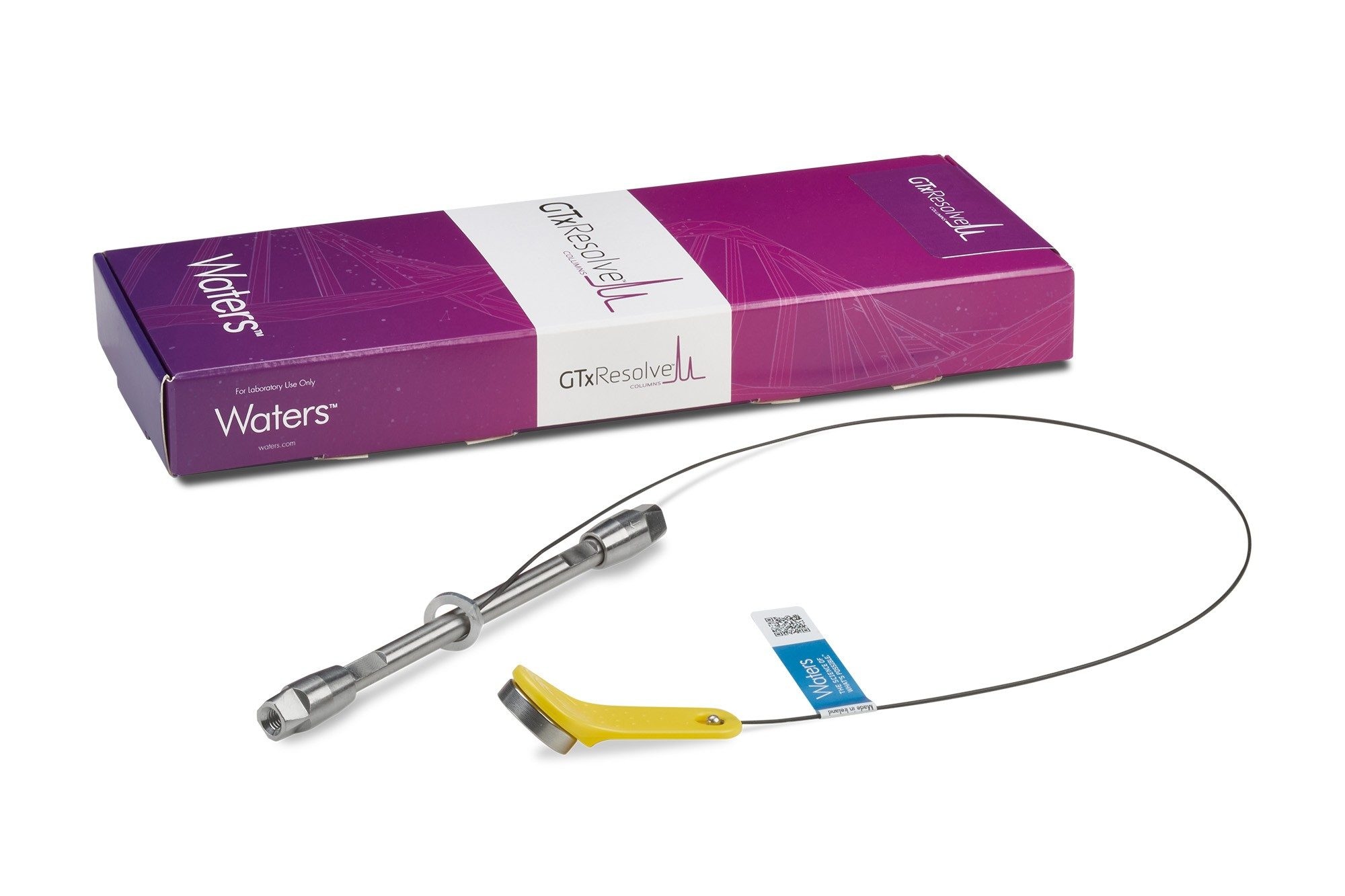
Enable measurement of multiple attributes, including aggregation & size variant analysis with Waters high efficiency GTxResolve Premier SEC columns that speed analysis time and lower sample consumption.
Improve recovery with Waters AEX chromatography that uses a non-porous, high efficiency stationary phase (e.g.:Protein-Pak Hi Res Q) combined with optimized salt gradients for a QC-friendly technique for empty/full measurements.
Identify and measure the relative abundance of viral proteins using MaxPeak Premier BEH C4 columns with DFA ion pairing for optimal LC and MS performance.
Amide stationary phase designed for high batch to batch reproducibility of viral vectors, capsid proteins, and nucleic acids. Oxidized and phosphorylated variants can be readily resolved from their unmodified counterparts with an optimally applied HILIC separation.
Confirm the sequence, post translational modification (PTMs), or degradation of viral proteins using peptide mapping and Waters CSH™ columns that deliver high resolution for this application.
Optimize your laboratory's productivity and success with Waters Global Services to maintain peak system performance, minimize down time, address application challenges, and support stringent compliance requirements.
Maximize resources and minimize risk with payment options from Waters Capital, including upgrading aging equipment, getting customized support, and bundling services into one monthly payment.
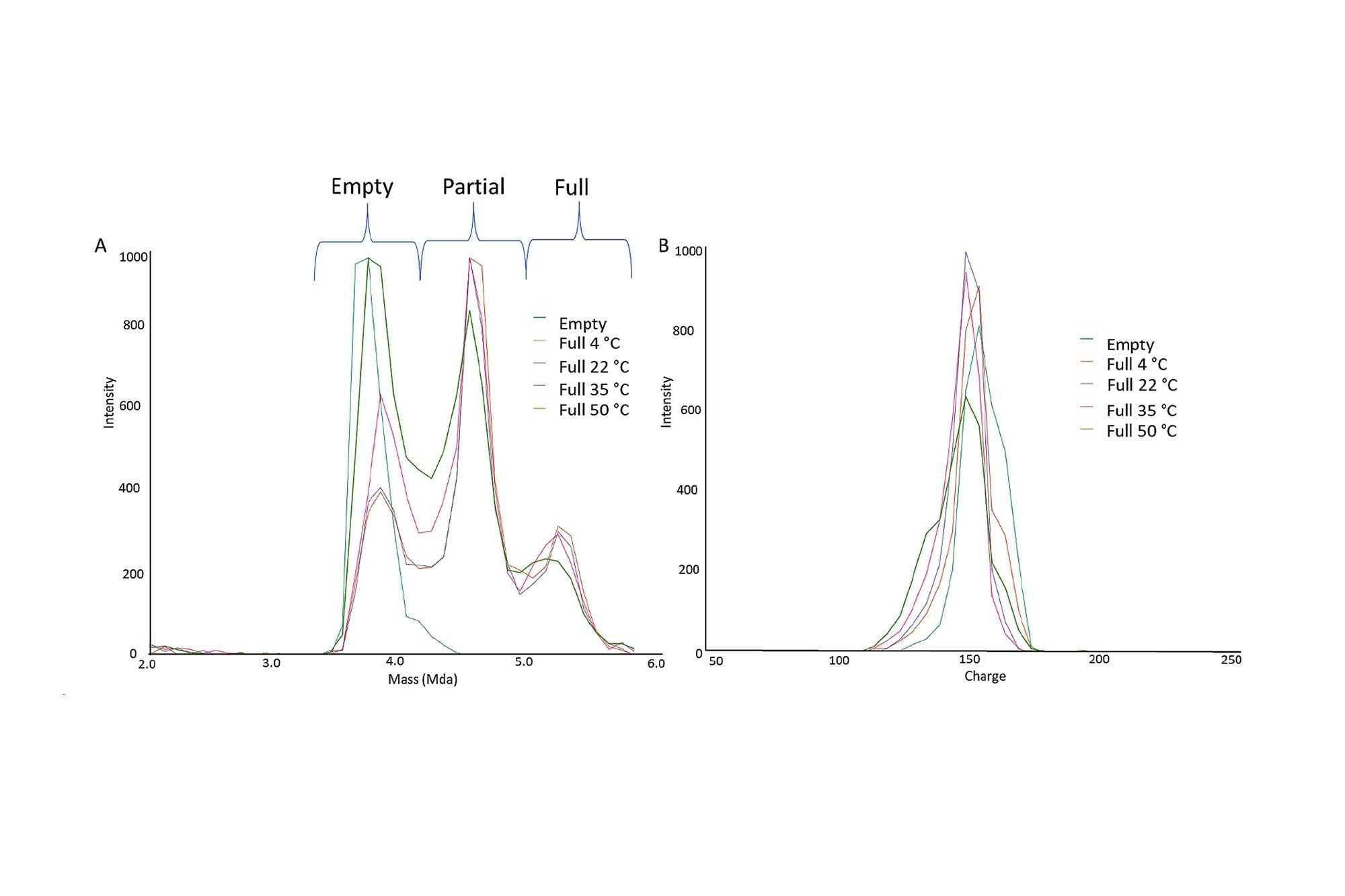
a) Overlayed mass spectrum of AAV8 zoomed into to the 2.5–6 MDa mass range with 100 % empty, and full capsid treated with 30-minute incubations at 4, 22, 35, and 50 °C. b) Charge spectrum of AAV8 zoomed into the 2.5–6 MDa mass range with 100 % empty, and full capsid treated with 30-minute incubations at 4, 22, 35 and 50 °C.
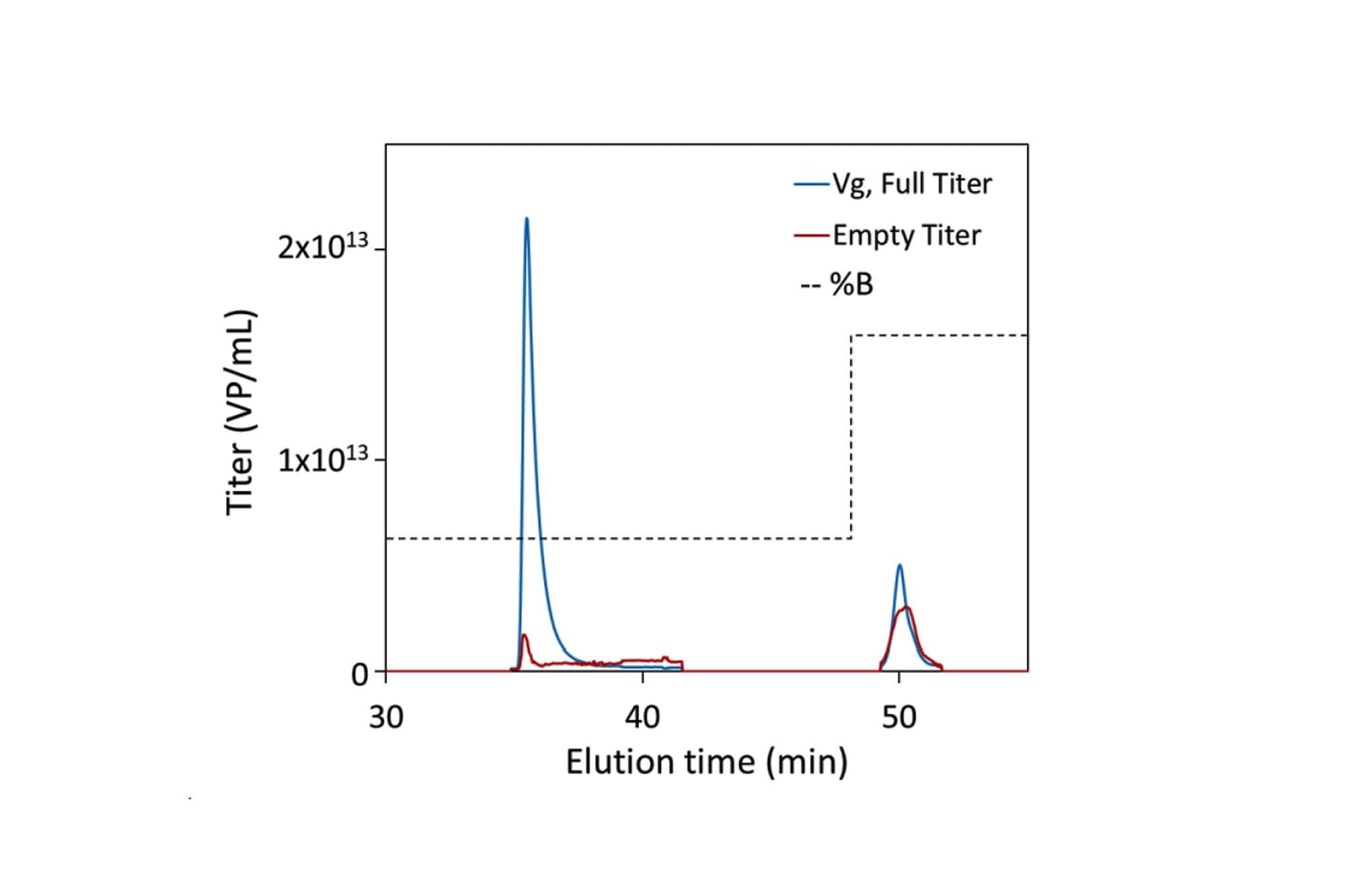
Full (blue) and empty (red) titers determined by RT-MALS during elution (34–48 minutes) and strip (> 48 minutes) in the final linear gradient. Buffer ionic strength is represented by the dashed black line.
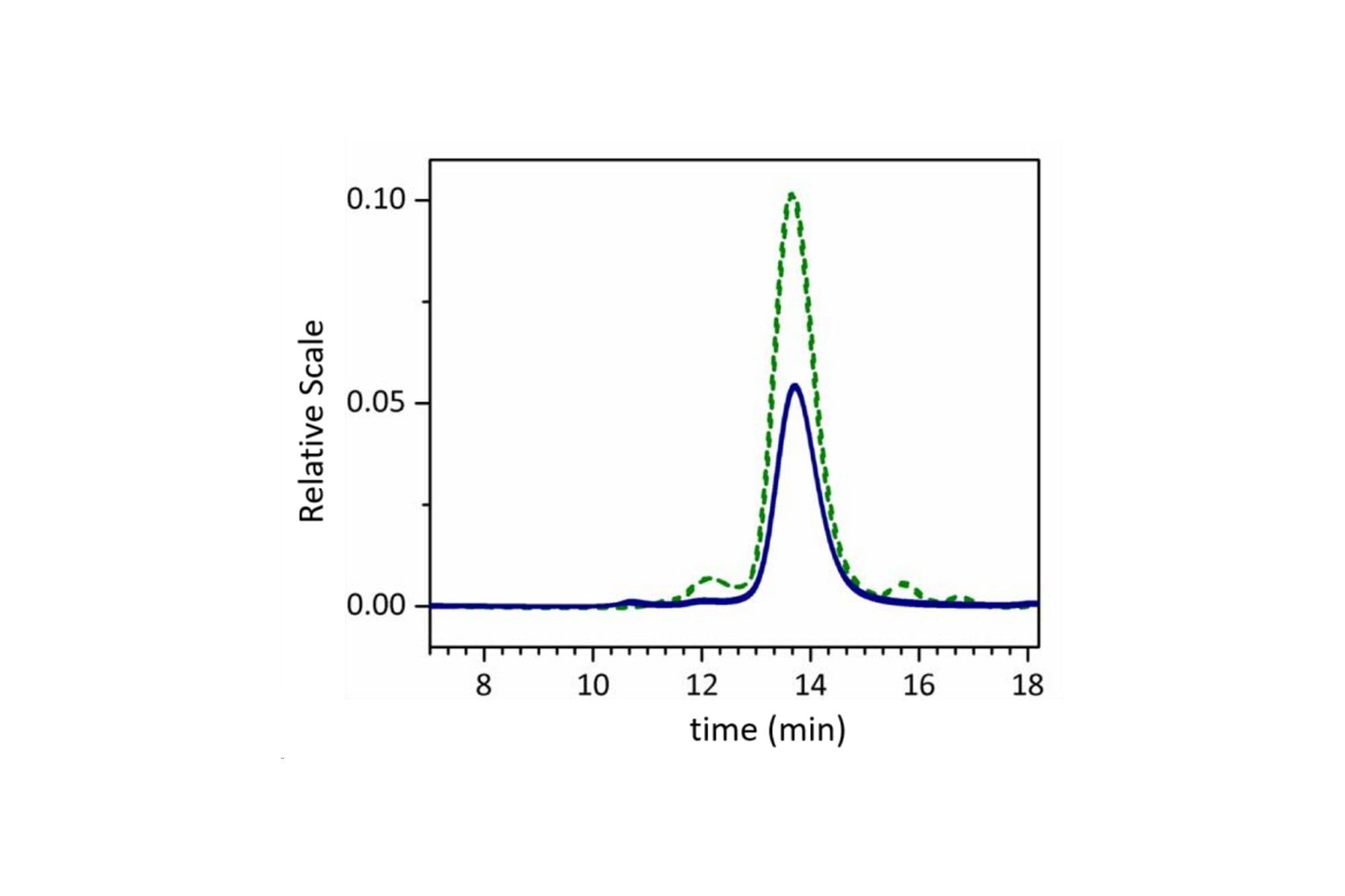
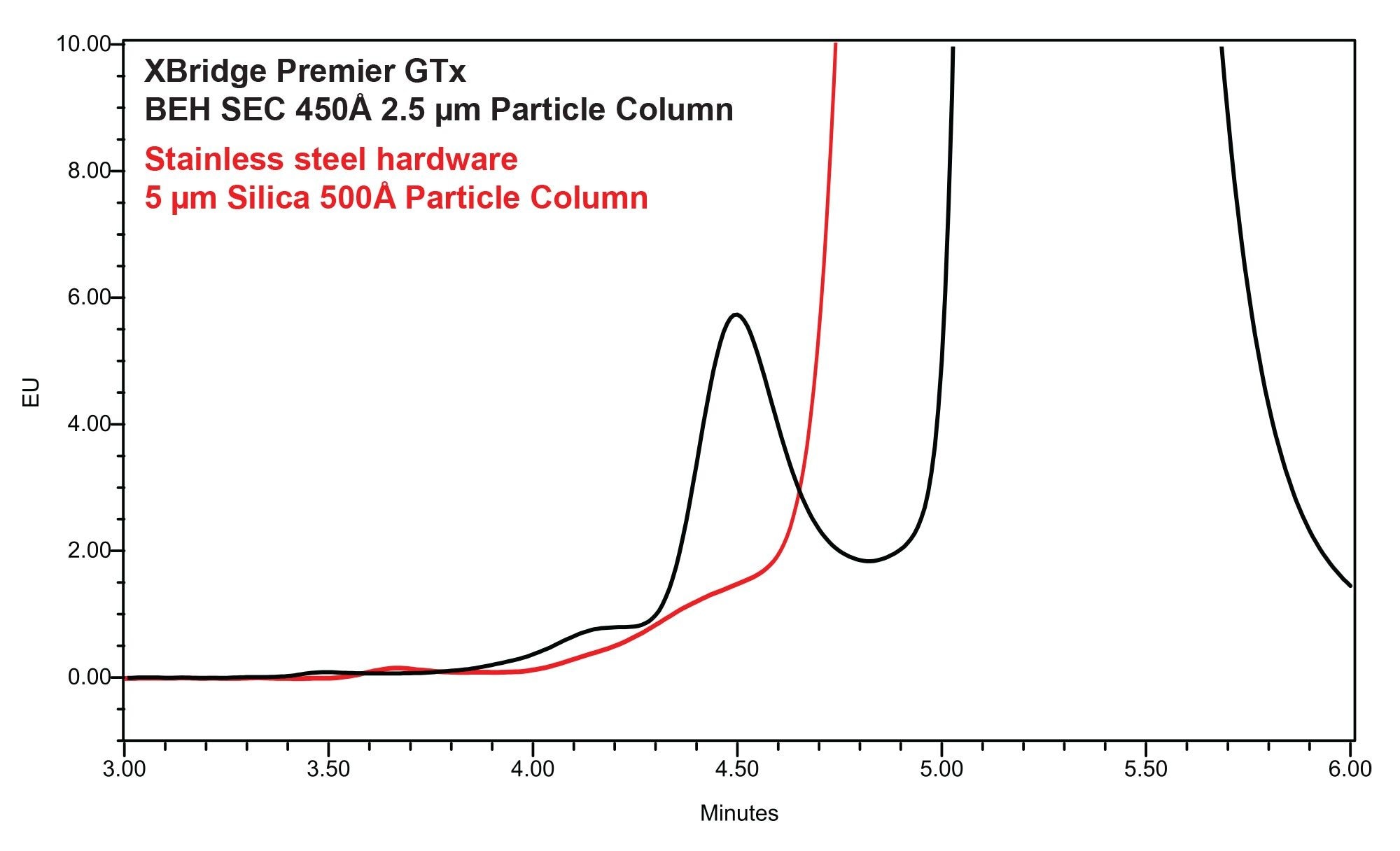
Zoomed views of an AAV2 chromatogram as obtained with stainless- steel hardware (4.6 x 150 mm, 5 µm particle, red trace) versus MaxPeak HPS hardware (XBridge Premier GTx BEH SEC 450 Å 2.5 µm 4.6 x 150 mm Column, black trace). Separations were performed with a mobile phase containing a standard ionic strength buffer (10 mM phosphate pH 7.4 + 200 mM KCl).
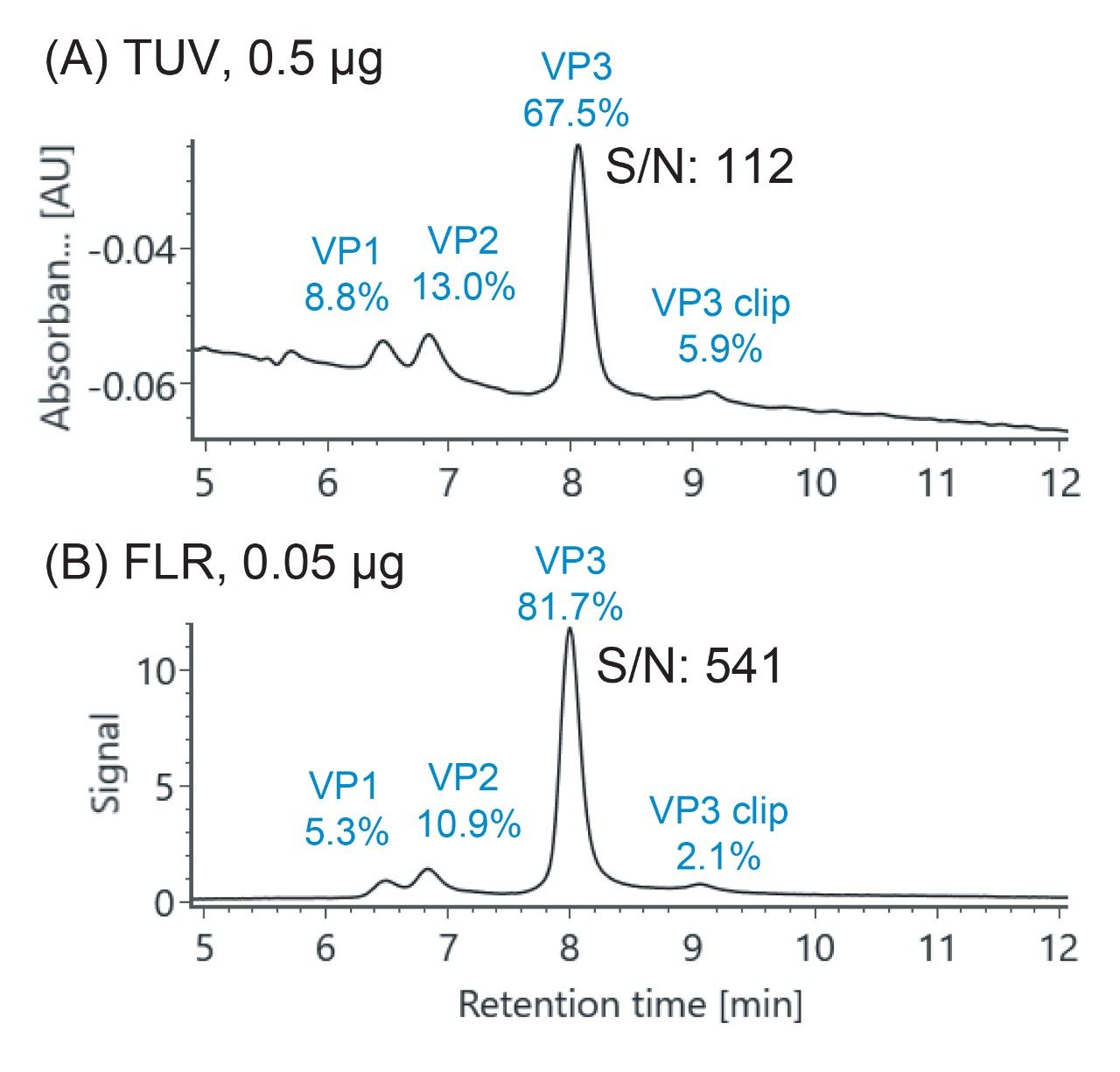
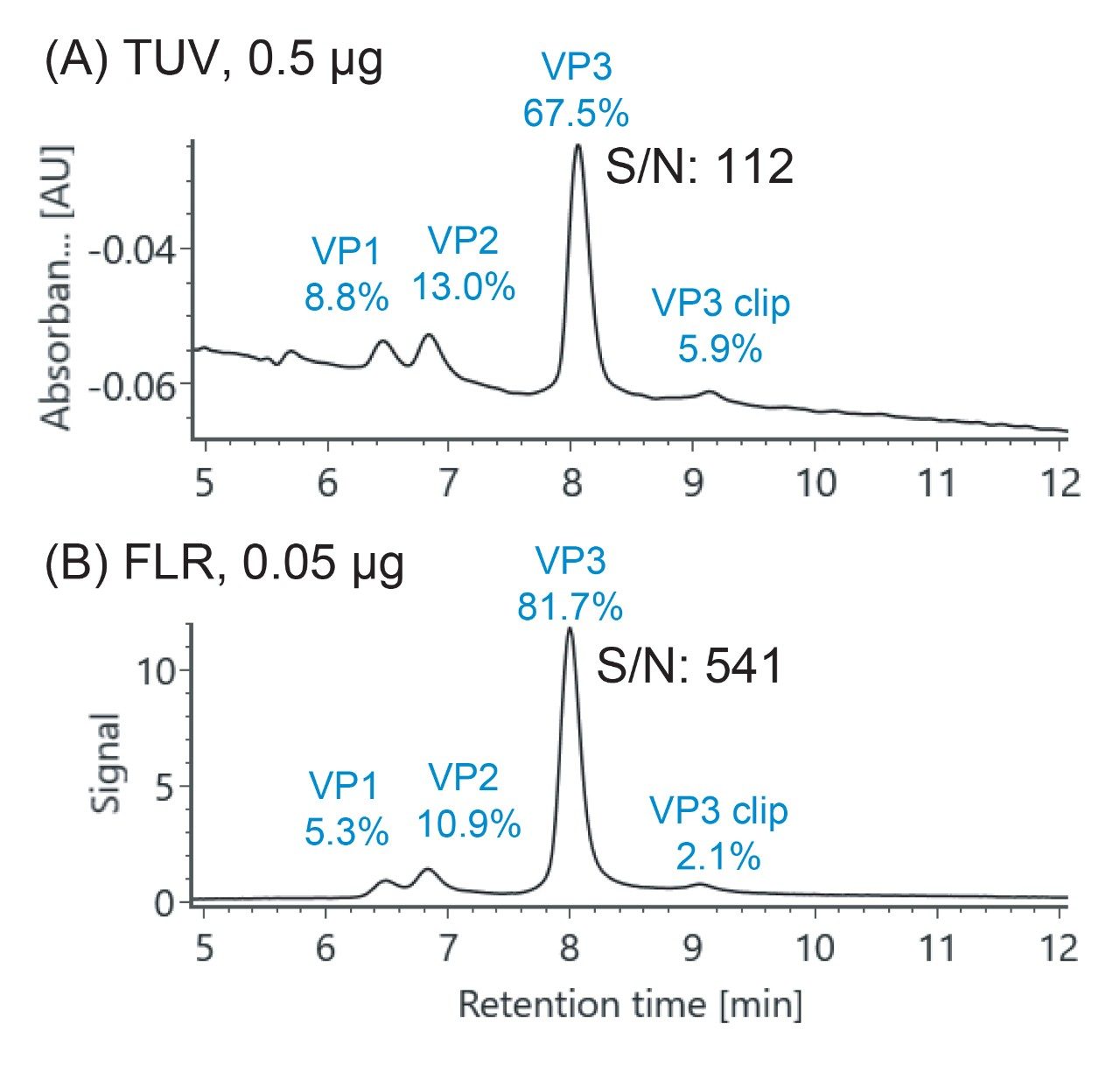
Relative quantification of VP proteins was measured by optical detection, including (A) UV and (B) Fluorescence (FLR). Peak annotation shows the assignment and calculated relative abundance of the detected components. With FLR detection, the S/N of VP3 is almost five times higher than the S/N of using UV detection with a 10-fold higher mass load, suggesting an approximately 50-fold improvement in sensitivity.