
저분자 LC/MS 표준물질
간편한 테스트, 검증 및 문제 해결을 통해 정확한 저분자 분석을 지원합니다.
초고성능 액체 크로마토그래피(UPLC)와 질량 분석(MS) 검출의 결합은 저분자 분석에 유용하게 사용됩니다. Waters의 저분자 표준물질 소모품 라인은 MetID, 오믹스, 바이오 분석, 추출물 및 침출물을 포함한 많은 저분자 응용의 평가 및 실행을 위한 관련 응용별 표준물질을 제공합니다.
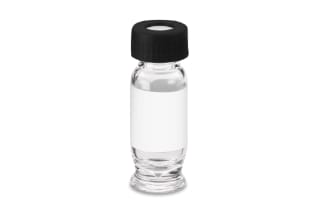 저분자 LC/MS 표준물질
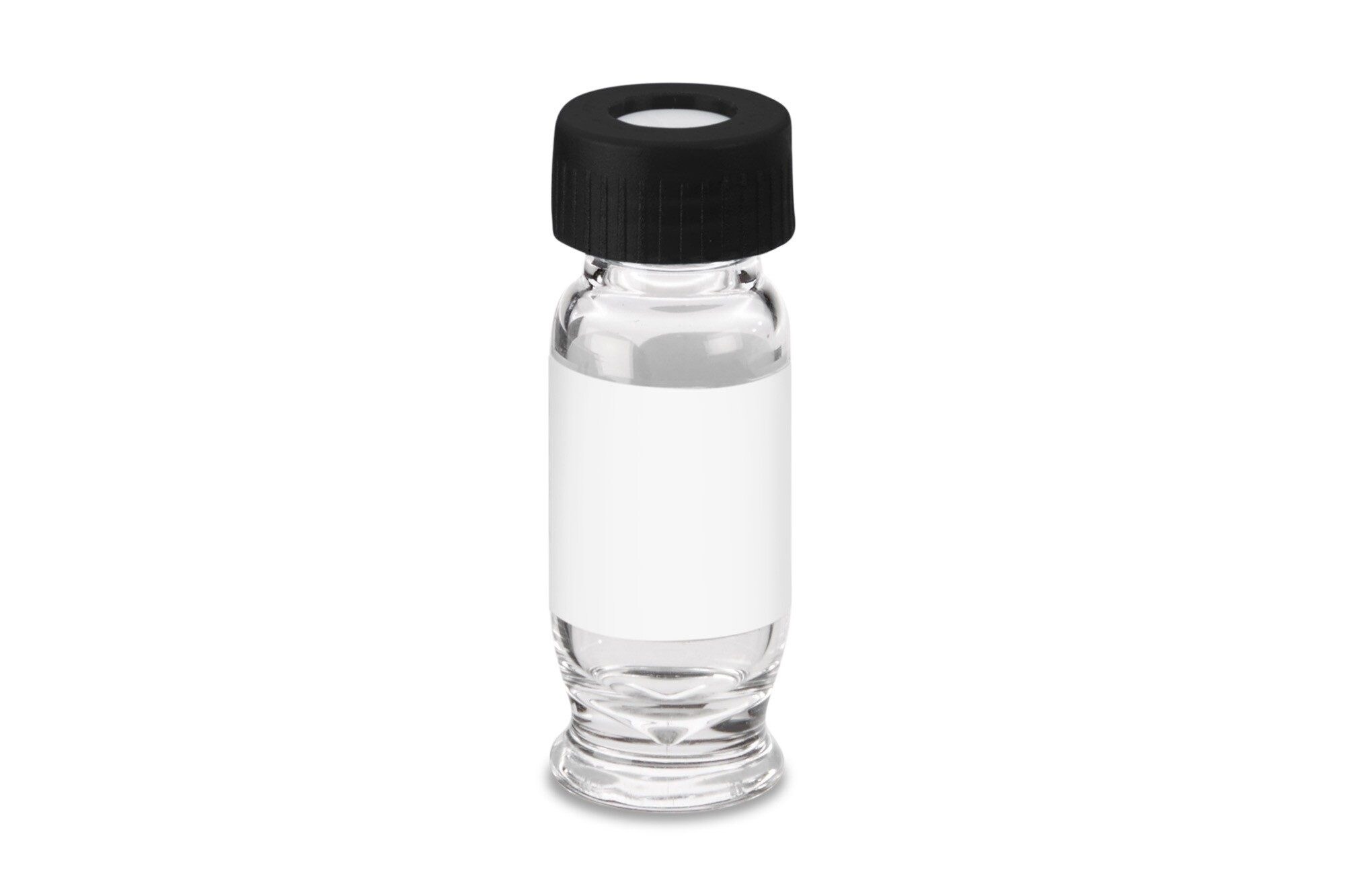
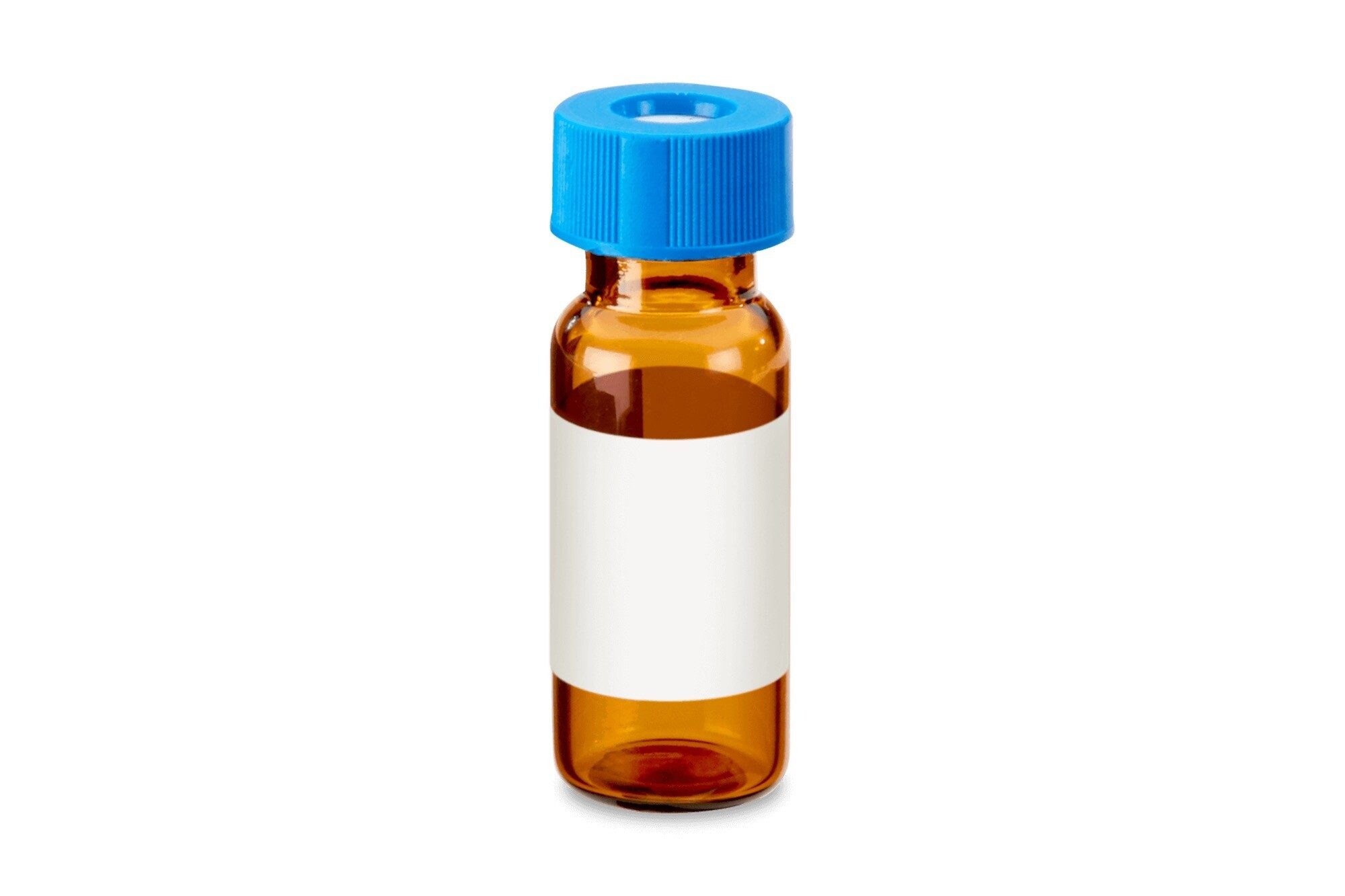
사양
개요
- 변동성, 재작업, 서류 작업 감소
- 응용 분야별로 미리 측정된 안정적인 혼합물로 시간 절약
- 응용 분야 테스트, 검증 및 문제 해결
권장 용도: 많은 MetID, 오믹스, 유전체 분석, 추출물과 침출물 분석 응용 분야의 평가, 검증 및 문제 해결을 위해 사용됩니다.
기능 헤더
진통제 혼합물
Waters 진통제 혼합물은 특히 이 응용 영역에서 HPLC에서 UPLC까지의 시스템 규모를 위한 저분자 작업 및 실험용입니다. 해당 화합물은 7가지의 아세트아미노펜, 아세트아미도페놀, 아세트아닐리드, 아세틸 살리실산, 카페인, 페나세틴, 살리실산으로 구성되어 있습니다.
시스템 평가 매트릭스 #1
시스템 평가 매트릭스 #1은 LC 및 MS 시스템 성능을 평가할 때 재현성 있는 백그라운드 신호로 사용하기 위한 것입니다. 특히 복합한 매트릭스가 필요하지만, 소변이나 혈장처럼 자연 발생적 대안이 현실적으로 존재하지 않는 표준 저분자 응용에 적합합니다.
MetID 저분자 표준물질 혼합물
MetID 표준물질은 Waters 대사산물 식별 시스템 및 소프트웨어의 검증에 사용되는 omeprazole 및 2가지 대사산물의 3개 성분 혼합물입니다.
더 많은 자료
문서
지원
어떤 작업을 하시겠습니까?


관련 항목
할인 프로모션
Small molecule LC/MS standards are high-purity, well-characterized compounds designed for liquid chromatography-mass spectrometry (LC/MS) workflows. These standards serve as reliable reference materials, ensuring accurate identification, quantification, and validation of small molecules in various fields. They are essential for achieving precise, consistent, and repeatable results, making them indispensable for scientists and researchers.
The high purity of these standards, typically exceeding 98%, minimizes background interference and ensures clean, reliable data. Each standard undergoes rigorous testing to confirm its chemical structure and consistency. Accompanied by detailed documentation like Certificates of Analysis (CoAs), these standards guarantee traceability and compliance with regulatory requirements.
Small molecule LC/MS standards are used across many industries. In pharmaceuticals, they ensure the consistency of active ingredients in drugs and detect impurities. In food and beverage testing, they help monitor contaminants, verify additives, and measure nutritional components. Environmental scientists use them to detect pollutants and pesticide residues, while researchers in metabolomics rely on them to analyze biological processes and discover potential biomarkers for diseases.
The advantages of using LC/MS standards include improved accuracy, streamlined method validation, and compliance with global regulatory guidelines like those from the FDA, USP, and EP. These standards provide consistent and dependable reference points, boosting confidence in results and simplifying complex analytical workflows.
To conclude, small molecule LC/MS standards are critical tools in modern science. Their exceptional quality, adaptability, and regulatory alignment make them vital for advancing accuracy and innovation in small molecule analysis.


