
低分子 LC/MS 標準試料
効率的な試験、バリデーション、トラブルシューティングで、正確な低分子分析をサポート
超高速液体クロマトグラフィー(UPLC)と質量分析(MS)検出の組み合わせは、低分子分析に広く利用されています。Waters 低分子標準試料消耗品シリーズは、代謝物同定(MetID)、オミックス、バイオアナリシス、抽出物・浸出物など、多様な低分子アプリケーションの評価および分析に使用できる、アプリケーション固有の標準試料を提供します。
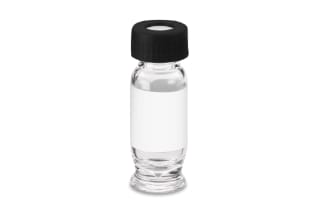 低分子 LC/MS 標準試料
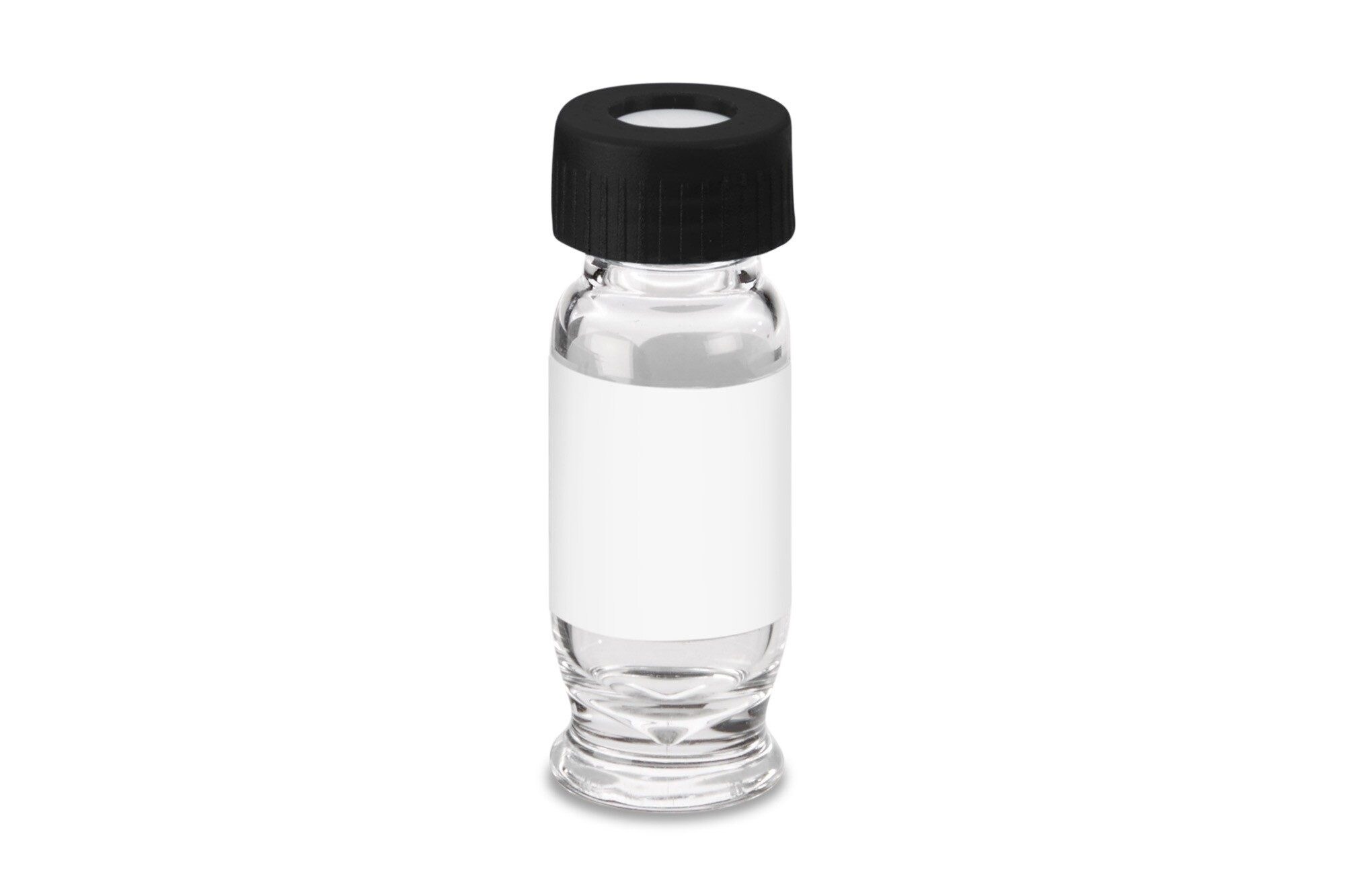
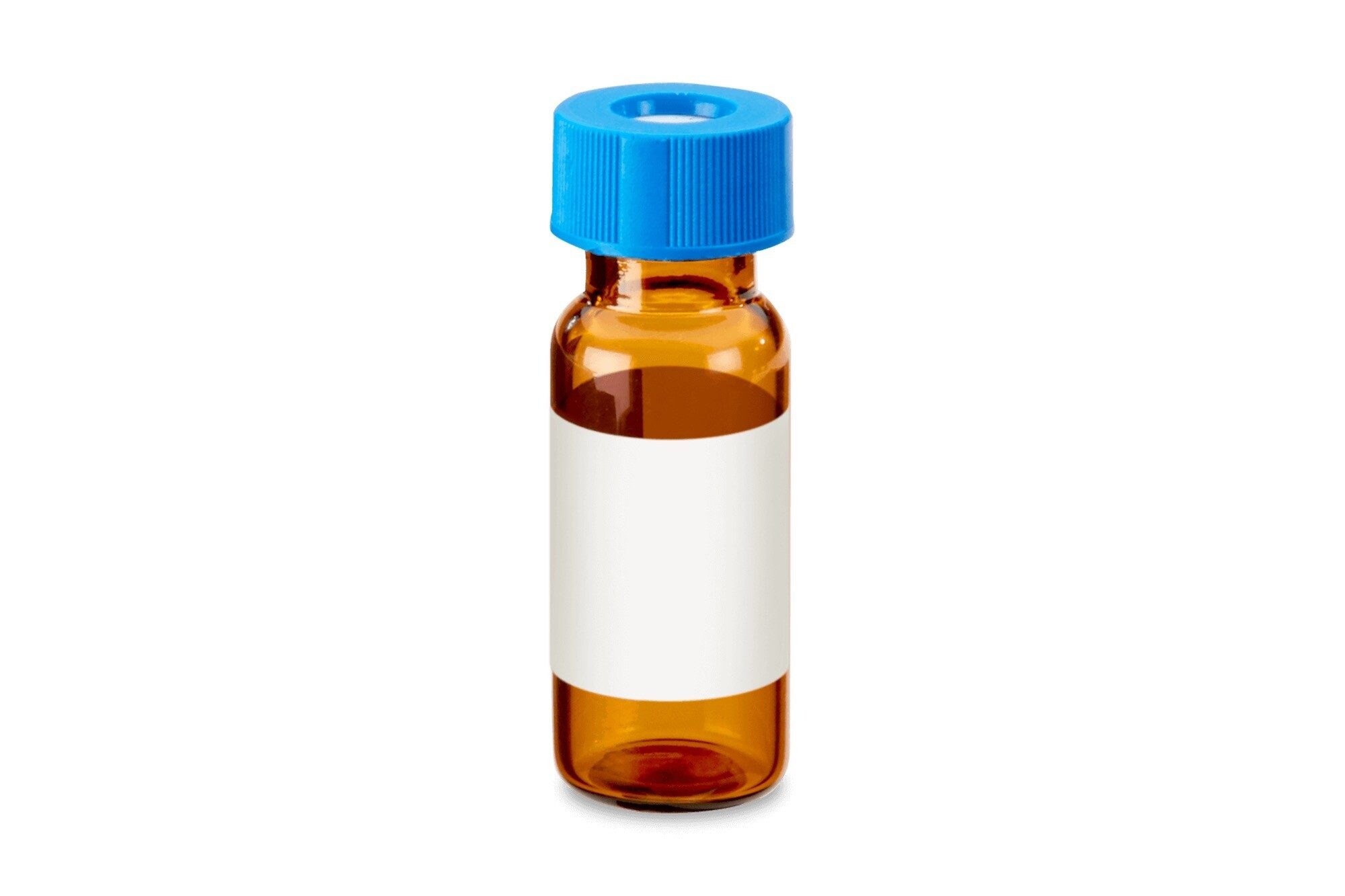
仕様
概要
- ばらつき、やり直し、紙での管理作業を低減
- アプリケーション専用の既定の安定した混合試料で時間を節約
- アプリケーションのテスト、検証、トラブルシューティング
推奨用途:代謝物同定(MetID)、オミックス解析、バイオアナリシス、溶出物/浸出物など多くのアプリケーションの評価、検証、トラブルシューティング
機能ヘッダー
鎮痛剤混合試料
Waters 鎮痛剤混合試料は、このアプリケーション分野の HPLC から UPLC までの低分子の作業および実験のシステムスケーリングに特化しています。この混合試料は、アセトアミノフェン、アセトアミドフェノール、アセトアニリド、アセチルサリチル酸、カフェイン、フェナセチン、サリチル酸の 7 成分を含みます。
システム評価マトリックス #1
システム評価マトリックス #1 は、LC および MS システムの性能評価において、再現性のあるバックグラウンドシグナルとして使用することを目的としています。特に、複雑なマトリックスが必要で、尿や血漿などの天然代替物が現実的でない標準的な低分子アプリケーションに適しています。
MetID 低分子スタンダード混合試料
MetID スタンダードは、Waters 代謝物質構造推定システムとソフトウェアのバリデーションに使用される、オメプラゾールと 2 種の代謝物を含む 3 成分混合試料です。
リソース
ドキュメント
サポート
お探しの情報は何ですか?


キャンペーン・割引
Small molecule LC/MS standards are high-purity, well-characterized compounds designed for liquid chromatography-mass spectrometry (LC/MS) workflows. These standards serve as reliable reference materials, ensuring accurate identification, quantification, and validation of small molecules in various fields. They are essential for achieving precise, consistent, and repeatable results, making them indispensable for scientists and researchers.
The high purity of these standards, typically exceeding 98%, minimizes background interference and ensures clean, reliable data. Each standard undergoes rigorous testing to confirm its chemical structure and consistency. Accompanied by detailed documentation like Certificates of Analysis (CoAs), these standards guarantee traceability and compliance with regulatory requirements.
Small molecule LC/MS standards are used across many industries. In pharmaceuticals, they ensure the consistency of active ingredients in drugs and detect impurities. In food and beverage testing, they help monitor contaminants, verify additives, and measure nutritional components. Environmental scientists use them to detect pollutants and pesticide residues, while researchers in metabolomics rely on them to analyze biological processes and discover potential biomarkers for diseases.
The advantages of using LC/MS standards include improved accuracy, streamlined method validation, and compliance with global regulatory guidelines like those from the FDA, USP, and EP. These standards provide consistent and dependable reference points, boosting confidence in results and simplifying complex analytical workflows.
To conclude, small molecule LC/MS standards are critical tools in modern science. Their exceptional quality, adaptability, and regulatory alignment make them vital for advancing accuracy and innovation in small molecule analysis.


