Lipid Nanoparticle Solutions

Lipid Nanoparticle Solutions

Gain insights to intact particles and molecular compositions with purposefully designed lipid nanoparticle (LNP) solutions from Waters that generate high quality, reliable analytical data.

Gain insights to intact particles and molecular compositions with purposefully designed lipid nanoparticle (LNP) solutions from Waters that generate high quality, reliable analytical data.

Characterize LNPs to ensure product safety and efficacy.

Overview

Lipid nanoparticles (LNPs) are used to encapsulate and deliver nucleic acid, protein, and small molecule drugs into targeted cells. The Waters integrated LNP solutions provide a robust suite of LC, LC-MS, DLS, and microcalorimetry tools to ensure accurate compositional and size analysis for every lipid nanoparticle system. From early discovery through process development and QC, these workflows empower researchers to confidently characterize LNP formulations and lipid nanoparticles with precision, efficiency, and reproducibility.


Applications

The Andrew+ pipetting robot and DynaPro DLS Plate Reader simplify the laborious and expensive task of LNP formulation development. They automate screening and directly measure size and polydispersity, improving efficiency and precision. In production, the ultraDAWN real-time MALS provides continuous monitoring for product consistency across lipid nanoparticles (LNPs). These LNP solutions streamline high-throughput testing for lipid nanoparticle formulations.

The Andrew+ pipetting robot and DynaPro DLS Plate Reader simplify the laborious and expensive task of LNP formulation development. They automate screening and directly measure size and polydispersity, improving efficiency and precision. In production, the ultraDAWN real-time MALS provides continuous monitoring for product consistency across lipid nanoparticles (LNPs). These LNP solutions streamline high-throughput testing for lipid nanoparticle formulations.


Easily implement continuous size monitoring during batch production with the ultraDAWN real-time MALS instrument to streamline process development and ensure consistent batch-to-batch quality.

Chromatography with evaporative light scattering routinely separates and quantifies lipid components, ensuring purity and consistency in formulations. In addition to compositional profiling, impurity analysis is critical to understand the assembled delivery system and to screen lipid raw materials used in lipid nanoparticles (LNPs). Waters LNP LC-MS data workflow package facilitates compositional analysis of the lipids comprising the particle and identification of their impurities, enabling accurate formulation and quality control of LNP-based drugs and lipid nanoparticle systems.

Chromatography with evaporative light scattering routinely separates and quantifies lipid components, ensuring purity and consistency in formulations. In addition to compositional profiling, impurity analysis is critical to understand the assembled delivery system and to screen lipid raw materials used in lipid nanoparticles (LNPs). Waters LNP LC-MS data workflow package facilitates compositional analysis of the lipids comprising the particle and identification of their impurities, enabling accurate formulation and quality control of LNP-based drugs and lipid nanoparticle systems.


Analysis of the ionizable lipid Dlin-MC3-DMA using A) ELS and B) MS detection is shown.

Particle size and polydispersity, crucial for biodistribution and cellular uptake, are key properties of lipid-based nanoparticles, also known as LNPs. The DynaPro Plate Reader DLS/SLS instrument measures these parameters in less than a minute per sample. Perform measurements directly in industry-standard 96-, 384-, or 1536-well plates, with seamless integration into plate and liquid-handling robots for even greater throughput, making it ideal for applications from early research to final release. For higher-resolution sizing while simultaneously measuring payload distribution, the Eclipse FFF-MALS system provides a powerful complementary solution.

Particle size and polydispersity, crucial for biodistribution and cellular uptake, are key properties of lipid-based nanoparticles, also known as LNPs. The DynaPro Plate Reader DLS/SLS instrument measures these parameters in less than a minute per sample. Perform measurements directly in industry-standard 96-, 384-, or 1536-well plates, with seamless integration into plate and liquid-handling robots for even greater throughput, making it ideal for applications from early research to final release. For higher-resolution sizing while simultaneously measuring payload distribution, the Eclipse FFF-MALS system provides a powerful complementary solution.


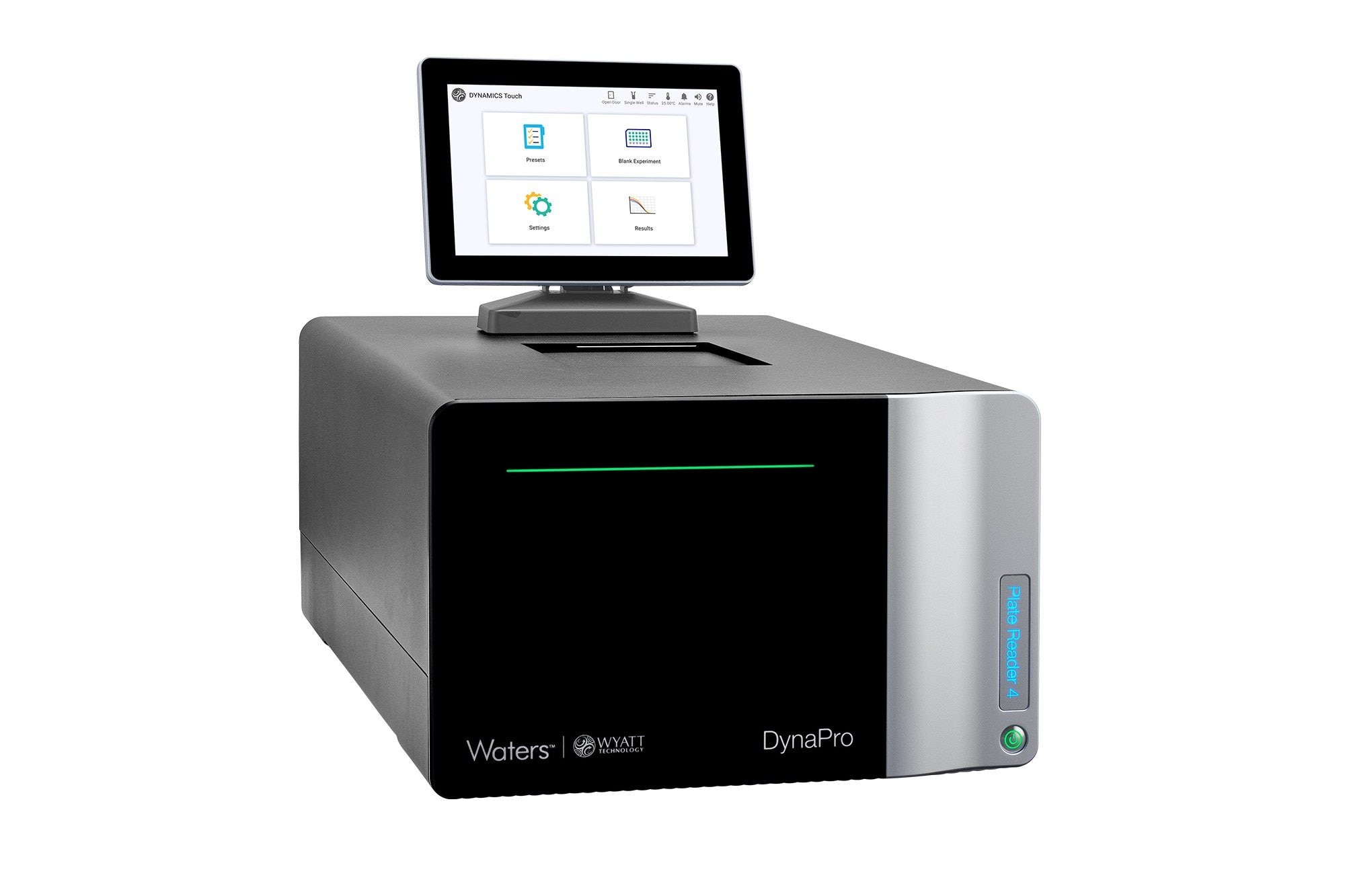
Waters high-throughput DLS/SLS instrument provides size and polydispersity measurements in less than one minute per sample using standard microwell plates—reducing operating costs and enhancing supply chain robustness.

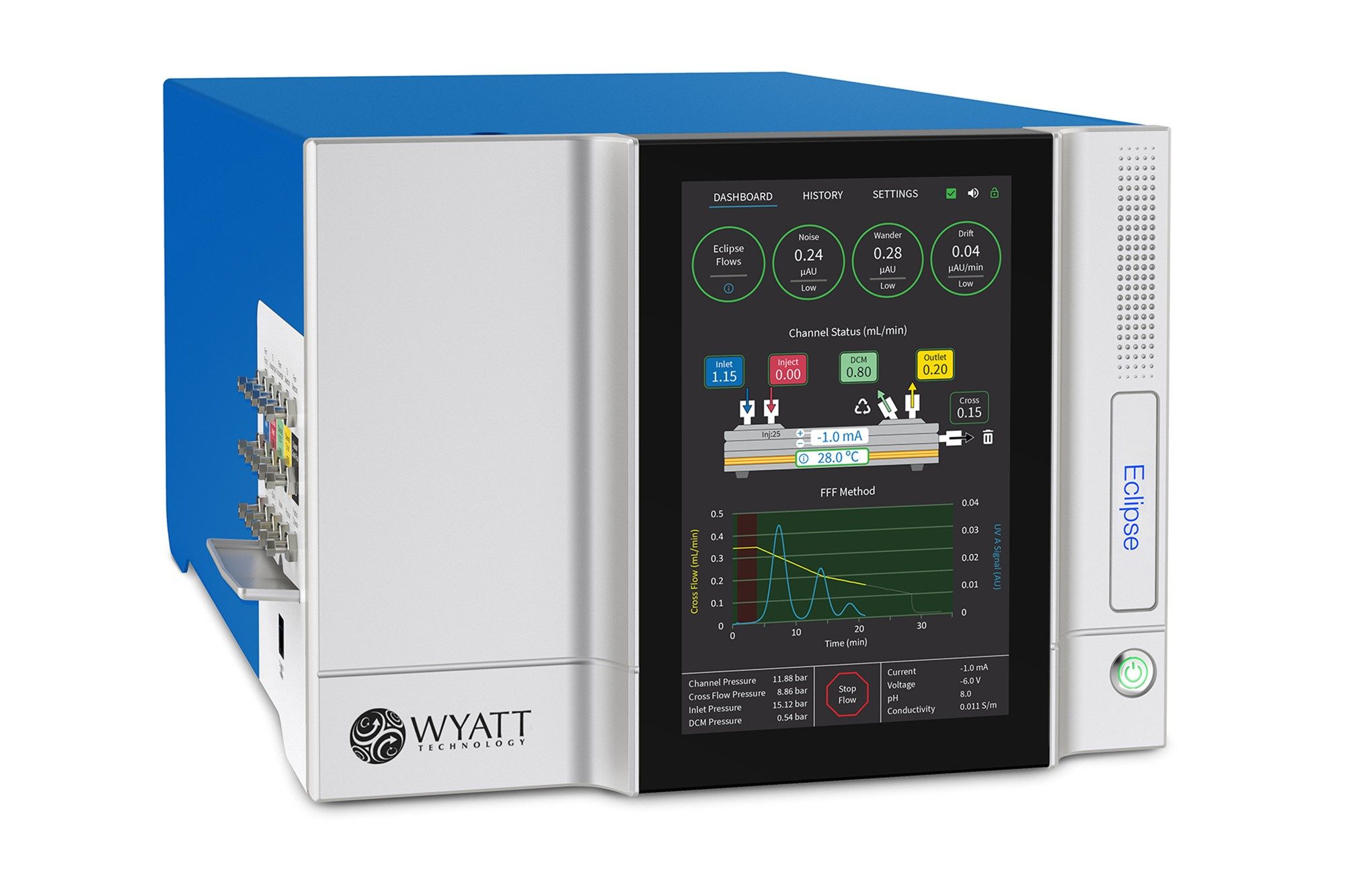
Determining the quality of lipid nanoparticle encapsulation is an important factor impacting therapeutic efficacy during drug and vaccine development. The Eclipse system can operate in both FFF and SEC modes, and when coupled with multi-angle light scattering, it provides a leading method for precise and quantitative analysis of LNPs. Choose from a range of reliable FFF channels and SEC columns for separation. This combination enables simultaneous measurement of mRNA payload quality and intact-LNP multi-attribute analysis, including size distribution, particle concentration, and size-based payload distribution.

Determining the quality of lipid nanoparticle encapsulation is an important factor impacting therapeutic efficacy during drug and vaccine development. The Eclipse system can operate in both FFF and SEC modes, and when coupled with multi-angle light scattering, it provides a leading method for precise and quantitative analysis of LNPs. Choose from a range of reliable FFF channels and SEC columns for separation. This combination enables simultaneous measurement of mRNA payload quality and intact-LNP multi-attribute analysis, including size distribution, particle concentration, and size-based payload distribution.


FFF-MALS not only quantifies the average quality attributes of an LNP-mRNA sample but also provides high-resolution insights into its lipid and mRNA subcomponents, showing how these are distributed across the particles within the sample, all in a single experiment.

Ensuring ideal particle size, uniformity, and surface charge while limiting subvisible particle formation is crucial for cellular uptake, safety and stability. Light scattering combined with calorimetry measurements offers a comprehensive understanding of the stability of LNPs and liposomes, essential for formulation development, pH screening, and freeze-thaw studies. With backgrounded membrane imaging (BMI) and fluorescence membrane microscopy (FMM), you can detect, count, and identify LNP and nucleic acid aggregates between 1 µm and 5 mm from just 5 µL of sample—delivering USP <788> compendial, high throughput insight from early development through post-release monitoring.

Ensuring ideal particle size, uniformity, and surface charge while limiting subvisible particle formation is crucial for cellular uptake, safety and stability. Light scattering combined with calorimetry measurements offers a comprehensive understanding of the stability of LNPs and liposomes, essential for formulation development, pH screening, and freeze-thaw studies. With backgrounded membrane imaging (BMI) and fluorescence membrane microscopy (FMM), you can detect, count, and identify LNP and nucleic acid aggregates between 1 µm and 5 mm from just 5 µL of sample—delivering USP <788> compendial, high throughput insight from early development through post-release monitoring.


Size, size distribution, and concentration of empty LNP prepared via microfluidic-mixing (S1), LNP with mRNA prepared via microfluidic-mixing (S2), LNP with mRNA prepared via hand-mixing (S3).

Quantifying payload in lipid nanoparticles (LNPs) for drug delivery is essential to ensure accurate dosing, therapeutic efficacy, and patient safety. This is particularly critical for multi-payload LNPs, where nucleic acid components must be delivered at the correct ratio and integrity to achieve the desired biological effect. Techniques such as ion pairing reversed-phase (IP-RP) chromatography and size exclusion chromatography (SEC) not only provide sensitive, high-throughput measurement of encapsulated versus free nucleic acids, but also reveal additional attributes including lipid–RNA adducts, degradation products, and size variants.

Quantifying payload in lipid nanoparticles (LNPs) for drug delivery is essential to ensure accurate dosing, therapeutic efficacy, and patient safety. This is particularly critical for multi-payload LNPs, where nucleic acid components must be delivered at the correct ratio and integrity to achieve the desired biological effect. Techniques such as ion pairing reversed-phase (IP-RP) chromatography and size exclusion chromatography (SEC) not only provide sensitive, high-throughput measurement of encapsulated versus free nucleic acids, but also reveal additional attributes including lipid–RNA adducts, degradation products, and size variants.


High-Throughput Quantification and Characterization of Dual Payload mRNA/LNP Cargo via Deformulating Size Exclusion and Ion Pairing Reversed Phase Assays DOI:10.1021/acs.analchem.4c06296


Webinar: Go Big with Wide Pore SEC: Methods for Profiling LNPs, Lentivirus, and DNA Constructs

During this webinar, we will cover new SEC methods for characterizing today’s most complex biomolecules such as lipid nanoparticles (LNPs), lentivirus (LV), and plasmid DNA. We will explore how novel wide pore technology can deliver robust, high-throughput performance for both early discovery and late-stage development workflows.

During this webinar, we will cover new SEC methods for characterizing today’s most complex biomolecules such as lipid nanoparticles (LNPs), lentivirus (LV), and plasmid DNA. We will explore how novel wide pore technology can deliver robust, high-throughput performance for both early discovery and late-stage development workflows.


Gene therapeutics can be one of many different modalities – from duplex GalNAc siRNA to LNP mRNA to an AAV vectored transgene.

Solutions


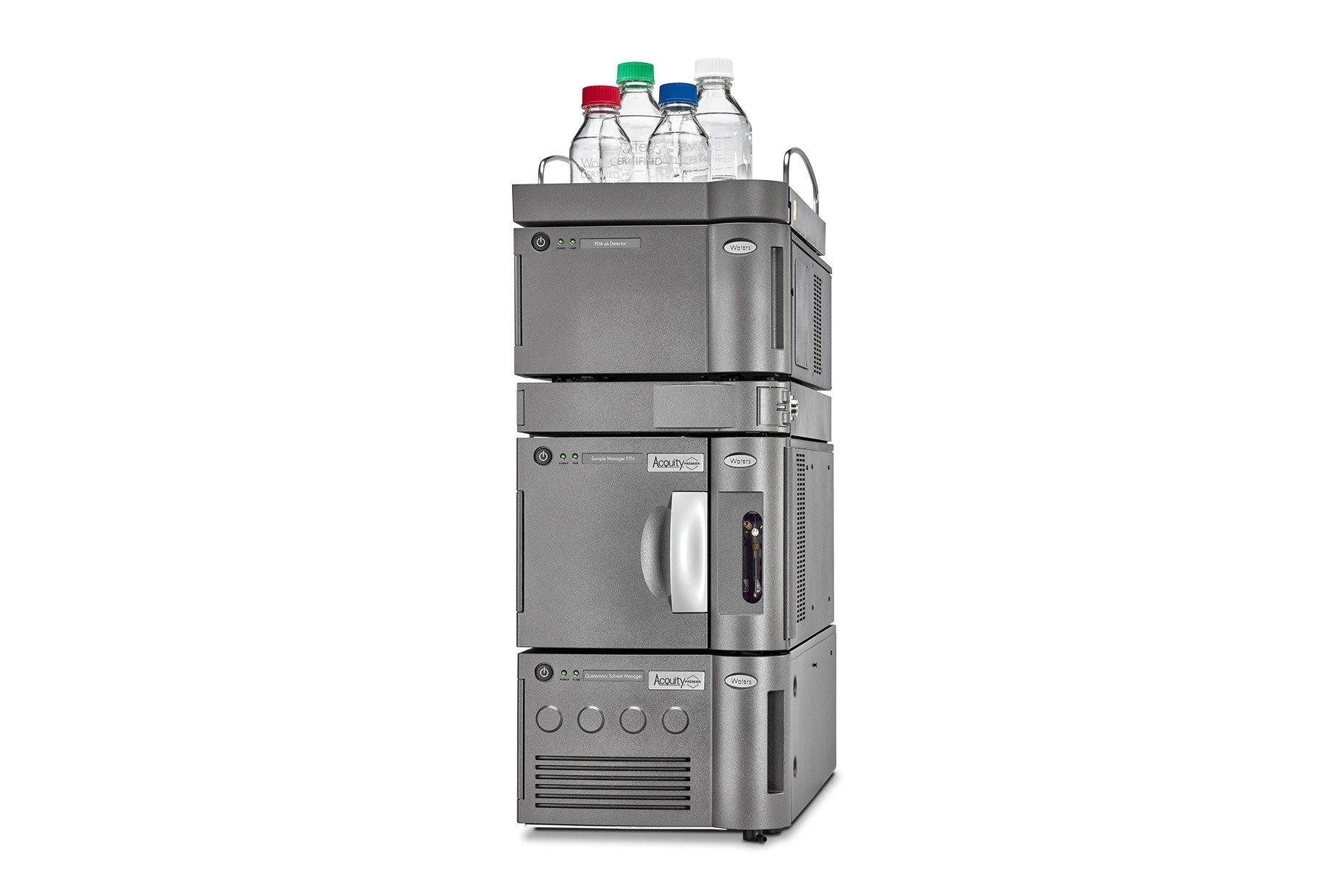
Waters LC and LC-MS systems deliver advanced separations performance and sensitivity for lipid nanoparticles (LNP) and LNP solutions.

Waters LC and LC-MS systems deliver advanced separations performance and sensitivity for lipid nanoparticles (LNP) and LNP solutions.

Efficient composition analysis and monitoring throughout development, manufacturing, and QC

Efficient composition analysis and monitoring throughout development, manufacturing, and QC

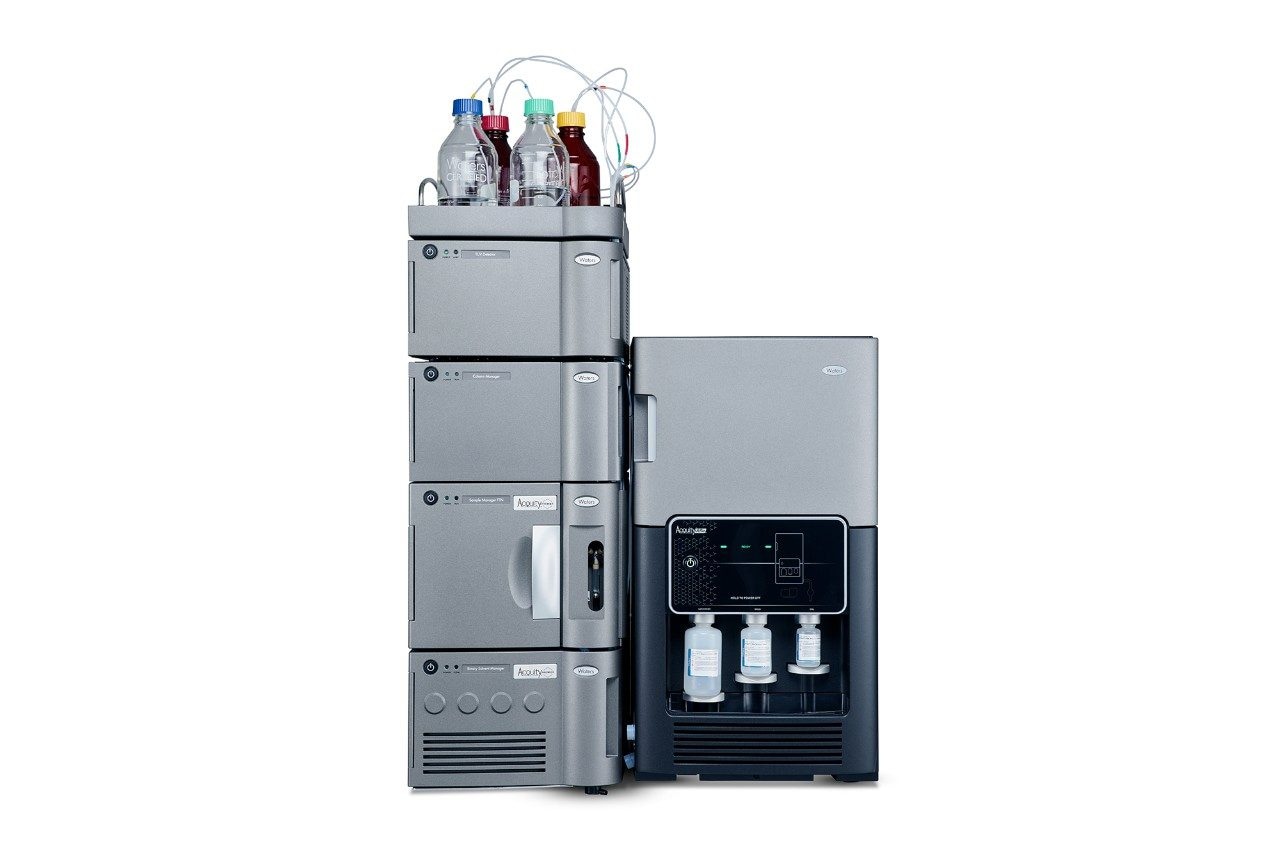
Simplify LNP component analysis with Waters BioAccord LC-MS System with ACQUITY Premier, a fully integrated, compliance-ready platform for lipid nanoparticles deployable from discovery to GxP labs.

  • Lipid Raw Material and LNP Composition Testing

The next evolution in separation science is here

The next evolution in separation science is here

The ACQUITY Premier System features MaxPeak High Performance Surfaces (HPS) Technology, which offers improvements in separation and detection of metal-sensitive analytes, enabling you to minimize the risk of undetected analytes and more consistent analysis of LNP solutions and lipid nanoparticle assemblies.

  • Formulation Screening and Production
  • Lipid Raw Material and LNP Composition Testing
  • Size and Polydispersity
  • Surface Charge and Colloidal Stability Measurements

Addresses the limitations of conventional MS in resolving native intact mega-mass complexes

Addresses the limitations of conventional MS in resolving native intact mega-mass complexes

Enable precise mass analysis of lipid nanoparticles.

  • Size and Polydispersity
  • Formulation Screening and Production
  • LNP Encapsulation

Separate beyond question with the power of mass detection

Separate beyond question with the power of mass detection

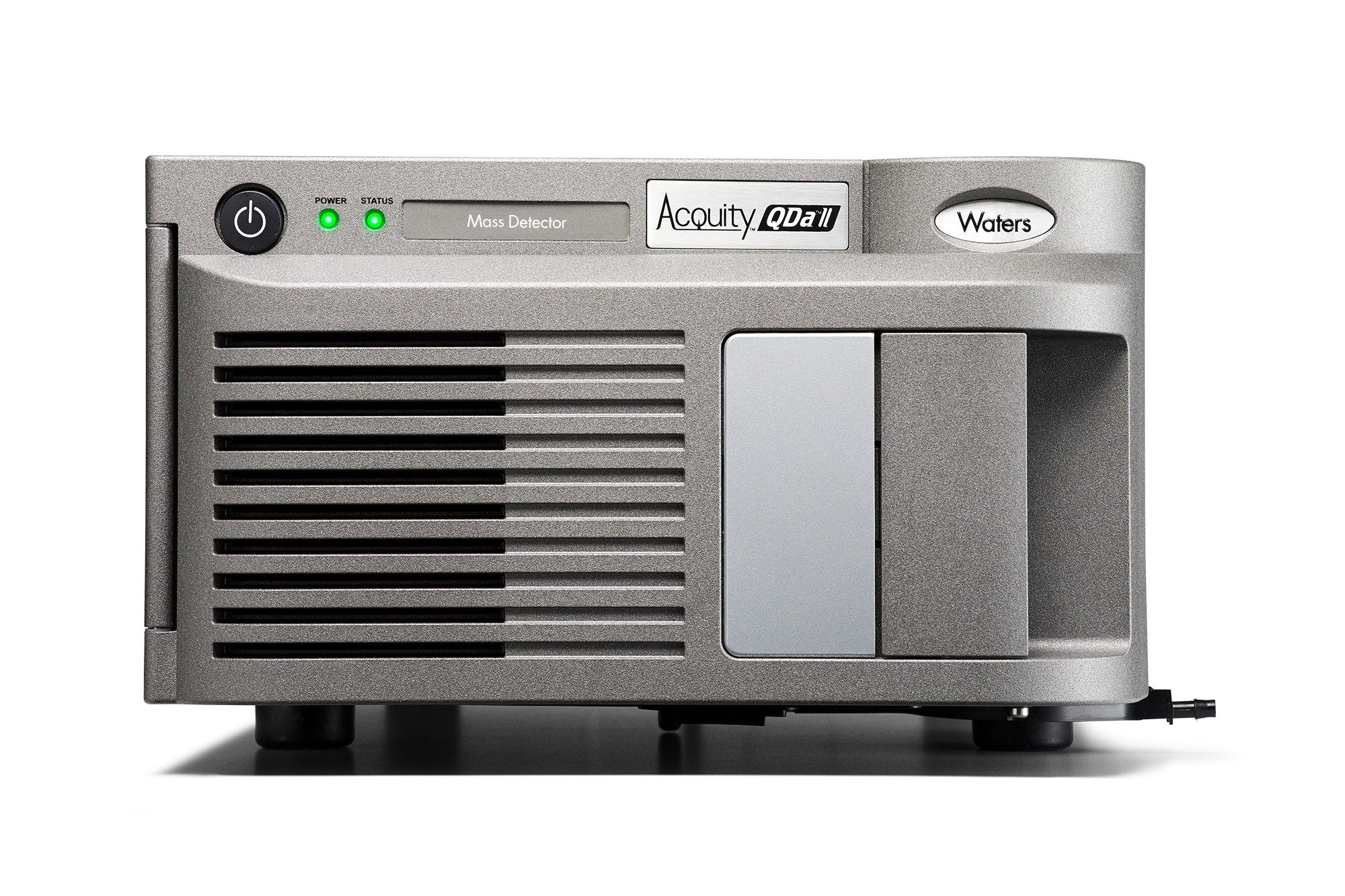
Take single quadrupole performance to the next level with the ACQUITY QDa II Mass Detector that is easy to use, remarkably robust, and complementary to optical detection to confirm and monitor lipid impurities.

  • Lipid Raw Material and LNP Composition Testing

One system. Every analyte. All the time.

One system. Every analyte. All the time.

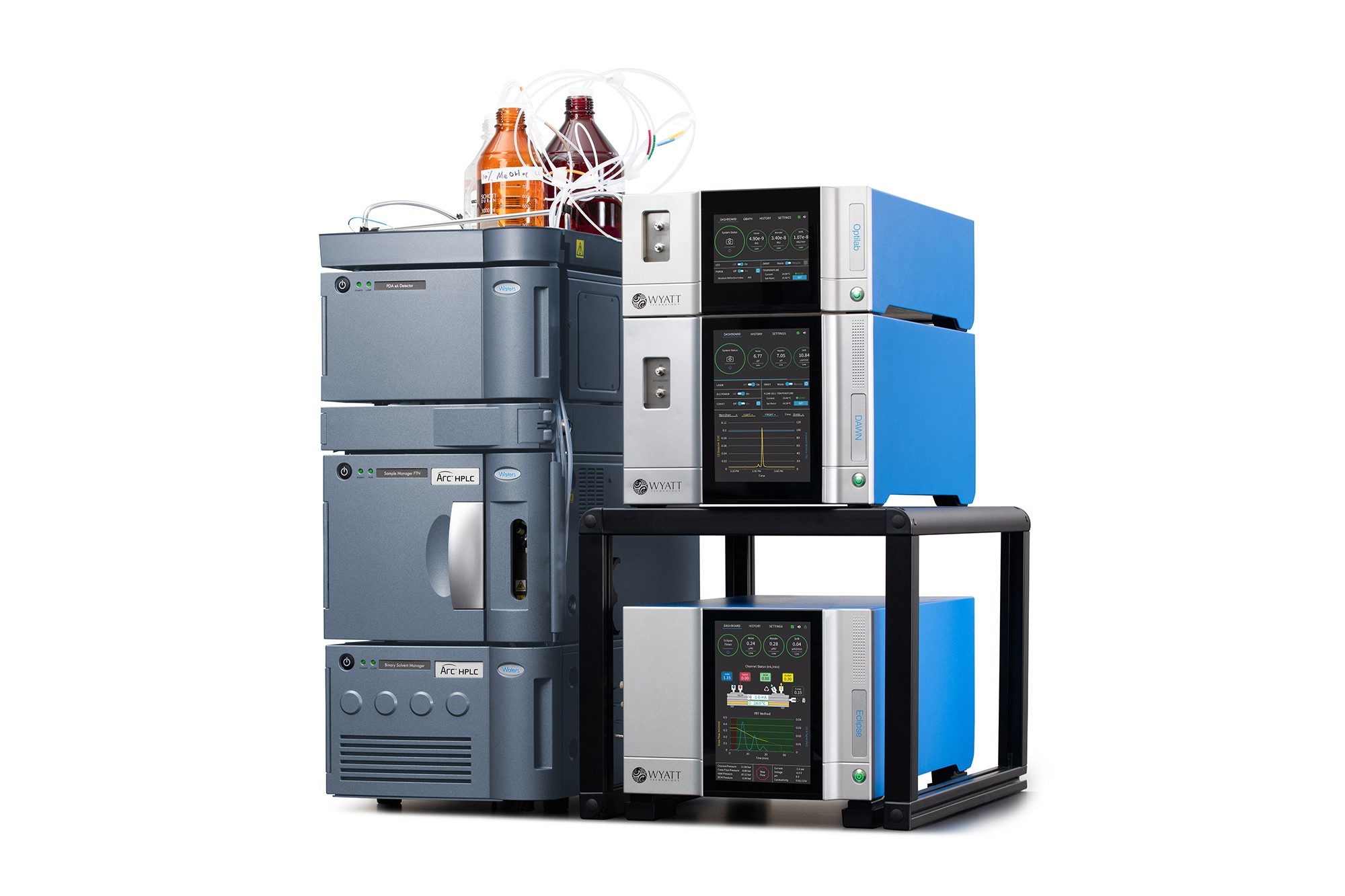
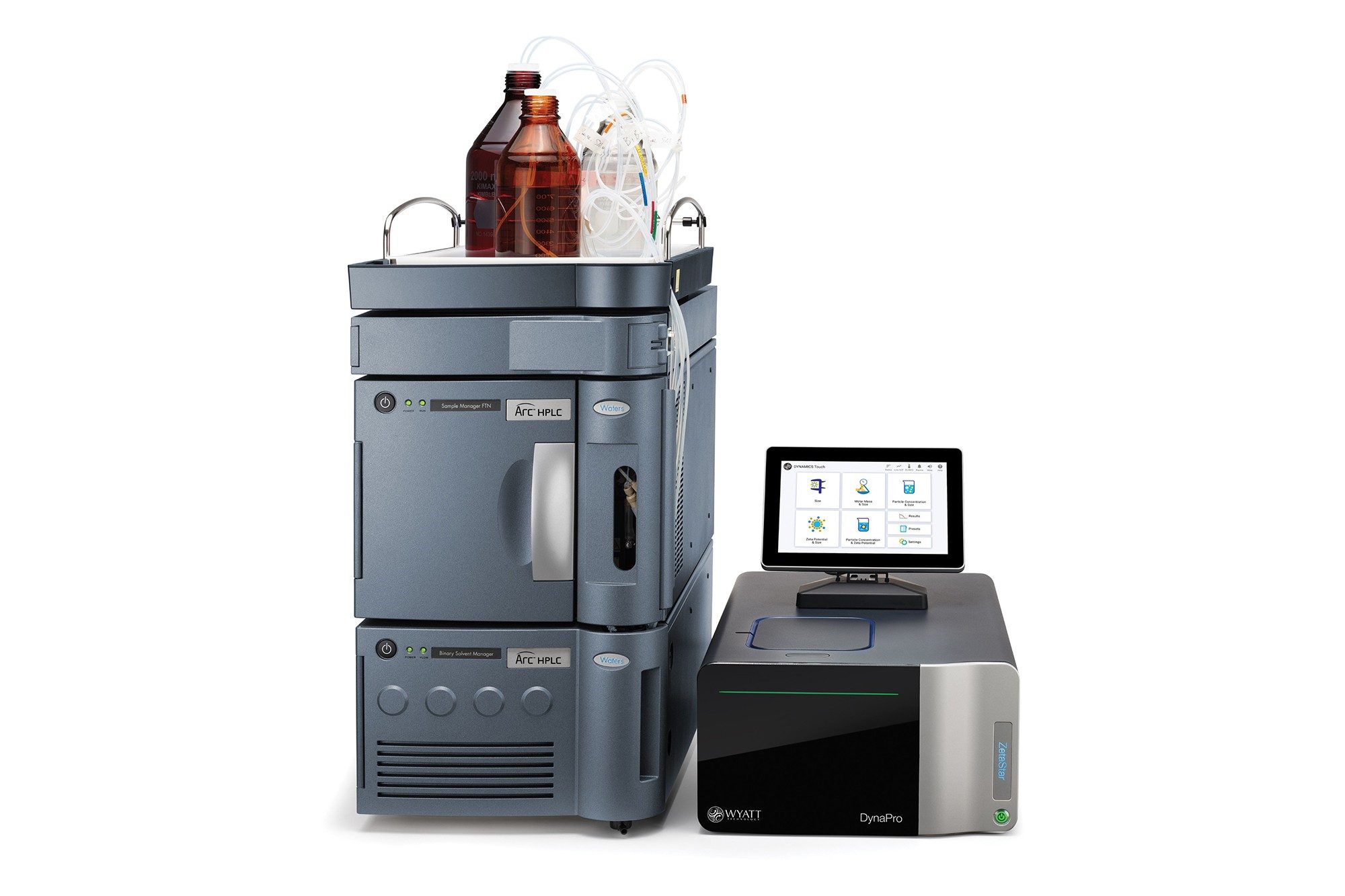
Obtain simultaneous measurement of particle size distribution, encapsulated payload concentration, particle concentration, morphology, and aggregation seamlessly and efficiently with Wyatt Technology’s DAWN-MALS, coupled with the ECLIPSE FFF or Waters Arc HPLC System for LNP solutions.

  • Lipid Raw Material and LNP Composition Testing
  • Size and Polydispersity

Separate mega molecules and nanoparticles from 1 nm - 1000 nm and beyond

Separate mega molecules and nanoparticles from 1 nm - 1000 nm and beyond

Enable high‑resolution, size‑based separation and quantification of key LNP attributes, such as particle size distribution, payload encapsulation efficiency, and concentration.

  • Size and Polydispersity
  • Formulation Screening and Production
  • LNP Encapsulation

Measure size and zeta potential in native buffer

Measure size and zeta potential in native buffer

Conduct DLS, SLS, and ELS all on one platform with the DynaPro ZetaStar instrument that integrates with Waters Arc HPLC System for automated Zeta potential measurement of lipid nanoparticles.

  • Formulation Screening and Production
  • Size and Polydispersity
  • LNP Encapsulation

High-throughput size and stability screening

High-throughput size and stability screening

Measure size, polydispersity and Tagg data for hundreds of samples with as little as 4ul per well in standard microplates with the DynaPro DLS Plate Reader, and process with any liquid handler to boost productivity for lipid nanoparticles.

  • Formulation Screening and Production
  • Surface Charge and Colloidal Stability Measurements

Real-time monitoring for product and process quality

Real-time monitoring for product and process quality

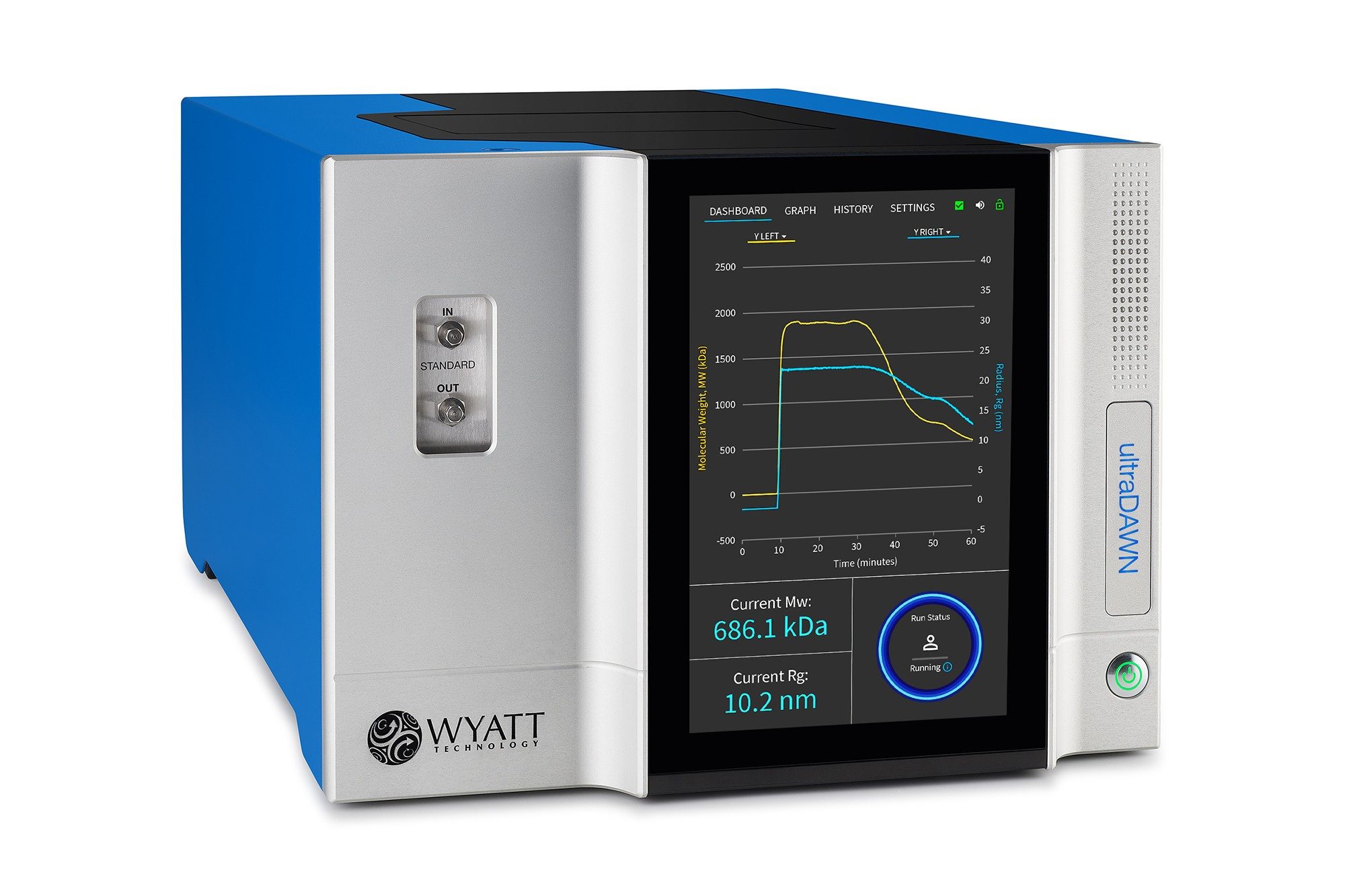
Measure and report molecular weight, size, and particle concentration in real time with ultraDAWN real-time MALS (RT-MALS) for rapid feedback on LNP product and process quality.

  • Formulation Screening and Production
  • Size and Polydispersity

Heat capacity measurements to guide LNP formulation

Heat capacity measurements to guide LNP formulation

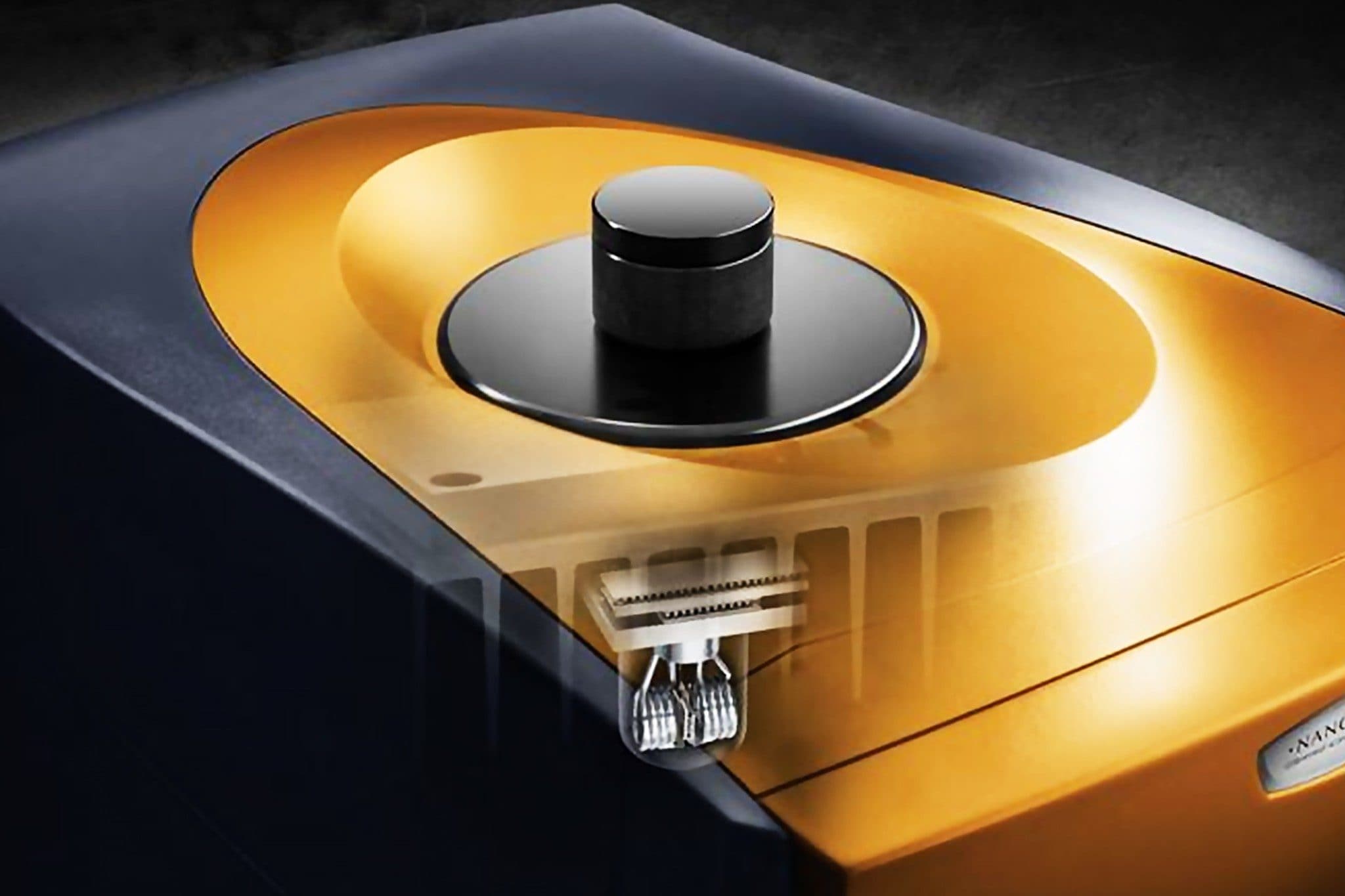
Gain insight on the overall structure and stability of LNPs with the Nano DSC by monitoring temperature induced changes (melting temperature) of dilute in-solution biomolecules. 

  • Formulation Screening and Production

Small Volume Lipid Nanoparticle Analysis

Small Volume Lipid Nanoparticle Analysis

Accurately and thoroughly characterize subvisible particle content of LNPs with volumes as little as 25 µL of sample.

  • Formulation Screening and Production

Waters software streamlines the data acquisition, processing, and reporting of lipid nanoparticle analysis results.

Waters software streamlines the data acquisition, processing, and reporting of lipid nanoparticle analysis results.

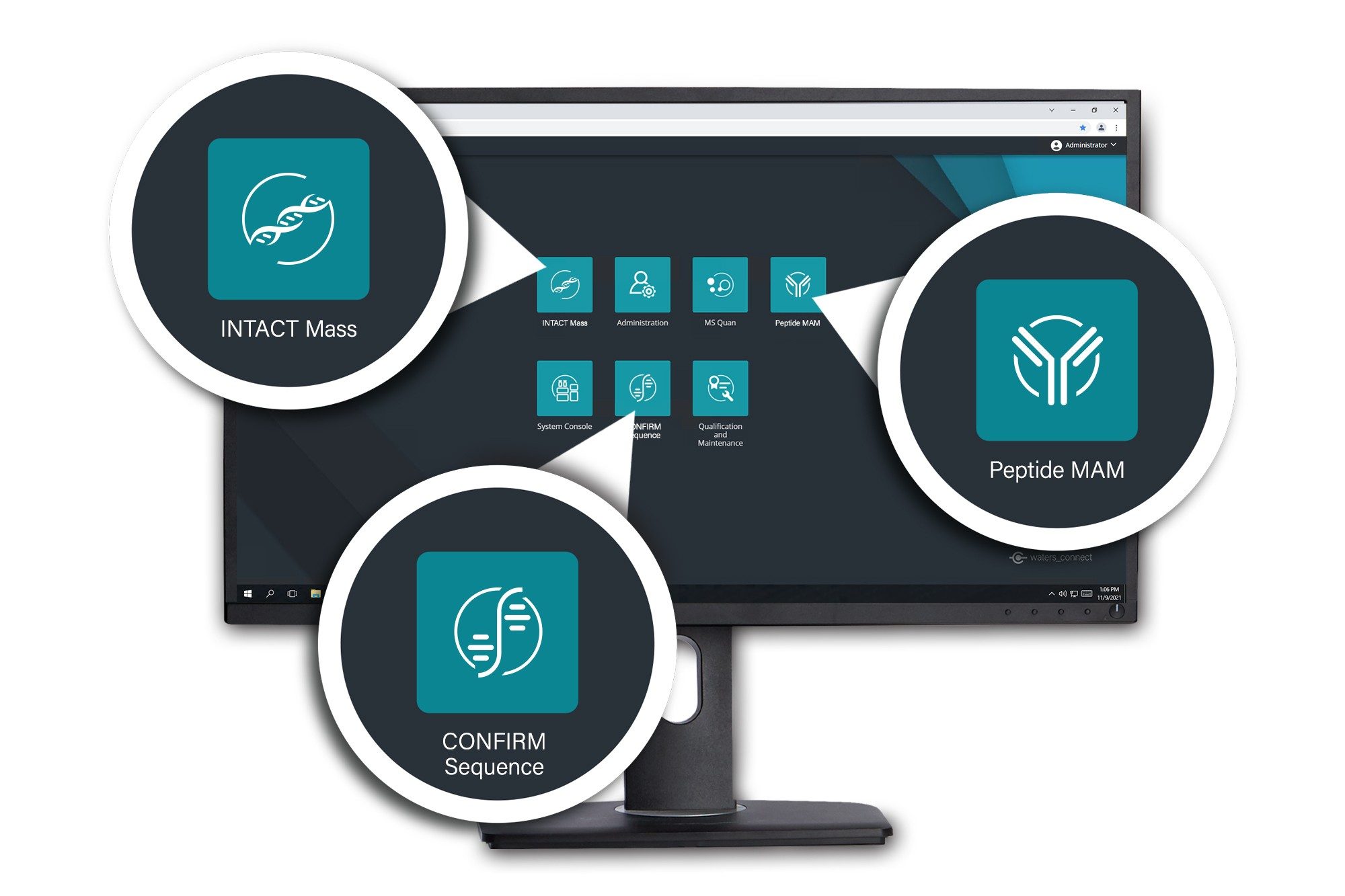
Dedicated waters_connect LNP data workflow package

Dedicated waters_connect LNP data workflow package

Accelerate your journey to informed decision-making with streamlined acquisition and processing methods​, LNP component and impurity characterization workflow​s, compound library​, report templates​, sample data sets​, and user guide.

  • Lipid Raw Material and LNP Composition Testing

Seamless MALS detector and HPLC/UHPLC integration

Seamless MALS detector and HPLC/UHPLC integration

Directly control your LC pumps and detectors in a single software ecosystem and unified interface with HPLC CONNECT for Waters that uses Wyatt Technology’s ASTRA software’s digital synchronization to minimize human error and ensure high confidence in data accuracy for lipid nanoparticles.

  • Formulation Screening and Production
  • Lipid Raw Material and LNP Composition Testing
  • Size and Polydispersity
  • LNP Encapsulation

Match MS spectral peaks with Empower CDS libraries

Match MS spectral peaks with Empower CDS libraries

Users can build MS spectral libraries in Empower CDS for matching spectral peaks from samples that were collected in different projects and under different conditions. Filtering options increase the spectral matching accuracy for LNP solutions.

  • Formulation Screening and Production
  • Lipid Raw Material and LNP Composition Testing
  • Size and Polydispersity

Waters offers a broad range of columns and consumables designed for reproducible and accurate analysis of lipid nanoparticles (LNPs). From MaxPeak Premier CSH Phenyl Hexyl Columns to Atlantis Premier BEH C18 AX Columns, these products improve recovery and resolution of lipid components critical to LNP solutions and lipid nanoparticle workflows. Their inert surfaces minimize analyte loss and maximize data reliability for even the most complex lipid nanoparticles.

Waters offers a broad range of columns and consumables designed for reproducible and accurate analysis of lipid nanoparticles (LNPs). From MaxPeak Premier CSH Phenyl Hexyl Columns to Atlantis Premier BEH C18 AX Columns, these products improve recovery and resolution of lipid components critical to LNP solutions and lipid nanoparticle workflows. Their inert surfaces minimize analyte loss and maximize data reliability for even the most complex lipid nanoparticles.

RPLC columns with unmatched peak shape and reliability

RPLC columns with unmatched peak shape and reliability

Obtain unique selectivity for ionizable cationic lipids, critical to LNP formulations, with MaxPeak Premier CSH Phenyl Hexyl Columns for Lipid Analysis that incorporate Charge Surface Hybrid (CSH) Phenyl Hexyl particles to improve resolution and peak shape.

  • Formulation Screening and Production
  • Lipid Raw Material and LNP Composition Testing

Inert, high efficiency widepore SEC columns

Inert, high efficiency widepore SEC columns

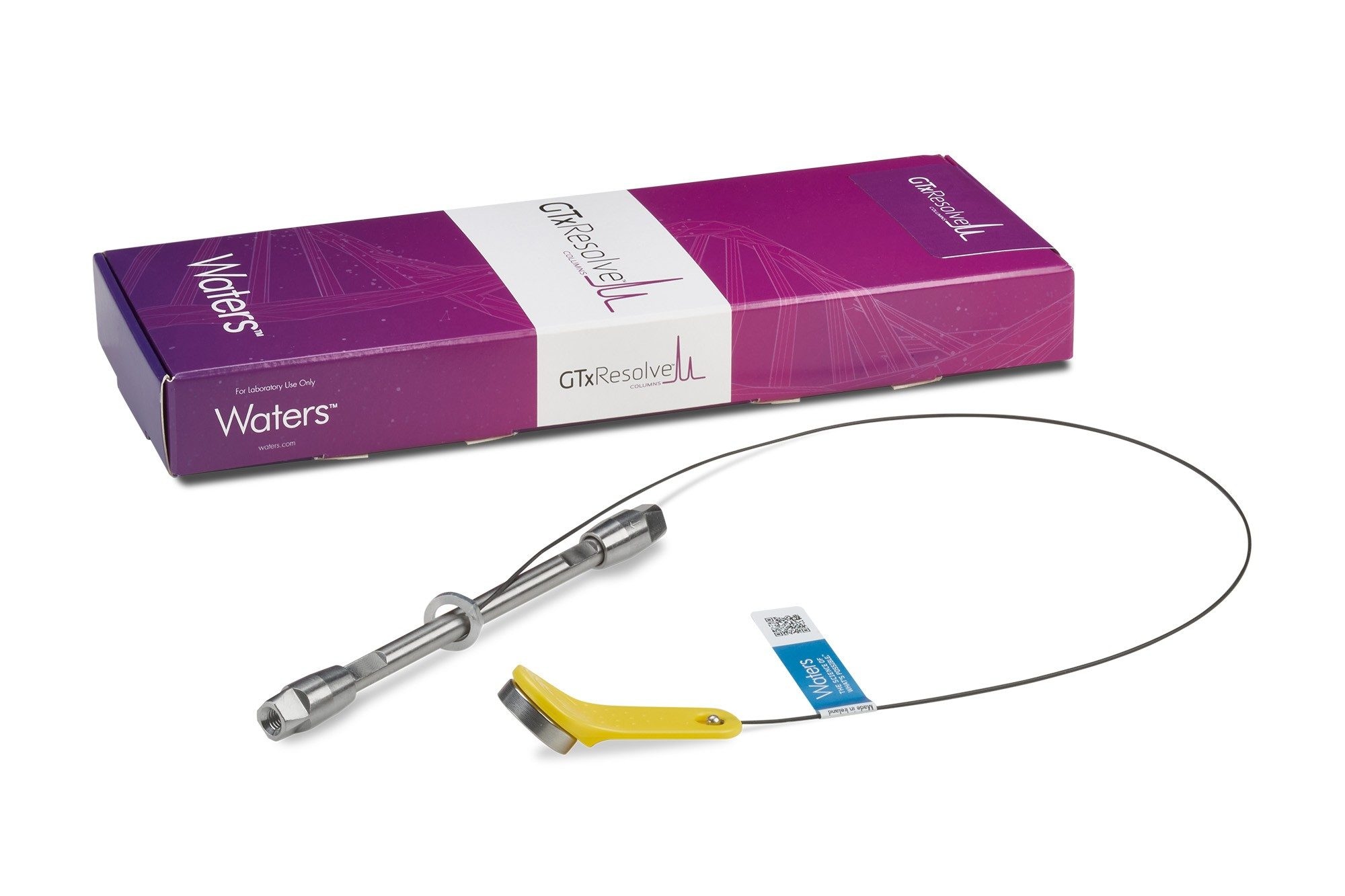
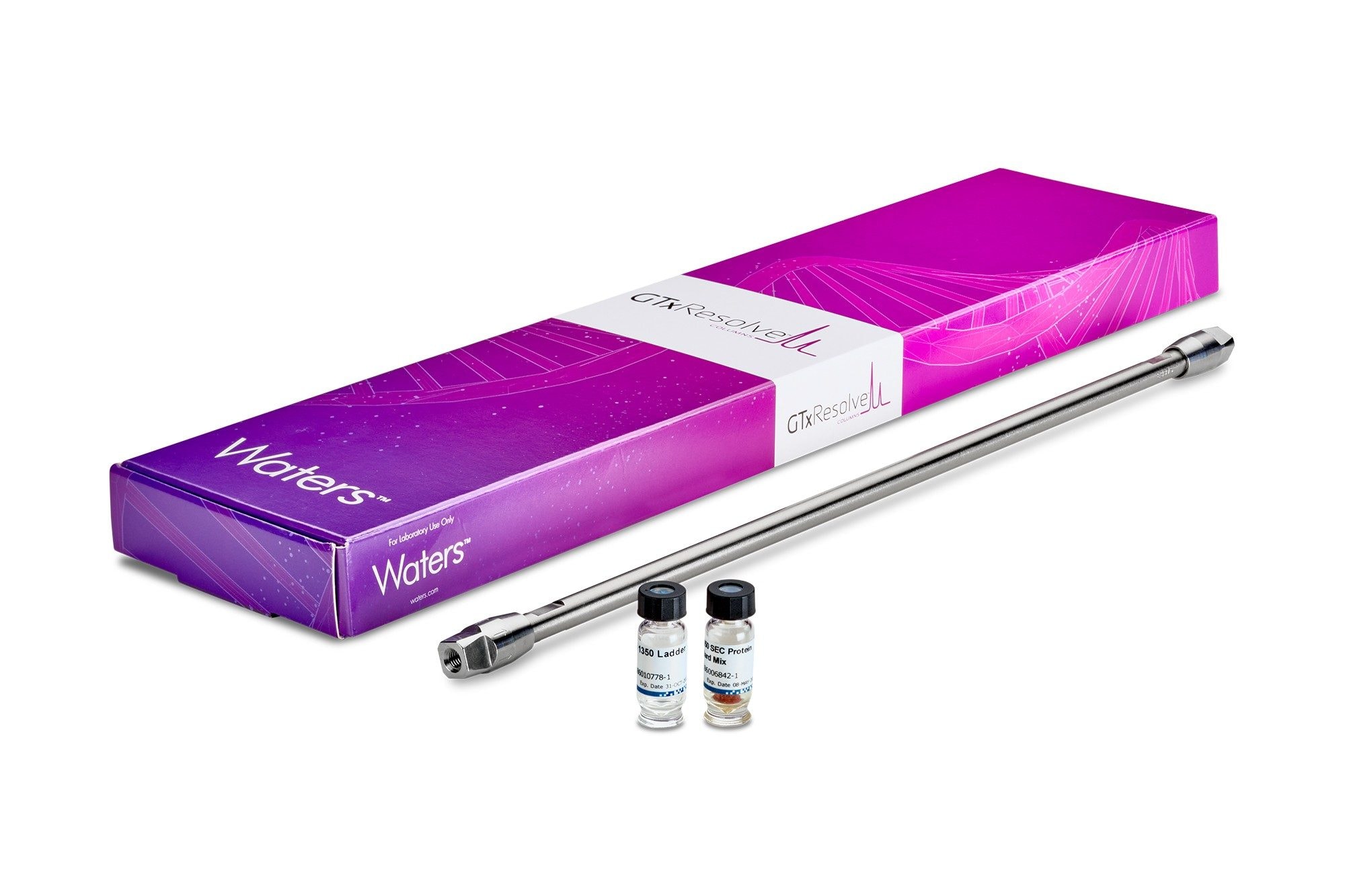
Expand your analytical possibilities with wide-pore GTxResolve SEC columns with MaxPeak Premier High Performance Surfaces hardware and a novel particle technologies that simplify LNP heterogeneity measurements and ensure efficient, high recovery separations.

  • Formulation Screening and Production
  • Size and Polydispersity
  • LNP Deformulation

Orthogonal selectivity and ion pair free column chromatography

Orthogonal selectivity and ion pair free column chromatography

Develop high resolution, ion-pairing free methods for lipid nanoparticles, synthetic oligonucleotides,  nucleic acids, and capsid proteins with HILIC column designed for gene therapy separations.

  • LNP Encapsulation
  • LNP Deformulation

Your success is just a click away

Your success is just a click away

Optimize your laboratory's productivity and success with Waters Global Services. Maintain peak system performance, minimize down time, address application challenges, and support stringent compliance requirements for lipid nanoparticle solutions.

  • Formulation Screening and Production
  • Lipid Raw Material and LNP Composition Testing
  • Size, Polydispersity and Payload Analysis

Make science more accessible with Waters Capital

Make science more accessible with Waters Capital

Maximize resources and minimize risk with payment options from Waters Capital, including upgrading aging equipment, getting customized support, and bundling services into one monthly payment for LNP solutions.

  • Formulation Screening and Production
  • Lipid Raw Material and LNP Composition Testing
  • Size, Polydispersity and Payload Analysis
  • Surface Charge and Colloidal Stability Measurements

The data speaks for itself

The data speaks for itself

Aggregate content in a freshly prepared sample (red) and one which was stored for three months (blue). Top: the light scattering fractograms at 90° scattering angle. Peak 1 is centered around 17 minutes, Peak 2 around 31 minutes. The relative size of the aggregate peak (Peak 2) is significantly larger for the stored sample. Bottom: total particle concentrations, where Peak 2 contains 10 times more particles for the stored sample than for the fresh sample.

(A) Overlay of the effect of heating on Tm. 1st heat scan, red dash and 2nd heat scan, blue line (B) Effect of additives on liposome properties. Black = no cholesterol added, blue = moderate cholesterol percentage incorporated, red = high cholesterol percentage incorporated.


Webinars and Resources

  • eBook

Characterizing LNP mRNA Consumables

Characterizing LNP mRNA Consumables
  • On Demand Webinar

Unveiling CQA Insights for mRNA, LNPs and Viral Vectors by SEC and MALS with GTxResolve Columns

Unveiling CQA Insights for mRNA, LNPs and Viral Vectors by SEC and MALS with GTxResolve Columns
  • On Demand Webinar

LNP Composition & Impurities Analysis with Compliance-Ready LC & LC-MS Workflows

LNP Composition & Impurities Analysis with Compliance-Ready LC & LC-MS Workflows

Related

Waters offers a complete portfolio of liquid chromatography systems, instruments, mass spectrometers, and analytical solutions for nucleic acid research of long-chain varieties (mRNA, ssDNA, dsDNA).

Ensure viral vector quality with Waters LC and MS solutions for characterization and routine analysis.

Waters' robust and convenient analytical workflows for synthetic oligonucleotide characterization and monitoring ensure process understanding and product quality.

Learn more about Lipid Nanoparticle Solutions.

Learn more about Lipid Nanoparticle Solutions.

Characterize LNPs to ensure product safety and efficacy.
Back To Top Back To Top