Environmental Sustainability​

Environmental Sustainability​

We share a commitment with our customers to solve problems that matter—starting with how we manage our environmental footprint. By integrating sustainability into our operations, product design, and supply chain, we address our most significant environmental impacts. These efforts fuel innovation, reduce risk, and ensure readiness for evolving regulatory expectations.

Read more in our 2024 Sustainability Report

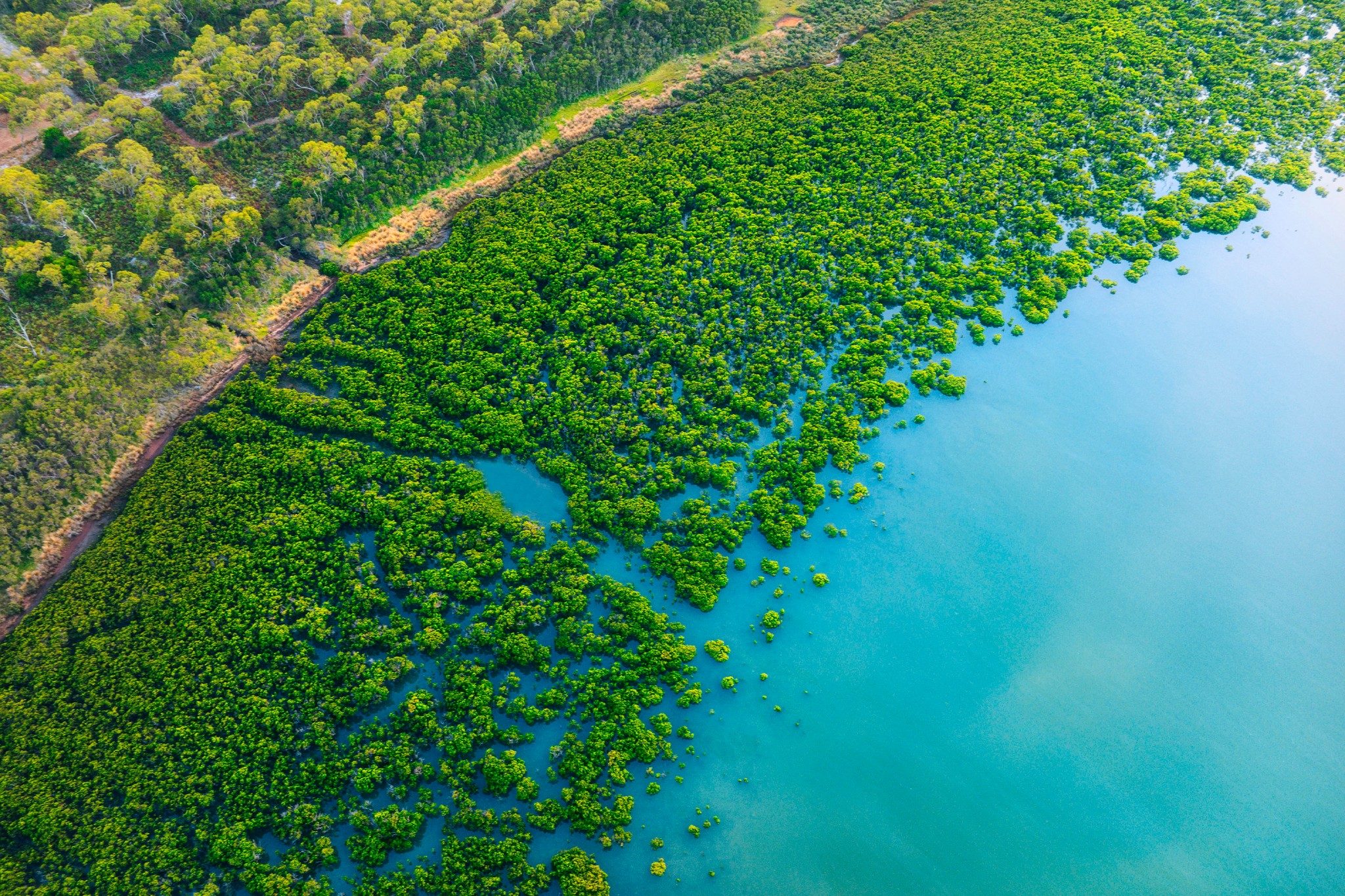
Aerial view of a bayou in Blind Bight, Victoria, Australia

Operations​

Waters integrates sustainability into its operations to drive efficiency, reduce emissions, and strengthen long-term resilience. We set site-level energy and water efficiency targets at our largest manufacturing facilities, achieving reductions in electricity, natural gas, and water use—while lowering operating costs. We're expanding renewable energy use, transitioning our service fleet to hybrid and electric vehicles, and applying green building standards across key locations, including LEED- and BREEAM-certified facilities. We also continue to reduce water intensity and maximize landfill diversion as part of our broader environmental strategy.

Supply Chain​

We are enhancing supply chain transparency and resilience through data-driven decisions—working with local suppliers to reduce emissions, strengthen partnerships, and improve operational efficiency. These efforts help us streamline operations, reduce waste, and ensure our products meet expectations for quality, availability, and environmental responsibility.

Products​

We integrate sustainability into product design and development to reduce environmental impact and help customers meet their own goals. Several Waters products, including the Xevo TQ Absolute Mass Spectrometer and ACQUITY Premier Chromatography Columns, have earned ACT Environmental Impact Factor Labels for their energy efficiency and reduced resource use. These innovations support lower emissions, improved lab performance, and more sustainable operations across the product lifecycle.


The ACT Label

Waters has designed many of its products to maximize your lab’s sustainability efforts and complete the rigorous process to earn the ACT Environmental Impact Factor Label.


Brazilian spinach, sissoo spinach, samba lettuce

Our Progress​

In 2023, we achieved our 2025 goal of reducing Scope 1 and 2 GHG emissions by 35%—two years ahead of schedule. This early achievement reflects the effectiveness of site-level energy audits, targeted efficiency initiatives, and continuous performance monitoring across our operations.

To continue our commitment to reducing our emissions, in 2025, we set new near-term and long-term targets that were validated by the Science Based Targets initiative (SBTi). We commit to achieve net-zero greenhouse gas emissions across our value chain by 2050. As part of this plan, we commit to:

  • Near-Term: Reduce absolute Scope 1 and 2 GHG emissions 42.0% by 2030 from a 2024 base year.* Reduce Scope 3GHG emissions from Use of Sold Products by 51.6% per U.S. dollar value added within the same timeframe. Further, 60.02% of our suppliers by spend covering purchased goods and services, will have science-based targets by 2030.
  • Long-Term: Reduce absolute Scope 1 and 2 GHG emissions 90.0% by 2050 from a 2024 base year.* Reduce Scope 3GHG emissions from Purchased Goods and Services, Upstream Transportation and Distribution, and Use of SoldProducts by 97.0% per U.S. dollar of value added within the same timeframe. ​

These targets help guide future decision-making and help ensure our approach aligns with emerging climate standards, industry benchmarks, and stakeholder priorities. Our SBTi-aligned strategy will also support long-term cost savings, operational resilience, and readiness for future regulatory requirements.

* The target boundary includes land-related emissions and removals from biogenic feedstocks. 

simple line drawing of a lightbulb

6,500+

Over 6,500 fixtures replaced with LEDs in 2024, saving 1,000,000+ kWh annually

Line drawing of a battery with a lightning bolt in the middle

71%

 71% of electricity came from renewable and clean energy sources

Line drawing of two hands with a plant in between them

50%

50% reduction in polybag usage in our instrument startup kits

Line drawing of a vehicle with a battery below it

72%​

 72% of our EMEA fleet vehicles are electric vehicles or plug-in hybrids

Back To Top Back To Top