
Forensic Toxicology Data-Independent Analysis Screening Using Xevo MRT Mass Spectrometer Delivering Routine Parts-per-Billion (ppb) Mass Accuracy
Nayan Mistry, Gareth Hammond, Rachel Lieberman, Victoria Starkie
Waters Corporation, United States
Published on February 04, 2026

This is an Application Brief and does not contain a detailed Experimental section.
For forensic toxicology use only.
Abstract
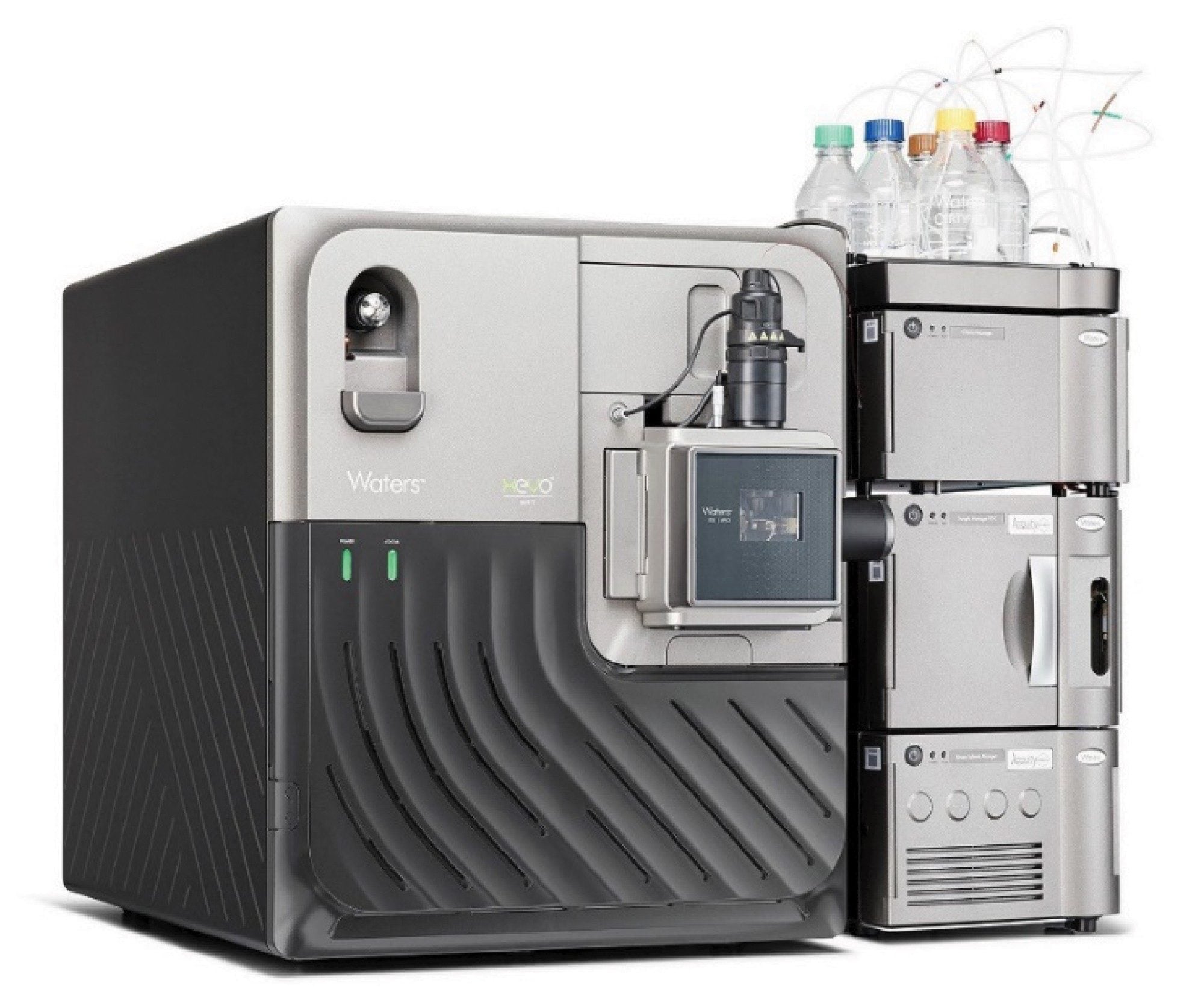
Forensic toxicology laboratories require rapid, accurate, and cost-effective screening of complex biological samples. The Xevo™ MRT Mass Spectrometer is a novel multi-reflecting, quadrupole time-of-flight (QTof) mass spectrometer that delivers routine parts-per-billion (ppb) mass accuracy, enabling high-confidence identification of drug substances and toxicants. This application brief demonstrates how the Xevo MRT Mass Spectrometer enhances data independent analysis (DIA) workflows, improves specificity, and streamlines operations through guided informatics, reducing false positives and accelerating case turnaround.
Benefits
- Routine ppb mass accuracy for high-confidence identification of drug substances and toxicants, reducing ambiguity in toxicology screening.
- Broad dynamic range and exceptional sensitivity allowing laboratories to efficiently detect a wide spectrum of substances in complex biological matrices.
- Operational efficiency and cost savings through streamlined workflows and accelerated reporting, achieving confident high-quality results.
- Guided workflows in waters_connect™ Software and UNIFI™ Application that improve consistency and enable less experienced analysts to deliver reliable results.
Introduction
Modern toxicology laboratories must screen for a wide range of substances in complex biological matrices, often under tight time constraints and budgetary pressures. Traditional methods, such as immunoassay, may lack the specificity required to confidently identify analytes, leading to increased confirmation testing and longer turnaround times. Broadband DIA, combined with post-acquisition targeted processing, has become the preferred strategy for forensic toxicology screening. Leveraging high-resolution mass spectrometry (HRMS), DIA provides an unbiased dataset for comprehensive sample profiling. The Xevo MRT Mass Spectrometer introduces a step-change in specificity and confidence through routine ppb-level mass accuracy.
Workflow Overview
Sample Preparation
A system suitability test (SST) mix was prepared at 25 ng/mL in 5 mM ammonium formate (pH 3) (mobile phase A). Ten anonymized authentic urine samples were prepared by diluting 1:10 with mobile phase A.
Instrumentation
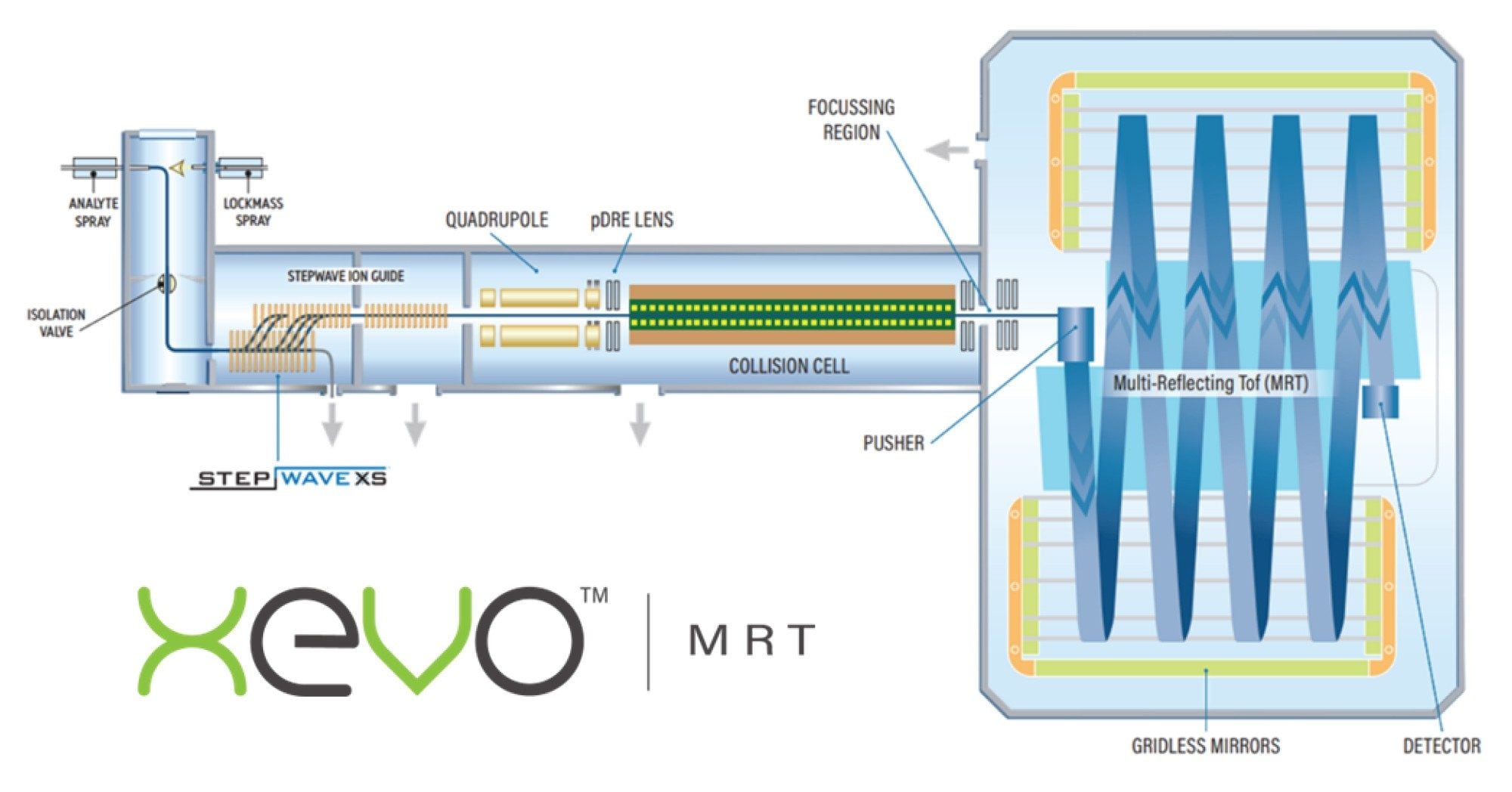
Waters ACQUITY UPLC I-Class (SM-FTN) PLUS System using a 15-minute gradient elution was coupled with the Xevo MRT Mass Spectrometer. Screening was performed using the Forensic Toxicology Screening Solution in MSE mode with ESI+ ionization.
Acquisition: MSE (DIA) Mode
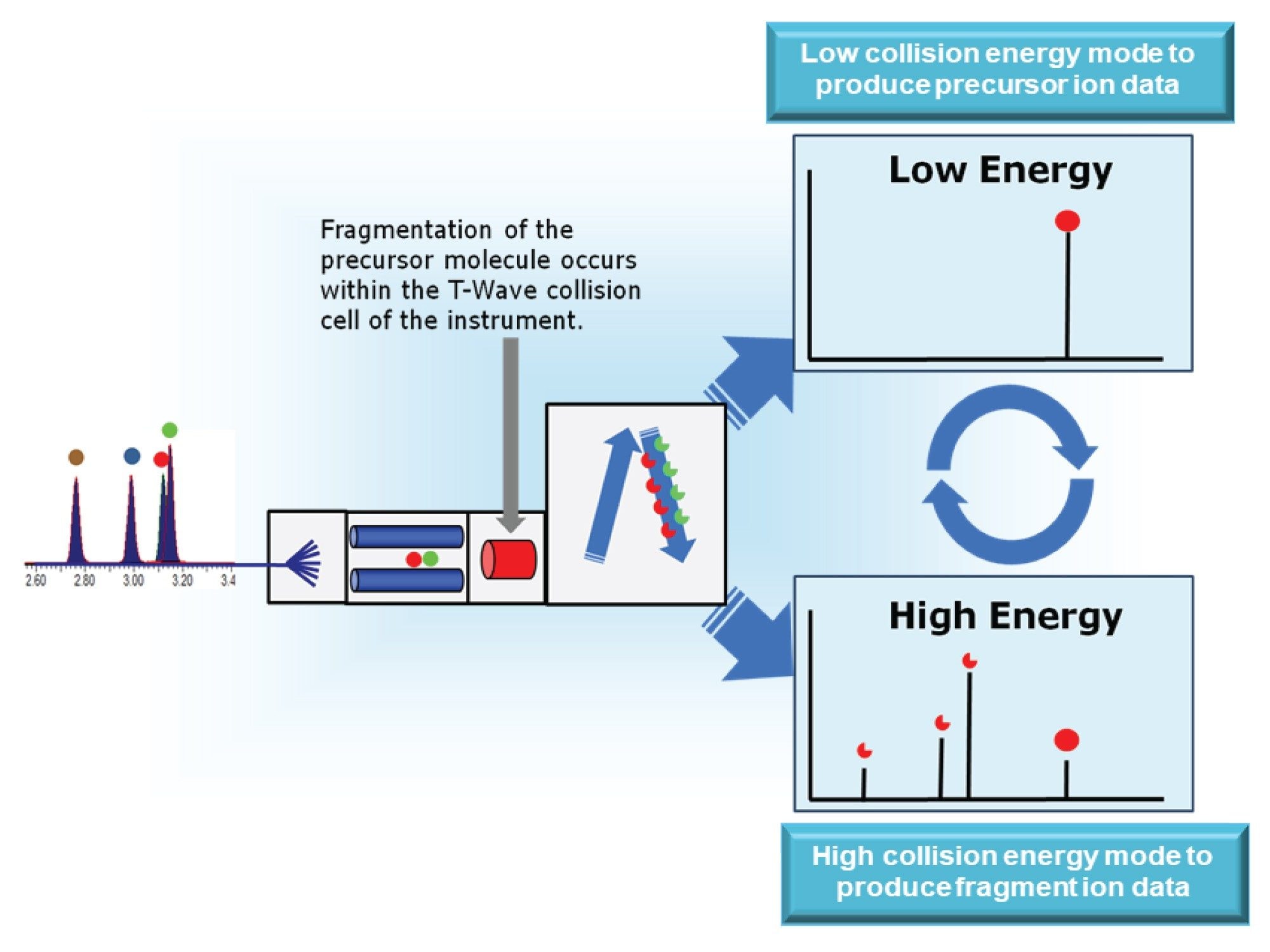
MSE is a DIA acquisition mode that alternates between low and elevated collision energy scans, without precursor selection. This approach collects intact precursor ion data in the low-energy function and comprehensive fragment ion data in the high-energy function for the entire mass range. The resulting dataset enables unbiased screening, robust library matching, and confident identification from a single injection. The forensic toxicology workflow uses waters_connect Software and UNIFI Application to turn complex data into actionable insights through guided workflows that simplify setup, reduce training time, and ensure consistency. It automates peak detection, deconvolution, and mass accuracy (precursor mass ≤2 ppm and fragment ions ≤0.2 mDa) checks to minimize manual review and accelerate reporting of results. With a comprehensive library of 2,000+ drugs and metabolites, reliable confidence scoring based on retention time and ppb-level mass accuracy, and built-in compliance via standardized processes, it delivers defensible, reproducible results.
Results and Discussion
Screening identified both illicit and non-illicit drug substances based on retention time, presence of a precursor mass and product ions, and ppb-level mass accuracy criteria. The combination of Xevo MRT Mass Spectrometer acquisition and UNIFI Application processing provided high selectivity and minimized ambiguity in complex urine matrices.
High Mass Accuracy Performance
For 160 precursor ion detections spanning m/z 122–478, the root mean square (RMS) mass error was 571 ppb, with 94% of ion detections within 1 ppm (Figure 4).
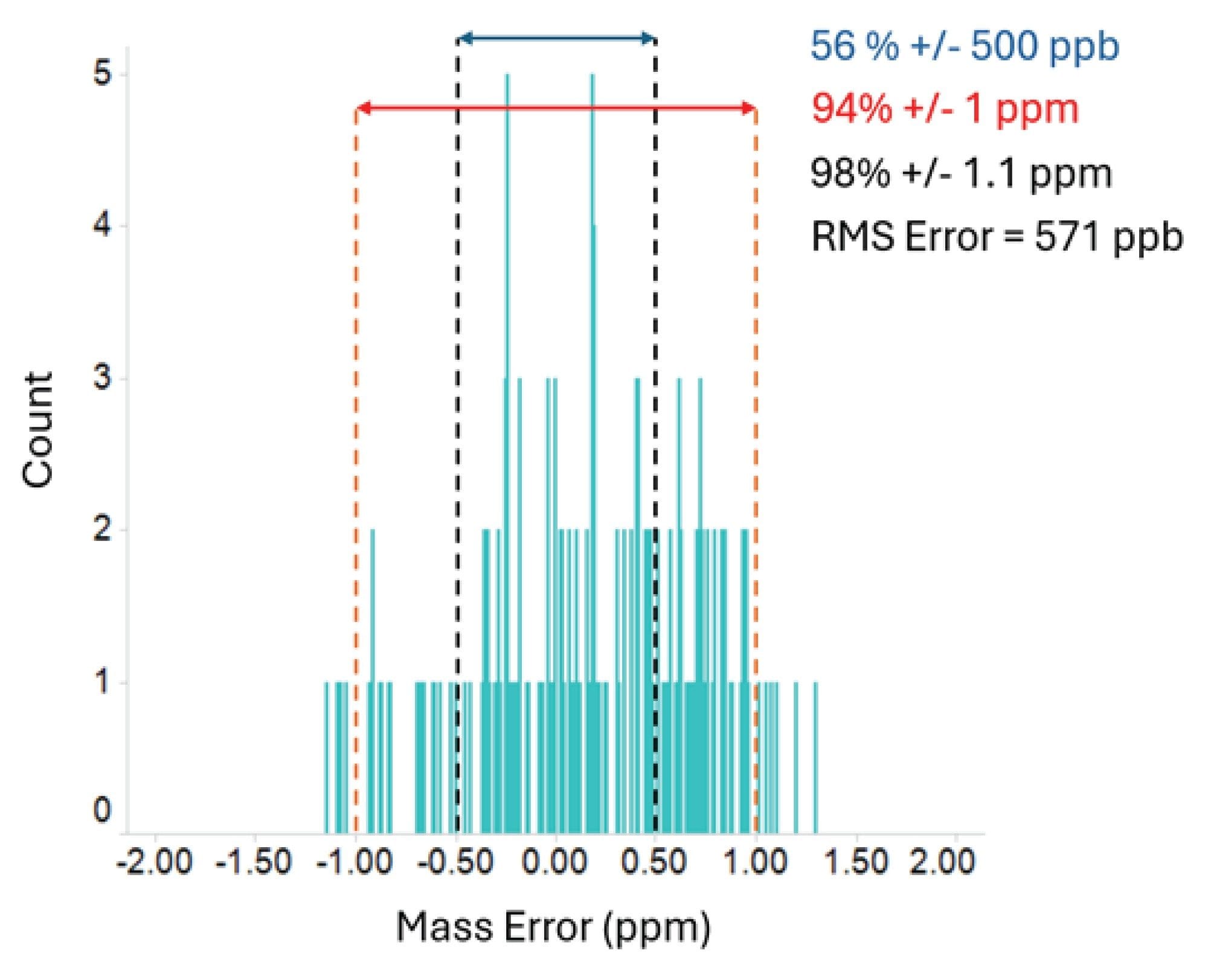
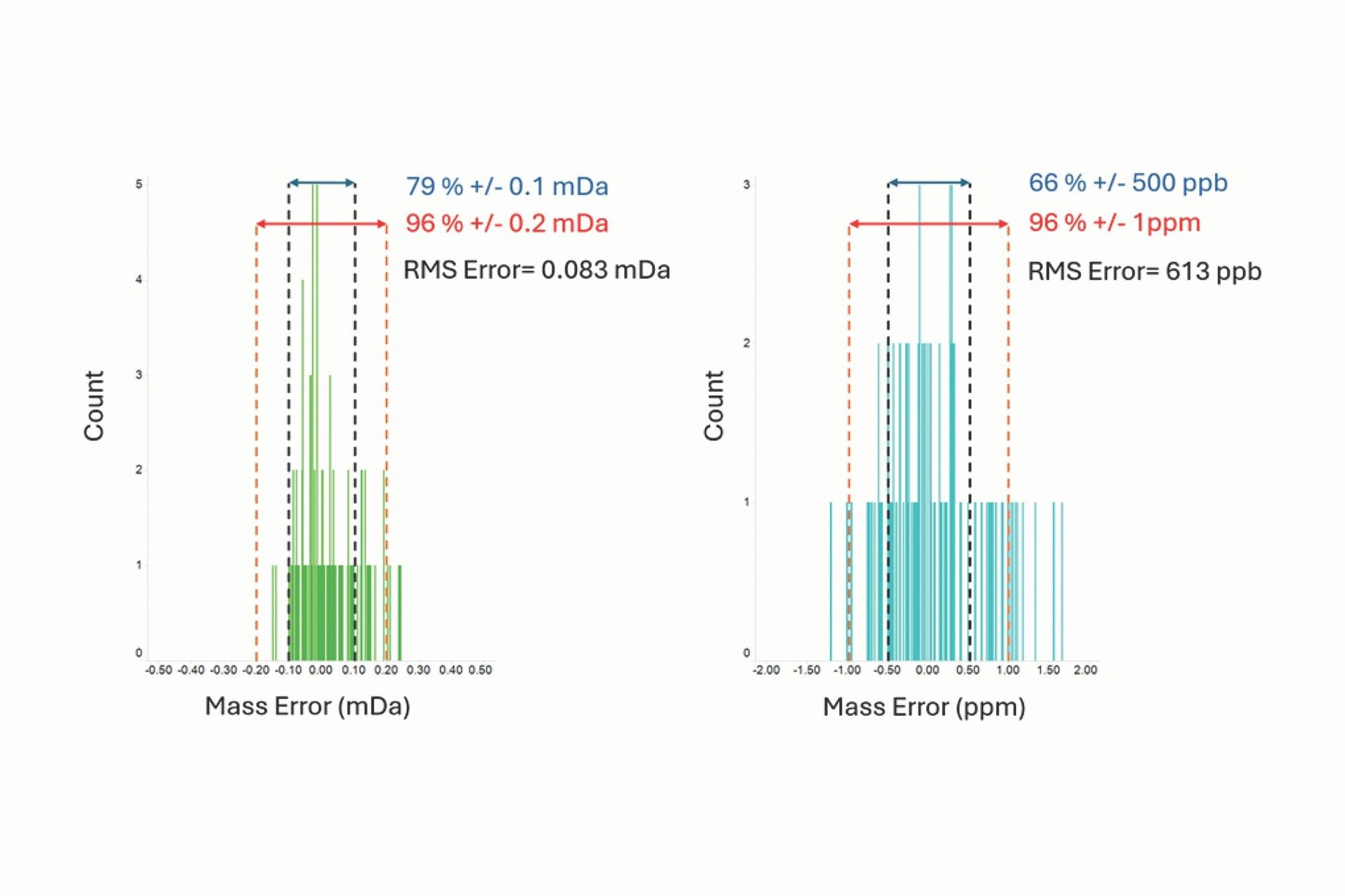
For product ions (92 fragments from 23 randomly selected substances) spanning m/z 80–268, 96% of mass detections were within 1 ppm across the mass range. These results illustrate the routine ppb mass accuracy obtainable with the Xevo MRT Mass Spectrometer and underscore the reliability of identification criteria in the forensic toxicology screening workflow (Figure 5).
Operational Efficiency and Reduction of False Positives
Routine ppb mass accuracy substantially reduces false positives by tightening identification tolerances and requiring corroboration from product-ion evidence. In practice, this reduces the need for secondary confirmation testing, shortens reporting timelines, and lowers outsourcing costs.
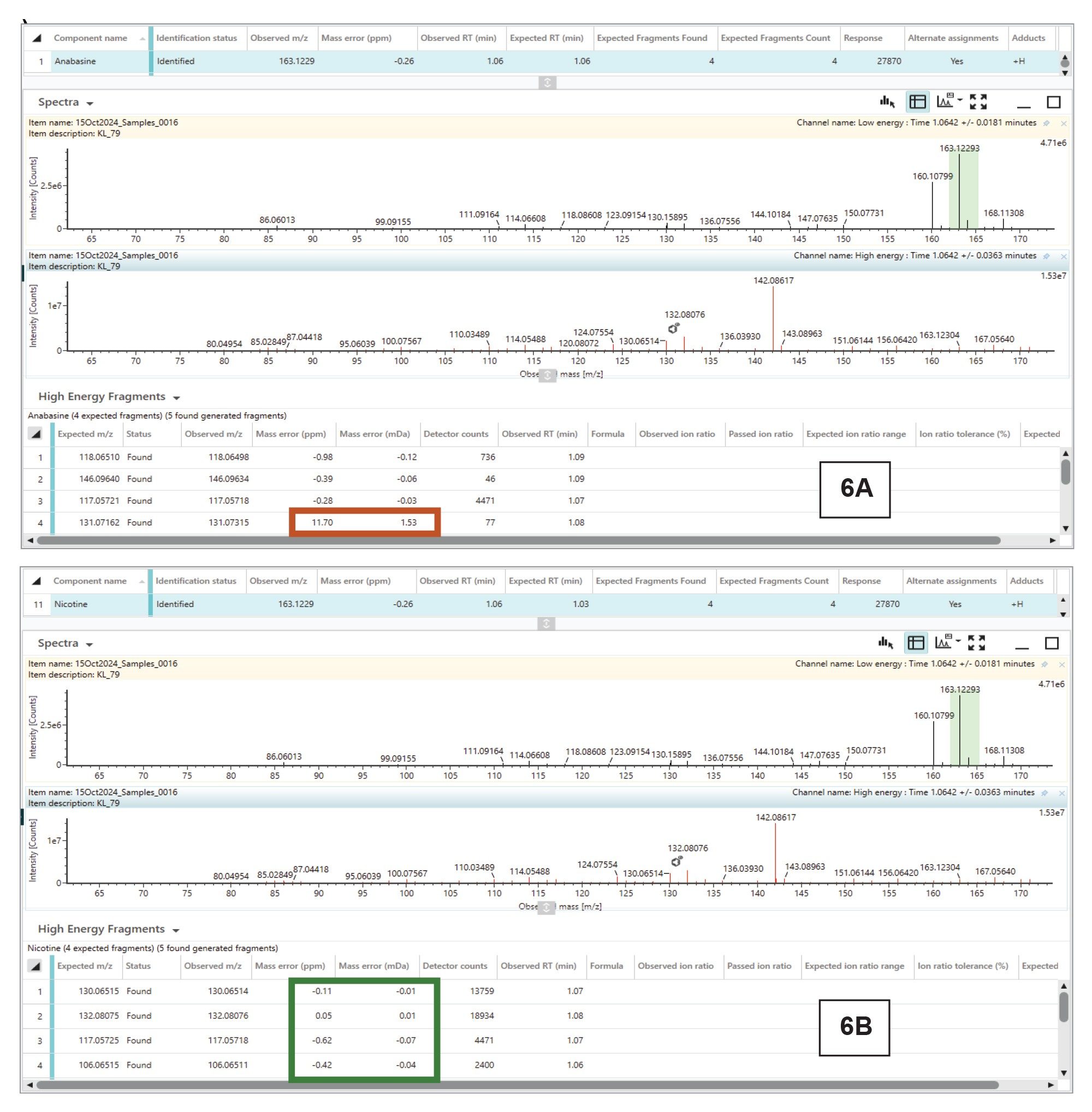
Figure 6 illustrates how tightening fragment-ion tolerances prevents false positive identifications. Initially, anabasine appears as the ‘best match’ because its retention time falls within the ±0.35-minute tolerance and its precursor and fragment ions meet the original mass accuracy thresholds of ≤2 ppm and ≤2 mDa, respectively (Panel 6A). One fragment ion at m/z 131.07162, with a mass error of 1.5 mDa (highlighted), supports this match, but could represent a false positive. When the fragment-ion tolerance is tightened to ≤0.2 mDa, this fragment is excluded, leaving only three of the four expected fragments for anabasine. As a result, nicotine, previously an alternative assignment, becomes the ‘best match’, with all its expected fragment ions meeting the stricter ≤0.2 mDa criterion, as shown in Panel 6B. Thus, this demonstrates how applying more stringent tolerances improves confidence and prevents incorrect assignments that would otherwise require confirmatory testing.
The Xevo MRT Mass Spectrometer enables laboratories to streamline screening workflows by combining DIA (MSE) acquisition with ppb mass accuracy and guided informatics. Enhanced specificity improves data quality and analyst confidence while reducing manual review burden. Lower rates of false positives diminish the reliance on costly confirmatory testing and outsourcing, accelerating case resolution and improving operational sustainability. Furthermore, the environmental impact is reduced through fewer consumables and minimized sample transport. Together with shorter workflows and consolidated analyses, laboratories benefit from long-term sustainability and cost-efficiency.
Conclusion
The Xevo MRT Mass Spectrometer represents a transformative leap forward in forensic toxicology screening. By delivering routine ppb mass accuracy within DIA (MSE) workflows and pairing these capabilities with guided processing in waters_connect Software and UNIFI Application, laboratories achieve unparalleled analyte selectivity and confidence. This precision not only reduces false positives and minimizes the need for costly confirmation testing, but also accelerates case turnaround times— critical for high-throughput laboratories operating under time and budget pressures. Adopting the Xevo MRT Mass Spectrometer supports sustainable operations, lowers consumable usage, and enhances analyst productivity, enabling faster, more dependable results that reinforce scientific rigor and deliver meaningful impact for public health and justice.
Contact Waters today to learn how the Xevo MRT Mass Spectrometer can transform your forensic toxicology workflows.
References
- N. S. Mistry, L. J. Calton, J. Cooper. The Utility of MSE for Toxicology Screening with waters_connect and the Xevo G3 QTof Mass Spectrometer. Waters Application Note. 720008045. Sept 2023.
- N. S. Mistry, L. J. Calton, J. Cooper. The Ultimate Forensic Toxicology Screening Companion— Xevo G3 QTof. Waters Application Note. 720008033. Sept 2023.
720009219, February 2026


