

Adapte todos sus flujos de trabajo analíticos con los equipos y accesorios de cromatografía diseñados para los sistemas de UPLC/UHPLC, HPLC, especializados y de purificación de Waters. Las bombas de purificación, los sistemas de gestión de eluyentes, las válvulas de conmutación y las soluciones de gestión de muestras constituyen componentes esenciales de la cromatografía líquida que ayudan a mejorar la eficiencia del laboratorio, el rendimiento del sistema y la calidad de datos.
Para ver los componentes y accesorios de UPLC/UHPLC de Waters o los componentes y accesorios de HPLC, visite nuestra tienda https://www.waters.com/nextgen/global/shop/shop-all-products.html.
.jpg.82.resize/img.jpg)


Chromatography pumps, parts, and extras are essential components of chromatographic systems, crucial for sorting and studying chemical compounds in different samples. Let's check each aspect here:
Chromatography Pumps: These are like the engines of chromatography systems, responsible for precisely delivering the mobile phase at the right flow rate and pressure to separate sample components. There are different types of chromatography pumps:
Isocratic pumps: These maintain a constant composition of the mobile phase throughout the analysis.
Gradient pumps: They enable the gradient elution method, where the composition of the mobile phase changes over time for better separation.
Dual pumps: These systems can handle two solvents simultaneously, allowing for more complex chromatographic methods.
The pumps must ensure precise and consistent flow rates and pressures to achieve reproducible separations and dependable results.
Components: Chromatography systems consist of various parts, each contributing to overall performance and efficiency:
Injector: This is where samples enter the chromatographic system. It should deliver accurate and reproducible injections for reliable results.
Column: It's where the actual separation of sample components occurs. Columns vary in size, material, and stationary phase chemistries to suit different analytical needs.
Detector: These monitor the eluent leaving the column and detect separated components. Different detectors, like UV-Vis, fluorescence, or mass spectrometry, provide varying information about the sample components.
Accessories: These extras enhance the performance, versatility, or ease of use of chromatographic systems:
Degassers: They eliminate dissolved gases from the mobile phase to prevent bubble formation and ensure stable pump performance.
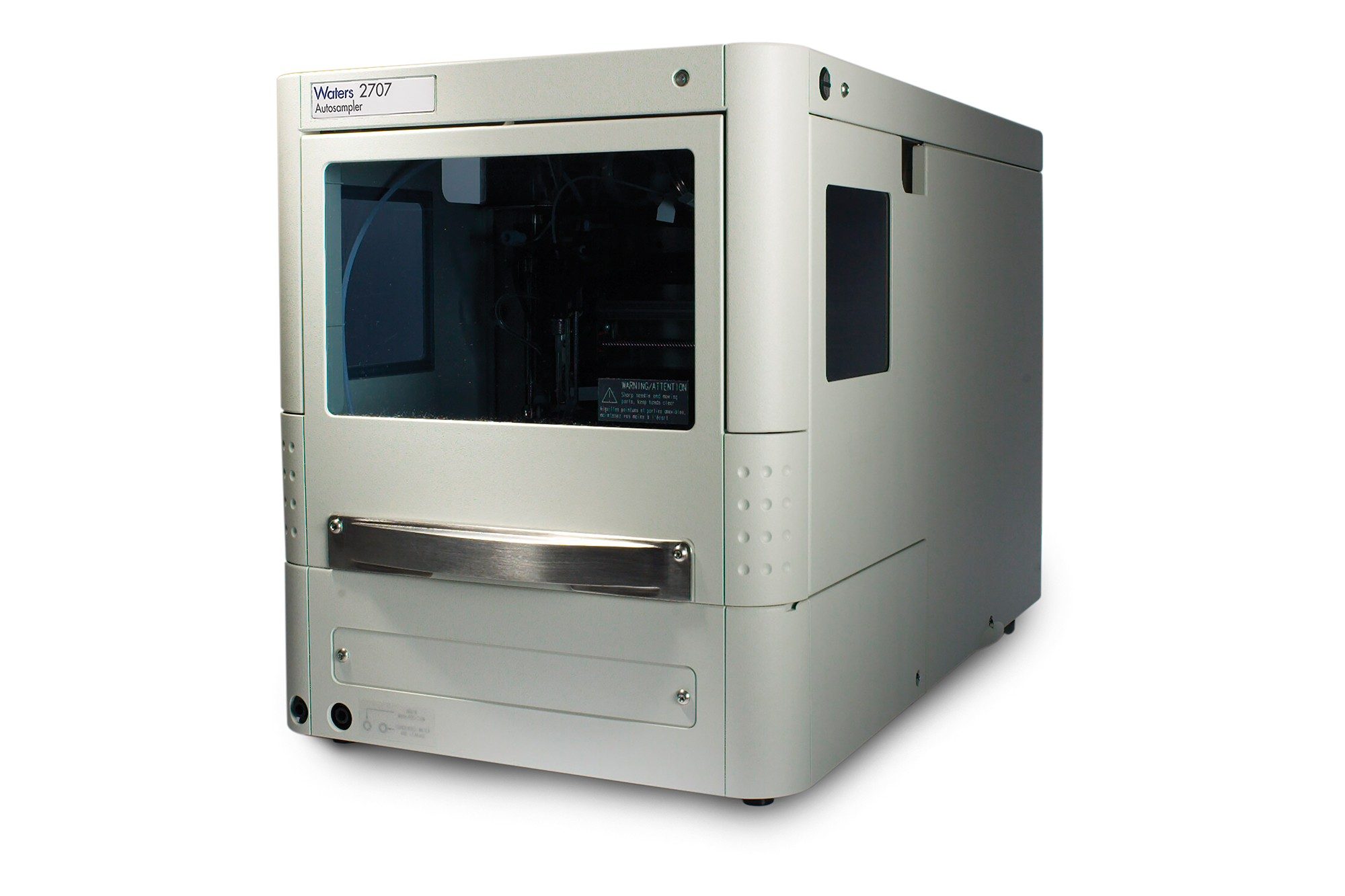
Autosamplers: These automate sample injection, boosting sample throughput and reproducibility.
Column heaters: By maintaining a constant column temperature, they improve separation efficiency and reproducibility, crucial for temperature-sensitive samples.
Fraction collectors: These gather eluent fractions for further analysis or processing, facilitating preparative chromatography or fractionation of complex samples.
In summary, chromatography pumps and parts collaborate to enable efficient separation and analysis of chemical compounds in various samples. They are indispensable tools across fields like pharmaceuticals, environmental science, food, and beverage, among others.
Chromatography Pumps, Components, and Accessories
1.What is the role of the injector in chromatography?
The injector plays a role in a chromatography system by introducing the sample into the chromatographic column. It is designed to precisely control the volume of the sample being injected, ensuring that the right amount enters the system for analysis. The injector must deliver the sample efficiently and uniformly to avoid issues like band broadening, which can negatively impact the quality of the separation and resolution of the chromatographic peaks.
A well-functioning injector ensures that the sample is introduced in a way that allows for accurate and reproducible analysis.
2.How do different types of detectors work?
Various detectors are used in chromatography, each with different detection principles tailored to the properties of the analytes. A UV/Vis detector measures the absorption of ultraviolet or visible light, making it ideal for compounds that absorb in these regions. Fluorescence detectors work by detecting the emission of light from fluorescent compounds, offering high sensitivity for such analytes. Refractive index detectors measure changes in the refractive index of the mobile phase as analytes pass through, while mass spectrometers identify and quantify analytes based on their mass-to-charge ratio, making them highly versatile and accurate.
Lastly, electrochemical detectors are used for analytes that undergo electrochemical reactions. The choice of detector depends on the specific properties of the analytes, as well as the desired sensitivity and selectivity for the analysis.
3.What is the purpose of a column heater?
A column heater is used to maintain a stable temperature within the chromatographic column, which is essential for several reasons. It ensures consistent retention times by preventing temperature fluctuations that could affect how analytes interact with the stationary phase.
Additionally, a constant temperature helps improve peak shape by minimizing band broadening, leading to better resolution and separation efficiency. By controlling the temperature, the performance of the column can be optimized for specific applications, and it can also help prevent column degradation, ultimately prolonging the lifespan of the column.


