
Comprehensive Characterization and Impurity Profiling of the GLP-1 Analogue Tirzepatide Using the Xevo™ G3 QTof High Resolution Mass Spectrometer
Chris Henry, Isabella Jones
Waters Corporation, United States
Published on May 28, 2026

Abstract
Forced degradation studies on glucagon-like peptide-1 (GLP-1) agonists (e.g., semaglutide, liraglutide, and tirzepatide) are essential to identify degradation pathways, validate stability-indicating analytical methods, and ensure product safety and efficacy.
In this application note, tirzepatide is chemically stressed under oxidative conditions at elevated temperatures while performing comprehensive characterization and profiling using the Xevo G3 QTof quadrupole time-of-flight Mass Spectrometer coupled to the ACQUITY™ UPLC™ I-Class System with liquid chromatograph. Data processing was carried out using the high-resolution screening platform UNIFI™ Application as part of the waters_connect™ Software platform.
Benefits
- Routine sub 2 ppm mass accuracy profiling of GLP-1 analogues for confident decision making
- Flexible, ready-made workflows within the UNIFI Application for easy data screening and visualization, providing automated mass confirmation and comprehensive impurity profiling and sequencing
- ACQUITY Premier CSH C18 Peptide Column for optimal separation of peptide and related impurities
Introduction
GLP-1 receptor agonists have emerged as a game-changing treatment for type-2 diabetes mellitus and obesity.1-3 However, for analytical chemists supporting pharmaceutical and biotechnology manufacturing, these large peptide therapeutics come with a considerable level of complexity, presenting significant challenges for analytical methodologies designed to comprehensively characterize and profile these drugs. Their complex structures, susceptibility to modification,4-6 and intricate behavior under stress create ongoing challenges in liquid chromatography – mass spectrometry (LC-MS) workflows.
The high resolution and specificity of high resolution mass spectrometry (HRMS) plays a vital role in the characterization of complex therapeutics to enable, for example, peptide mapping and identification of modifications such as fatty acid side-chains.7 Product stability is also impacted by aggregation, with size-exclusion chromatography (SEC) combined with HRMS used to monitor, separate and identify this critical quality attribute (CQA).8 Additionally, with GLP-1 drugs coming off patent, the expiration of the intellectual property protection permits other drug manufacturers to legally produce and sell generic versions of the drug. In this scenario, HRMS is critical for assessing the uniformity of a synthetic generic peptide compared to the original recombinant DNA (rDNA) peptides.9,10
Forced degradation studies are a critical component of pharmaceutical development for GLP-1 peptide drugs. Unlike real-time stability testing, forced degradation deliberately subjects the drug substance and drug product to extreme conditions to accelerate degradation and reveal potential impurity pathways. Regulatory agencies rely on these studies to evaluate molecular stability, validate analytical methods, and ensure that all clinically relevant impurities have been identified and controlled, and the necessary analytical methodologies are in place.11-13
Tirzepatide, a dual GIP (glucose-dependent insulinotropic polypeptide) and GLP-1 receptor agonist, offers promising therapeutic potential14 but presents analytical challenges due to its susceptibility to chemical degradation, including deamidation, oxidation, and peptide backbone cleavage. Monitoring such degradation pathways is essential for ensuring product integrity, safety, and efficacy.
Experimental
Tirzepatide reference material was prepared at 0.1 mg/mL in water containing 0.1% formic acid. Forced degradation was carried out by adding 1% (v/v) H2O2 to the sample and incubating at 40 °C. Injections were made at time points 0, 0.5, 1, 1.5, 2, 2,5, 3, 4, 5, 6, 9, and 12 hours to investigate and characterize degradation products over time.
LC Conditions
|
LC system: |
Waters ACQUITY Premier UPLC I-Class System |
|
Vials: |
Waters QuanRecovery™ MaxPeak™ 12 x 32 mm Polypropylene 300 µL Screw Cap Vials (p/n: 186009186) |
|
Column: |
ACQUITY Premier CSH C18 Peptide 130 Å 1.7 µm 2.1 x 100 mm Column (p/n: 186009652) |
|
Column temperature: |
60 °C |
|
Sample temperature: |
40 °C |
|
Injection volume: |
1 µL |
|
Flow rate: |
0.4 mL/min |
|
Mobile phase A1: |
H2O 0.1% formic acid |
|
Mobile phase B1: |
ACN 0.1% formic acid |
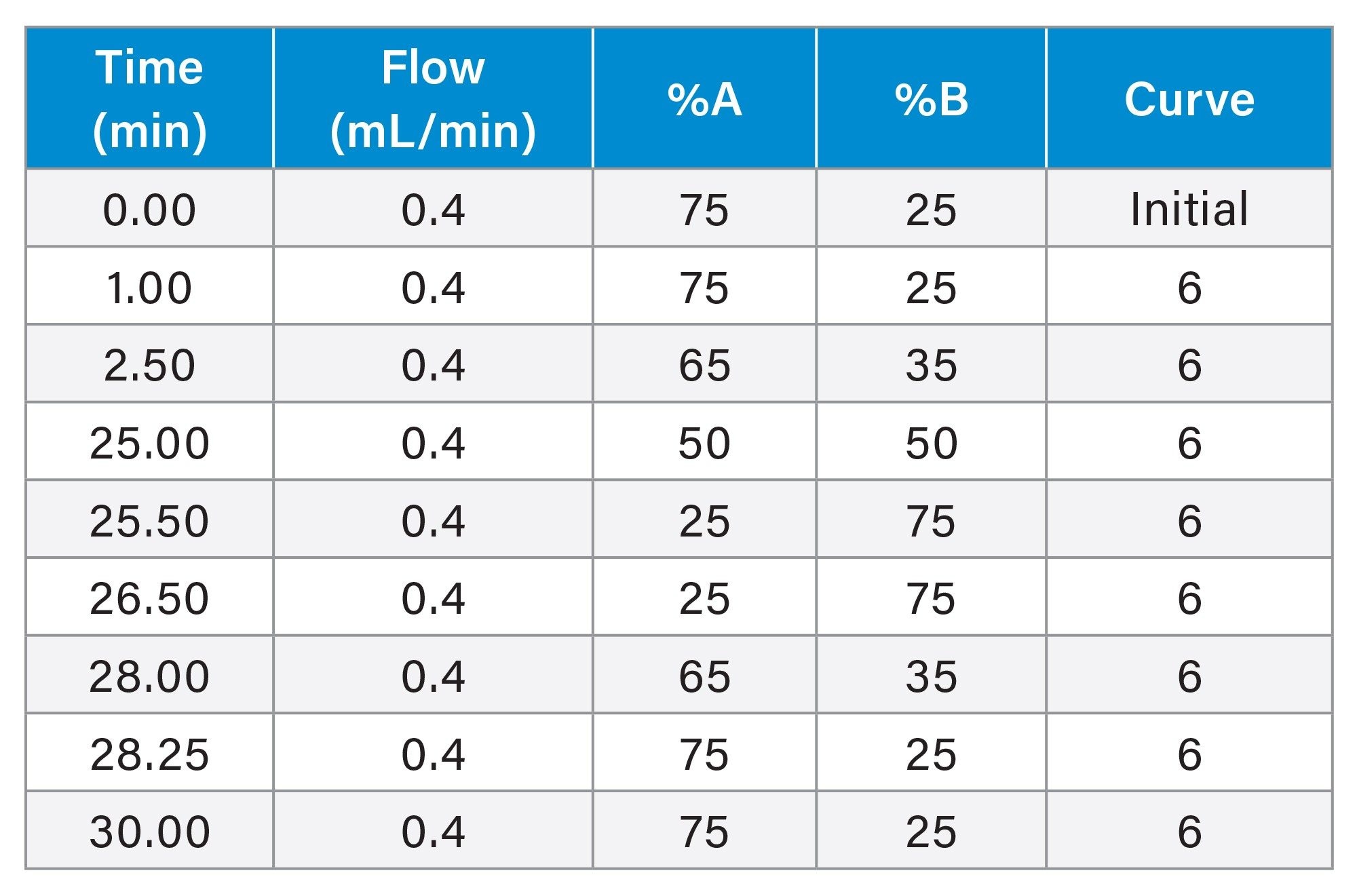
Gradient Table
MS Conditions
|
MS system: |
Waters Xevo G3 QTof Mass Spectrometer |
|
Mode: |
Sensitivity |
|
Mass range: |
50-2000 m/z |
|
Polarity: |
Positive |
|
Scan rate: |
10 Hz |
|
Cone voltage: |
30 V |
|
Source temperature: |
120 °C |
|
Desolvation temperature: |
350 °C |
|
Capillary voltage: |
2.8 kV |
|
MSE low energy (fixed): |
6 V |
|
MSE elevated energy ramp: |
30-55 V |
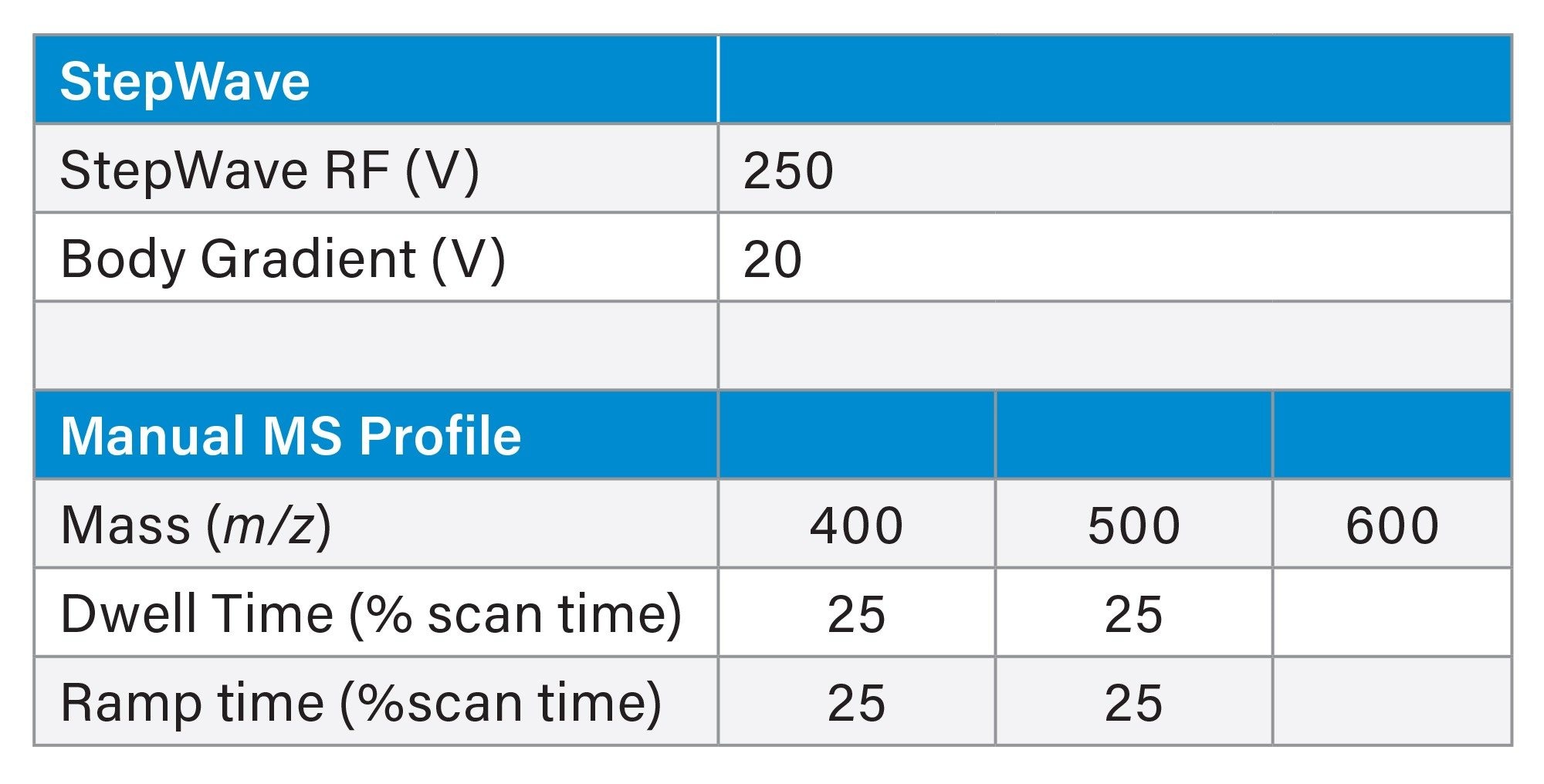
Additional Tune Page Settings
Results and Discussion
Main Species Characterization
Using the BayesSpray™ algorithm enables the deconvolution of a multiply charged species to a singly charged form. BayesSpray differs from maximum entropy (MaxEnt) deconvolution by using prior information provided in the form of sequence and modifications within the processing method to create the expected data and then comparing to the observed data. This approach is better suited to targeted workflows and produces cleaner spectra. A resulting monoisotopic mass measurement can then be calculated as part of compound identification and characterization.
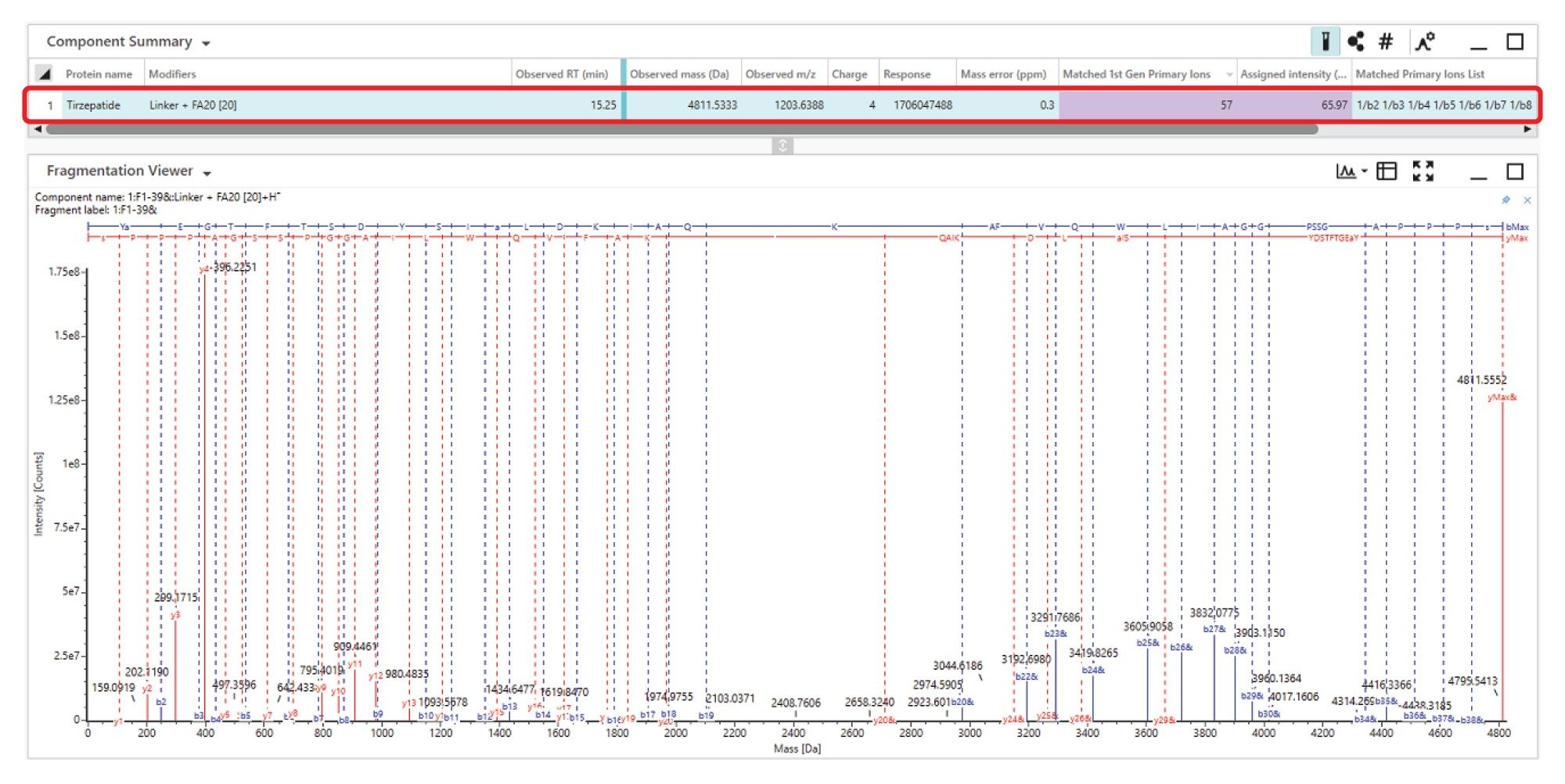
In this work, tirzepatide was confidently identified with a mass error of 0.3 ppm with 57 primary fragments confirmed (Figure 1-2). The peptide mapping workflow in UNIFI Application was set up to identify the Linker and C20 fatty di-acid moiety present on K20 (highlighted in red), presenting as a modifier to the imported tirzepatide amino acid sequence.
![Example of deconvolved tirzepatide mass spectra with zoomed inset showing the isotopic distribution envelope of spectral peaks for the [M+4H]4+ charge state](/content/dam/waters/en/app-notes/2026/720009369/720009369en-f2.jpg.82.resize/img.jpg)
Impurity Profiling
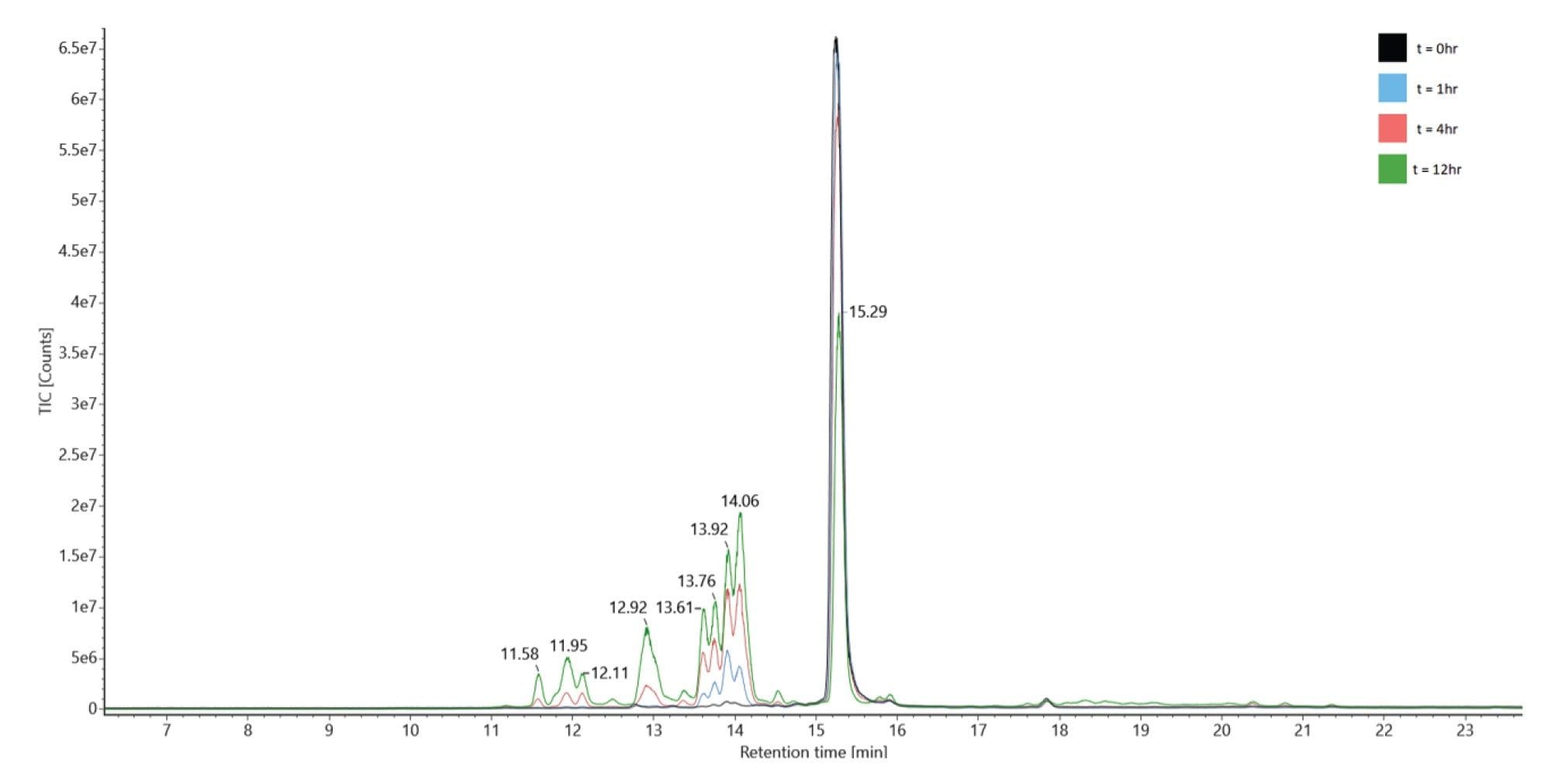
Stability testing is a critical aspect of peptide therapeutic development, essential for quality assurance, therapeutic efficacy and safety testing. Adequate storage of GLP-1 medications is imperative for ensuring safety, purity and reducing toxicity possible through formation of impurities and degradants.15 Evaluating the effects of degradation through a stress study highlights the importance of preserving these medications correctly, with initial appraisal of the chemically and thermally stressed tirzepatide sample revealing multiple degradation products (Figure 3). Reduction in the parent compound at 15.29 minutes is evident with multiple degradation species being generated.
To further scrutinize the detected degradants, analytical tools within the UNIFI Application were employed to characterize the unknown peaks. Sequence information, fatty acid chains, and potential modifications were imported into the processing method and applied to the raw data for identification and characterization.
Monitoring of Tirzepatide Isomers
The presence of isomeric forms of the active compound has a potentially significant impact on product safety, efficacy, and stability. While unintentional isomers are generally considered impurities, intentional combinations, or the presence of related substances - common in compounded products - can lead to altered pharmacokinetic profiles, increased risk of adverse events, and higher immunogenicity.16
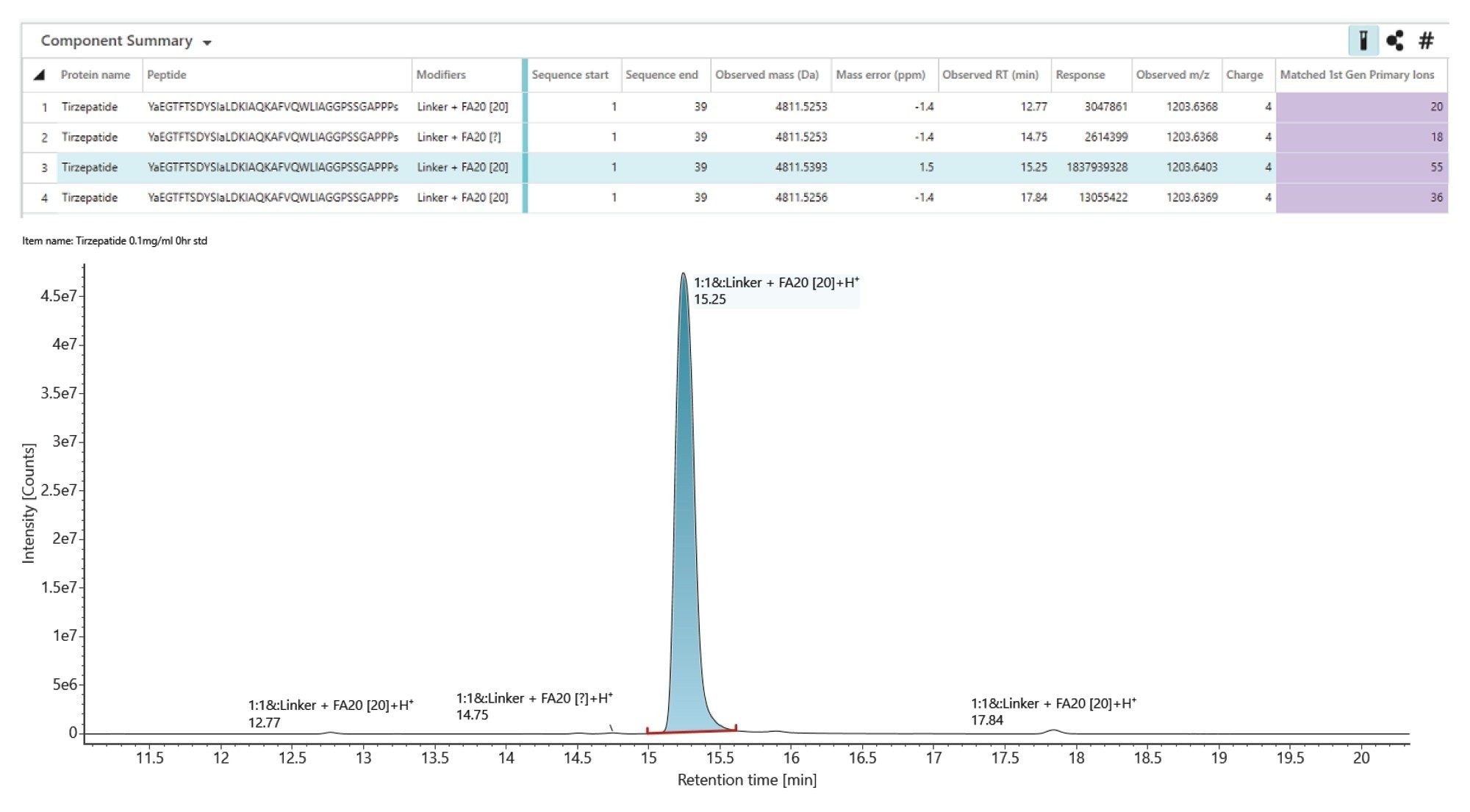
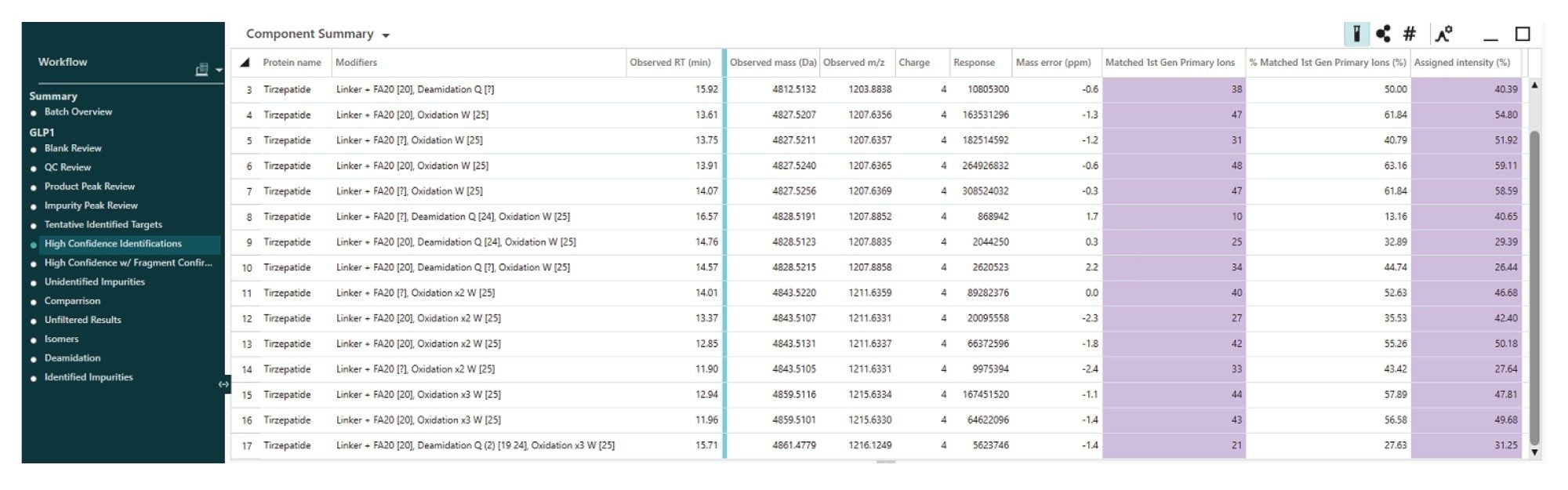
For this reason, the ability to confidently separate and identify GLP-1 isomers is crucial for safe and efficacious GLP-1 production. the UNIFI Application identified four components with the modifier ‘Linker + FA20’, each with distinct retention times and low mass error i.e. -1.4 – 1.5 (Figure 4).
Oxidation Products
Oxidation is a primary degradation pathway for tirzepatide which can significantly compromise its stability, structural integrity and therapeutic efficacy. Under accelerated conditions tirzepatide undergoes oxidation at the tryptophan residue leading to the formation of impurities. Using the Xevo G3 QTof with the UNIFI Application peptide mapping workflow, the characterization of these degradants and putative location of the sites of oxidation are demonstrated.
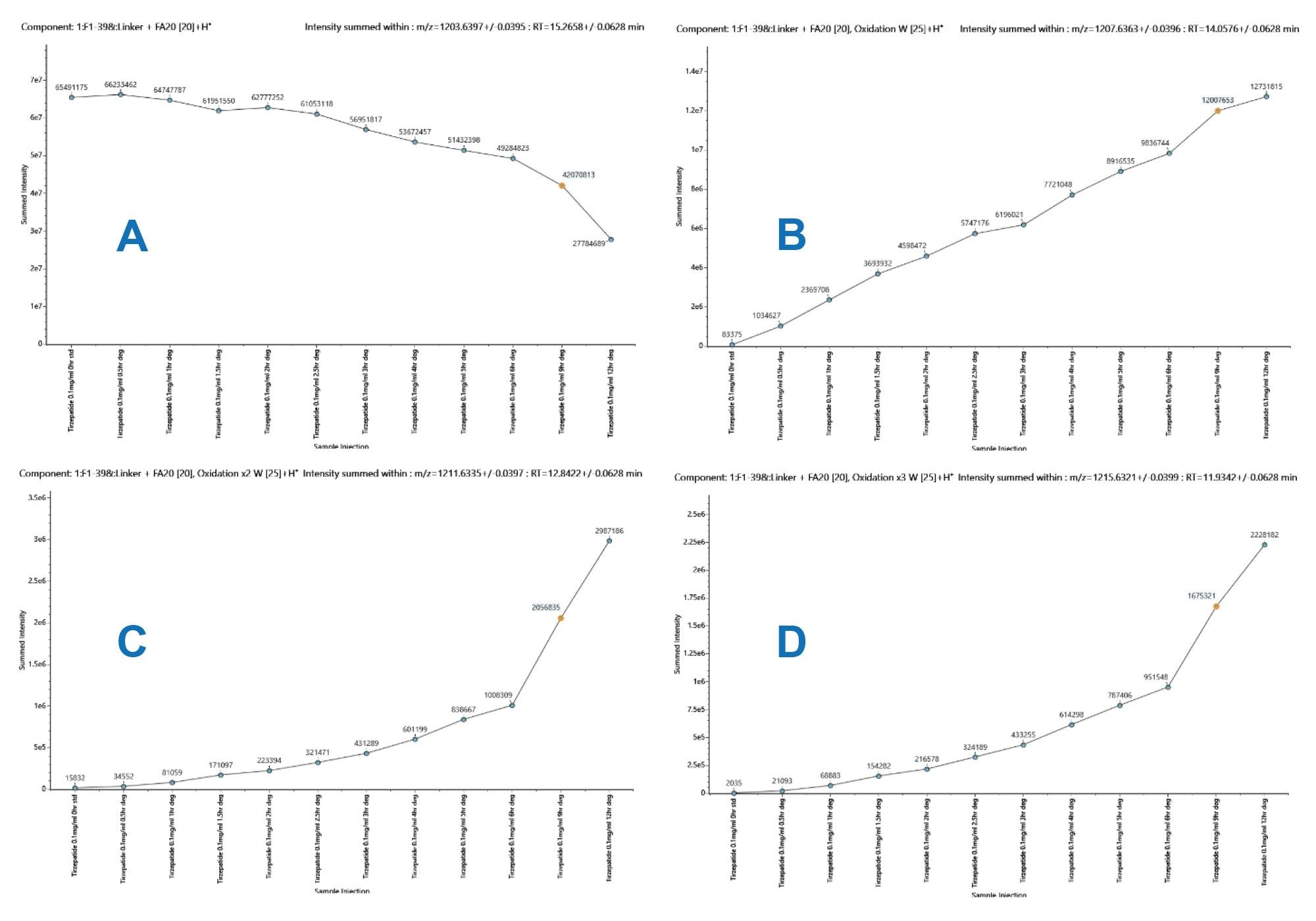
Within the UNIFI Application, the Summary Plot function allows the monitoring of component features across a sample set. Here, the trend plot demonstrates how degradation of tirzepatide coincides with increasing impurities formed as a result of oxidative and heat stress (Figure 5A-D). Using the 9 hour timepoint as an example, the single oxidation species demonstrated a ppm mass error of -0.8 with 50 primary fragment ions. The double oxidation species returned a mass error of -2.0 ppm and 40 primary fragments ions, and the triple oxidation -2.1 ppm mass error and 44 matched primary fragments.
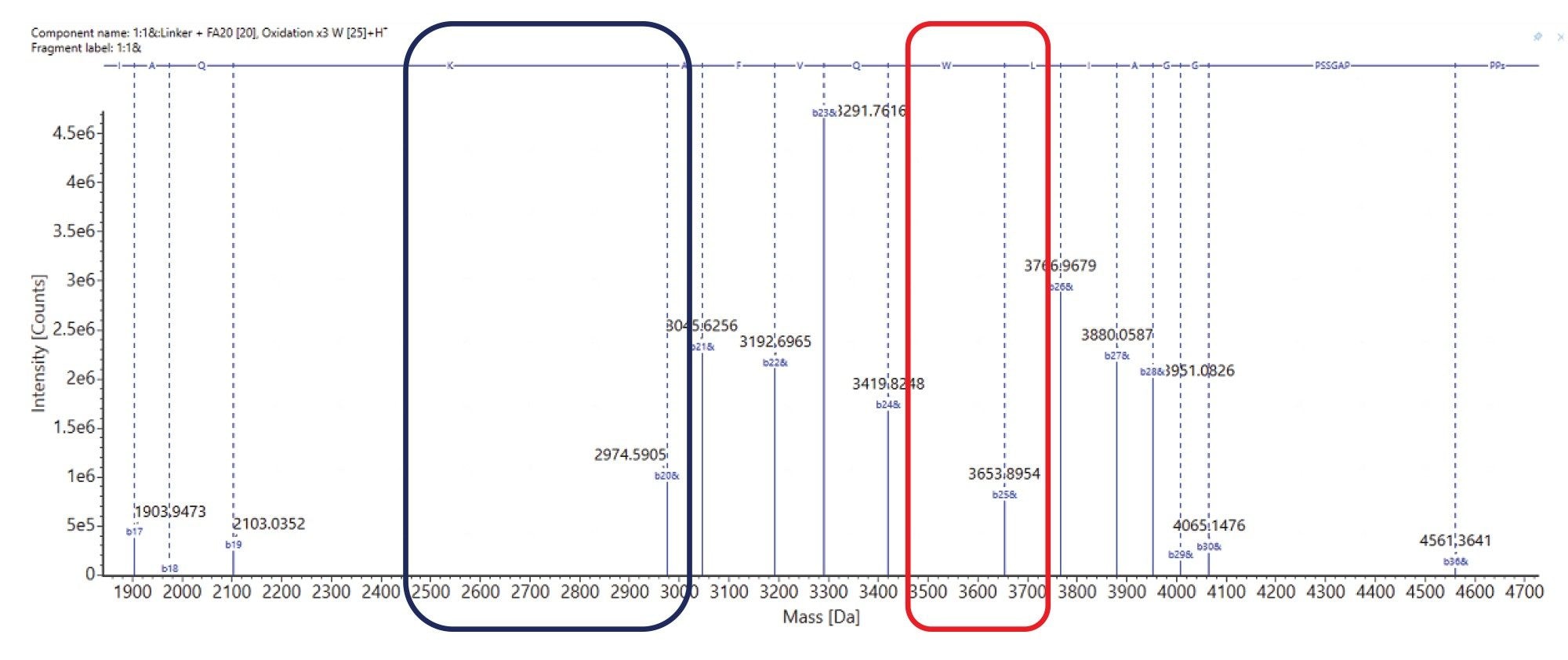
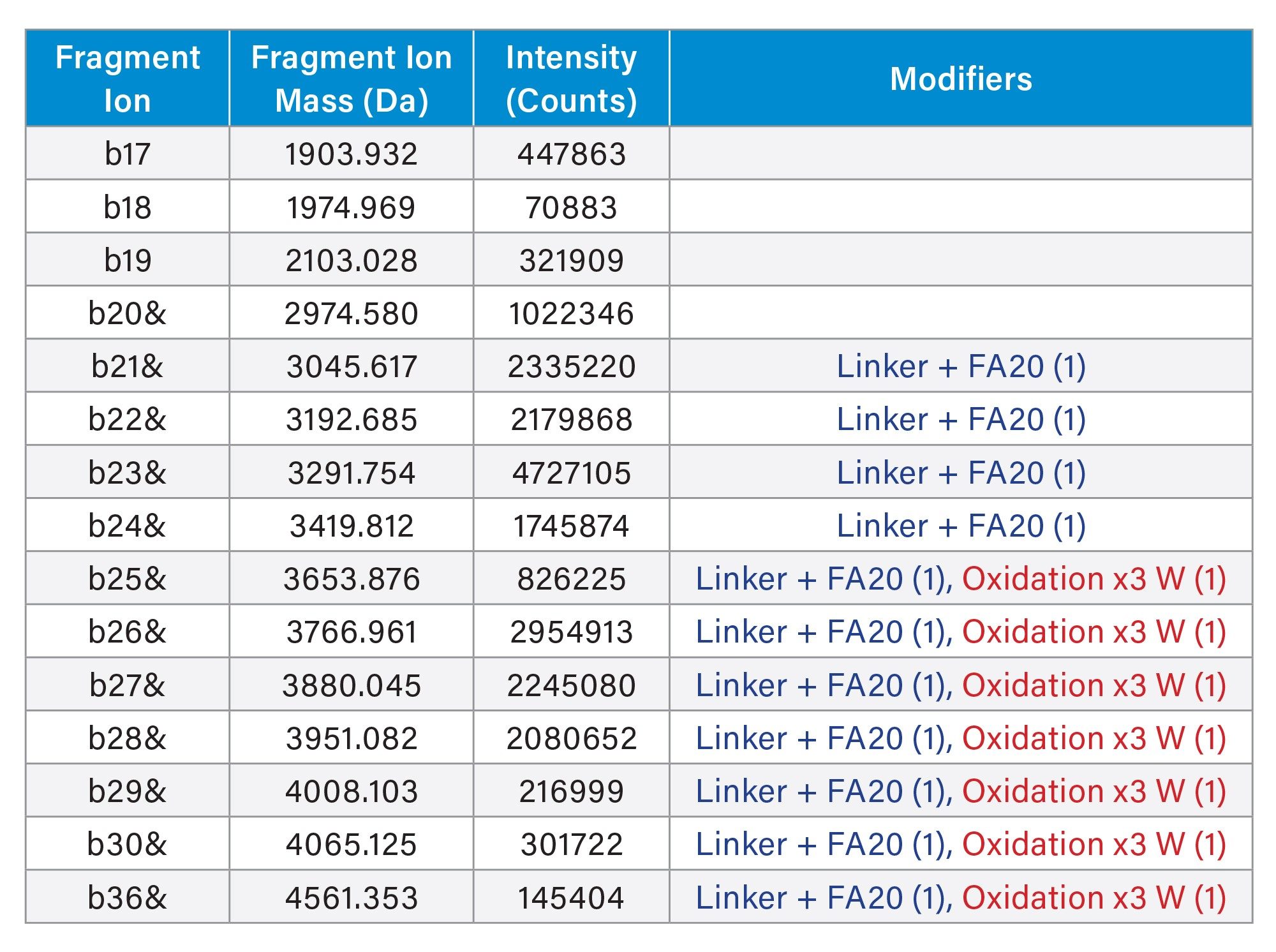
To localize the specific residues which have been modified, established knowledge of potential peptide modifications combined with fragmentation data for oxidized species can be used. The fragmentation data produces a comprehensive series of b- and y-ions which contain the N- and C- terminus, respectively, visualized within the UNIFI Application Fragmentation Viewer. The associated Fragment Ion Table highlights the modifications to specific fragment ions.
As an example, the N-terminal fragment series from the t = 12 hour incubation is displayed in (Figure 6), confirming the triple oxidation of tryptophan (b25). This demonstrates how the fragment labeling pinpoints sites of modification, and the ion table (Table 1) provides confirmation when multiple amino acid modifications have been identified.
Deamidation
Deamidation of GLP-1 is a degradation pathway often occurring during production and storage of GLP-1 drugs, resulting in the conversion of an amide group to a carboxylic acid by the removal of an ammonia molecule from an amide-containing amino acid i.e. glutamine (Q19).
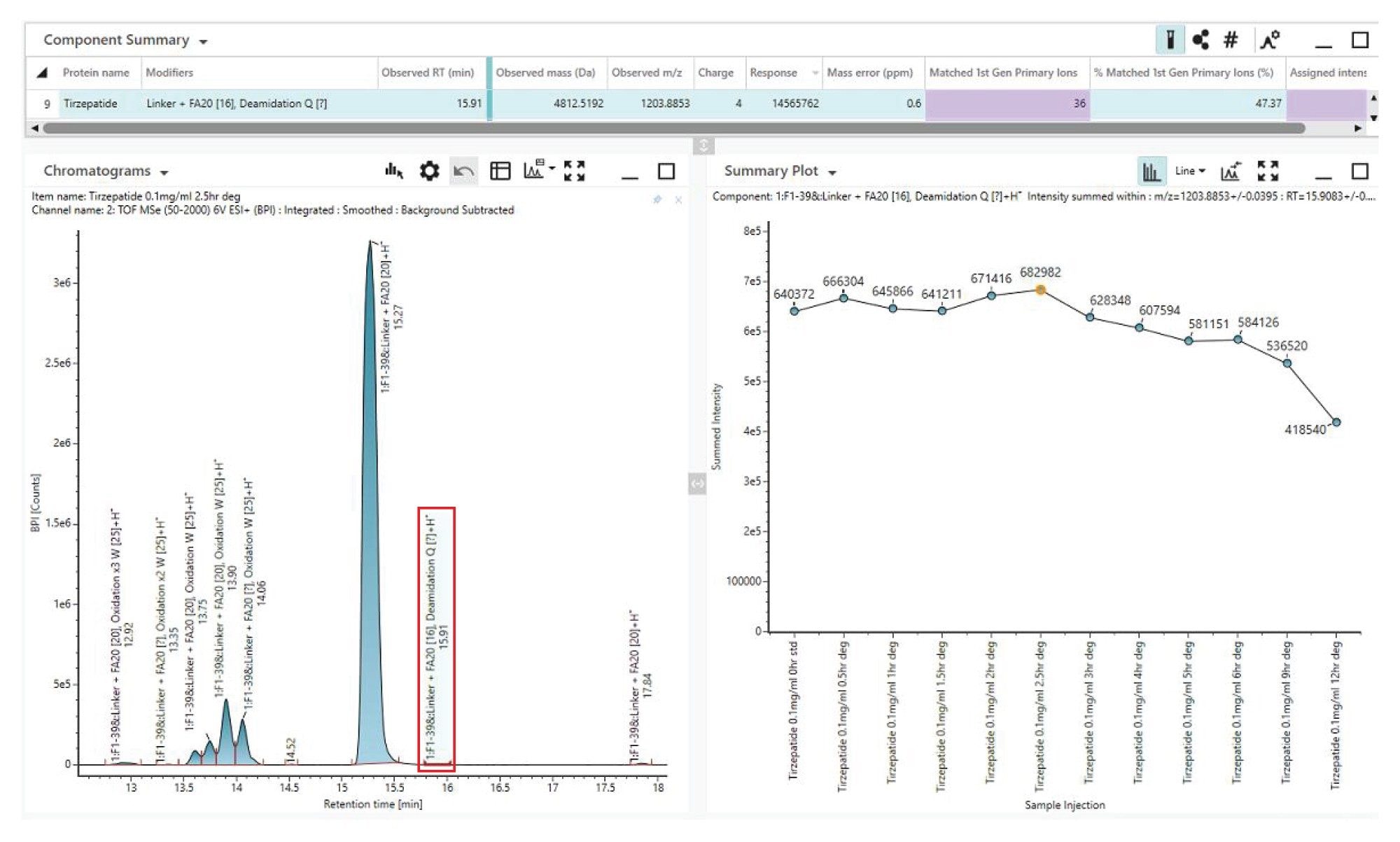
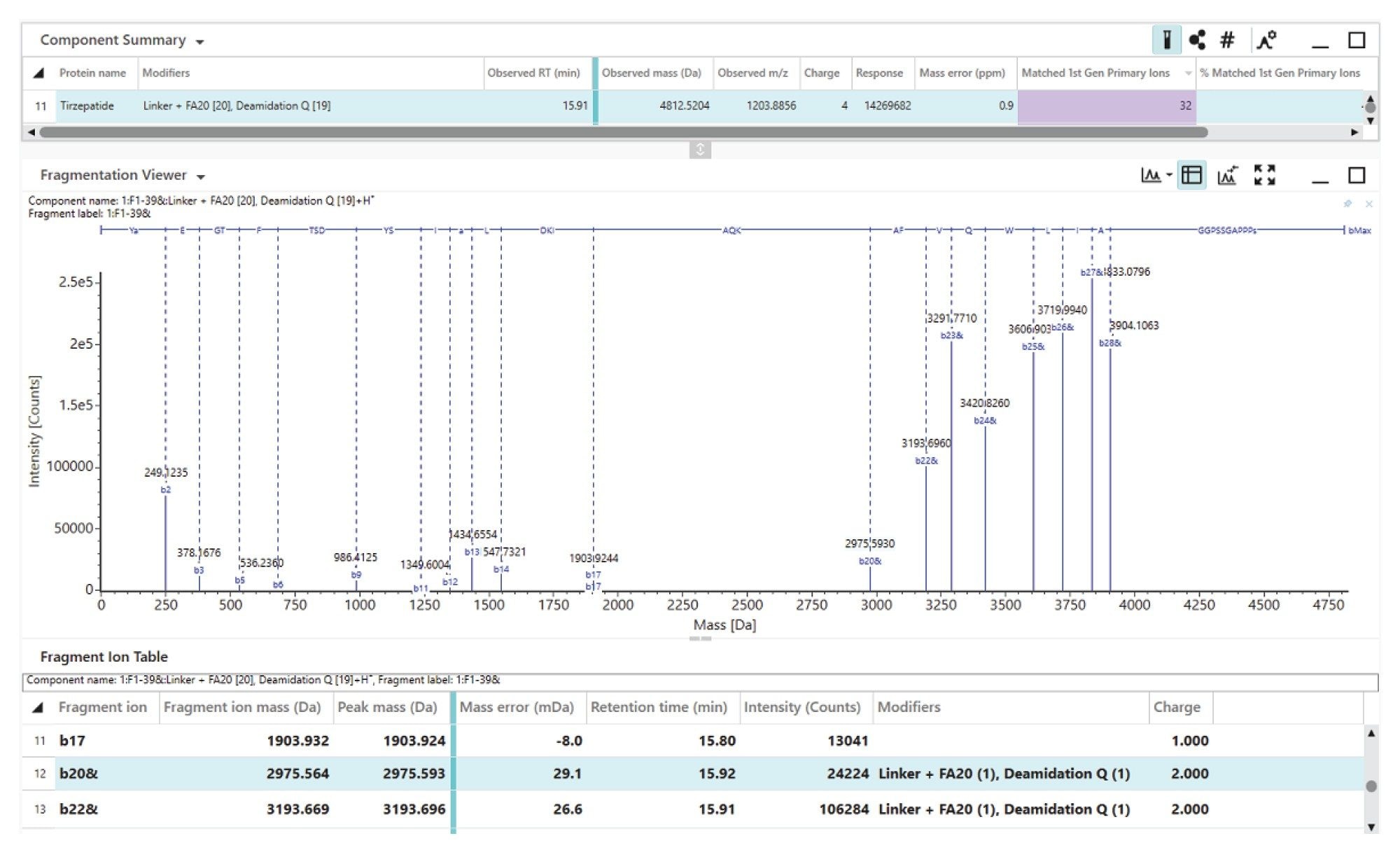
In this experiment, the deamidation impurity at retention time 15.9 minutes is separated and identified – as highlighted in red (Figure 7A). The summary plot (Figure 7B) shows detectable levels of this impurity in the first timepoint, suggesting it has formed during storage and not as a result of the incubation. A gradual decline in intensity across the incubation timepoints is observed in part due to accelerated oxidative conditions and suggests that this environment is not a significant driver in the generation of deamidated species in tirzepatide. Figure 8 displays the associated fragmentation data, indicating how this tool can localize specific residue modification, even with subtle m/z changes.
Summary of Impurities
Conclusion
In this application note, it was demonstrated that the Xevo G3 QTof Instrument combined with the UNIFI Application peptide mapping workflow can be utilized to carry out comprehensive characterization of tirzepatide and extensively profile drug-related impurities presenting as a result of a forced-degradation study. This is essential to drive effective drug development and adequate supporting analytical methodologies. The high resolution and mass accuracy of the Xevo G3 QTof Instrument delivers excellent mass confirmation and species identification, as well as rigorous impurity assignment and characterization to ensure purity and stability criteria are met for regulatory compliance.
References
- Alfaris N; et al. GLP-1 Single, Dual, and Triple Receptor Agonists for Treating Type 2 Diabetes and Obesity: A Narrative Review. eClinicalMedicine, Volume 75, 2024, 102782, ISSN 2589 5370, https://doi.org/10.1016/j.eclinm.2024.102782.
- Darwish, R.; Abu-Sharia, G.; Butler, AE. History of Glucagon-Like Peptide-1 Receptor Agonists, Pharmacological Research. Volume 222, 2025, 108045, ISSN 1043-6618, https://doi.org/10.1016/j.phrs.2025.108045.
- Rao, PP. Revolutionizing obesity treatment: The Emerging Role of Glp-1 Receptor Agonists and Next-Generation Pharmacotherapies. Obesity Medicine, Volume 60, 2026, 100686, ISSN 2451-8476, https://doi.org/10.1016/j.obmed.2026.100686.
- Xu, F.; Wang, KY.; Wang, N.; Li, G.; Liu, D. Bioactivity of a Modified Human Glucagon-Like Peptide-1. PLoS One. 2017 Feb 2;12(2):e0171601. doi: 10.1371/journal.pone.0171601. PMID: 28152036; PMCID: PMC5289641.
- Peri, RV.; Anchan, H.; Jonnalagadda, K.; Varghese, R.; Gupta, P. Designing GLP-1 delivery: Structural Perspectives and Formulation Approaches for Optimized Therapy. Nutr Diabetes. 2025 Nov 23;15(1):53. doi: 10.1038/s41387-025-00397-4. PMID: 41276534; PMCID: PMC12644520.
- Zhang, T.; Liu, S.; He, S.; Shi, L.; Ma, R. Strategies to Enhance the Therapeutic Efficacy of GLP-1 Receptor Agonists through Structural Modification and Carrier Delivery. Chembiochem 2025 Apr 14;26(8):e202400962. doi: 10.1002/cbic.202400962. Epub 2025 Jan 10.
- Jones, K. Tolls and Techniques for GLP-1 Analysis. LCGC June 9, 2025. https://www.chromatographyonline.com/view/tools-and-techniques-for-glp-1-analysis.
- Koza, MK.; Wuthrich, P.; Shiner, S.J.; Lauber, M.A. Denaturing SEC-MS Analysis of High Molecular Weight Impurities in the GLP-1a Lipopeptides Semaglutide and Tirzepatide. Waters Application Note. 2026. 720009256.
- Kim, S.H.; Kim, S.S.; Kim, H.J.; Park, E.J.; Na, .H. Peptide Mapping Analysis of Synthetic Semaglutide and Liraglutide for Generic Development of Drugs Originating From Recombinant Dna Technology. J Pharm Biomed Anal. 2025 Apr 15;256:116682. doi:10.1016/j.jpba.2025.116682. Epub 2025 Jan 17. PMID: 39847923.
- Kuril, A.K.; Saravanan, K.; Subbappa, P.K. Analytical Considerations for Characterization of Generic Peptide Product: A regulatory insight. Analytical Biochemistry, Volume 694, 2024, 115633, ISSN 0003-2697, https://doi.org/10.1016/j.ab.2024.115633.
- International Conference on Harmonisation (ICH) Guidelines (Q5C): Quality of Biotechnological/Biological Products: Stability Testing of Biotechnological/Biological Products.
- International Conference on Harmonisation (ICH) Guidelines (Q6B). Specifications: Test Procedures and Acceptance Criteria for Biotechnological/Biological Products.
- International Conference on Harmonisation (ICH) Guidelines (Q5E). Comparability of Biotechnological/Biological Products Subject to Changes in their manufacturing Process.
- Nauck, M.A.; D'Alessio, D.A. Tirzepatide, A Dual Gip/Glp-1 Receptor Co-Agonist for the Treatment of Type 2 Diabetes With Unmatched Effectiveness Regrading Glycaemic Control and Body Weight Reduction. Cardiovasc Diabetol. 2022 Sep 1;21(1):169. doi: 10.1186/s12933-022-01604-7. PMID: 36050763; PMCID: PMC9438179.
- Gibson, K. Investigating the Structure and Physical Stability of Glp1-Like Peptides Using Mass Spectrometry [Internet]. Apollo - University of Cambridge Repository; 2023. Available from: https://www.repository.cam.ac.uk/handle/1810/363686
- Min J.S.; et al.. A Comprehensive Review on the Pharmacokinetics and Drug-Drug Interactions of Approved GLP-1 Receptor Agonists and a Dual GLP-1/GIP Receptor Agonist. Drug Des Devel Ther. 2025 Apr 30;19:3509-3537. doi: 10.2147/DDDT.S506957. PMID: 40330819; PMCID: PMC12052016.
720009369, May 2026


