

For forensic toxicology use only.
- Main
-
For forensic toxicology use only.
Ben S. Campbella, Scott J. Campbella, John H. Moncura, Nayan S. Mistryb
aSpectralWorks Limited, Cheshire, United Kingdom
bWaters Corporation, Wilmslow, United Kingdom
Published on July 13, 2026
For forensic toxicology use only.
The growing scale of the illicit drug market has created an increasing demand for fast and reliable methods to identify seized drug samples. As forensic laboratories receive a growing number of submissions, the need to deliver rapid, accurate, and scientifically robust results has become more critical than ever. Efficient screening techniques are therefore essential for supporting timely forensic investigations.
Traditional confirmatory techniques such as GC-MS and LC-MS require extensive preparation and longer turnaround times. Rapid ambient ionization approaches such as atmospheric solids analysis probe (ASAP) provide faster screening for high-throughput forensic workflows. Counterfeit pharmaceutical products frequently contain undeclared excipients, increasing identification complexity, and risk. To address these challenges, a streamlined analytical approach was applied to evaluate seized drug samples using the Waters RADIAN ASAP Mass Detector, with data processing performed in SpectralWorks™ AnalyzerPro™ XD Software. This method enabled clear differentiation between counterfeit and authentic pharmaceutical products within simulated seizure scenarios. Counterfeit and genuine acetaminophen (paracetamol) tablets, along with a combined acetaminophen-caffeine formulation, were examined to demonstrate the capability of the technique, and the resulting data highlight its robustness and efficiency for rapid screening, confident identification, and reliable discrimination of drug‑related materials.
There is a growing worldwide concern about illicit substances. Recent estimates indicate that the number of people who used drugs increased by approximately 70 million between 2013 and 2023, rising from 5.2% to 6% of the global population aged 15–64.1 The continued proliferation of both traditional and novel drug substances presents an ongoing challenge for authorities worldwide, making the analysis of seized materials essential to effectively monitor and control, minimizing the potential risk to humans. Seized materials from the illicit drug supply chain exhibit substantial variability, including both counterfeit formulations and materials adulterated with secondary substances.2 Notably, paracetamol has been documented as a long‑standing and widespread adulterant in heroin samples. Therefore, rapid detection and confirmation of these illicit substances is vital for minimizing potential harm to human health.
RADIAN ASAP Mass Detector, a compact mass detector developed by Waters, integrates the simplicity of the ASAP with the molecular specificity of mass spectrometry and was used to investigate a simulated seized drug sample. The seized drug samples included a range of tablets: over-the-counter (OTC) paracetamol products with and without caffeine, as well as counterfeit paracetamol tablets produced in an unregulated drug manufacturing laboratory. The AnalyzerPro XD Software, together with the Waters Seized Drug Reference Library was used for real-time analysis to confirm the presence of paracetamol and, also to show differentiation between the sample types.
Preparation of Simulated Counterfeit Samples
Three laboratory prepared tablets were generated to simulate counterfeit products which reflect formulation variability commonly observed in illicit drug products using paracetamol (Sigma‑Aldrich, UK) and adulterated with additional excipients including Kollitab™ DC 87 (BASF, Germany), PROSOLV™ EASYtab™ SP (JRS Pharma, Germany), and Starch 1500™ (Colorcon, USA) (Figure 1). Samples were prepared under controlled laboratory conditions for analytical evaluation only.
For the counterfeit tablets, the active pharmaceutical ingredient and excipients were placed into an amber glass jar and blended within a Turbula mixer (WAB, Switzerland) for 5 minutes. The powder was passed through a 500 μm laboratory sieve (EndecoHs, UK) then transferred back into the amber glass jar and blended for another 5 minutes. For the Starch 1500 excipient batch, 1% w/w magnesium stearate was added as a processing aid and mixed for further 2 minutes.
Tablets were produced using a single-station press (Riva Minipress) fitted with 10 mm round, flat-faced tooling. The tablets were collected, placed in a 30 mL vial and labeled.
Commercially available paracetamol tablets were acquired from nearby licensed dispensaries (Figure 1 tablets D-G).
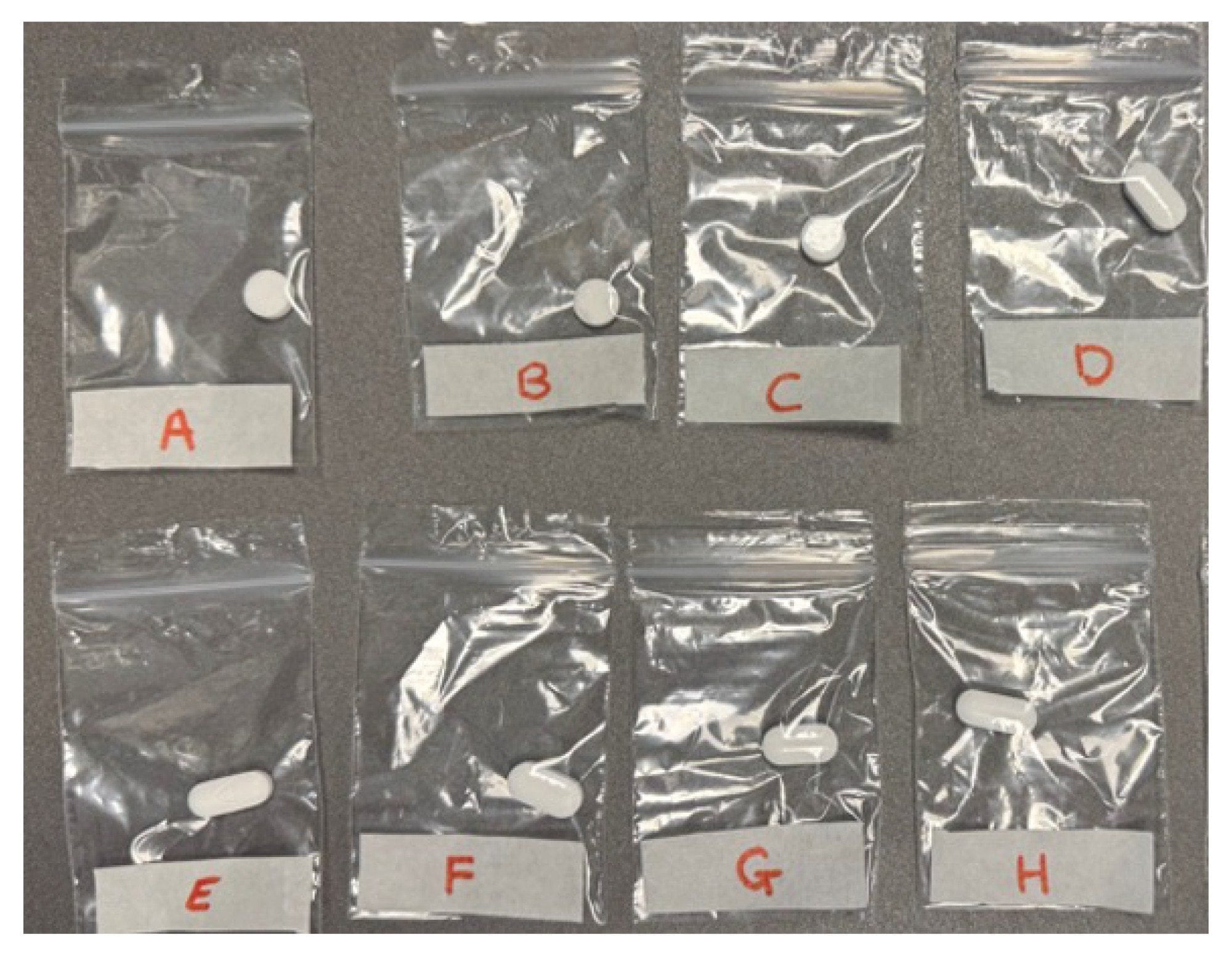
Samples were introduced in two ways; firstly, through the “rubbing method” and then using the Waters seized drug protocol3, the “dipping method”.
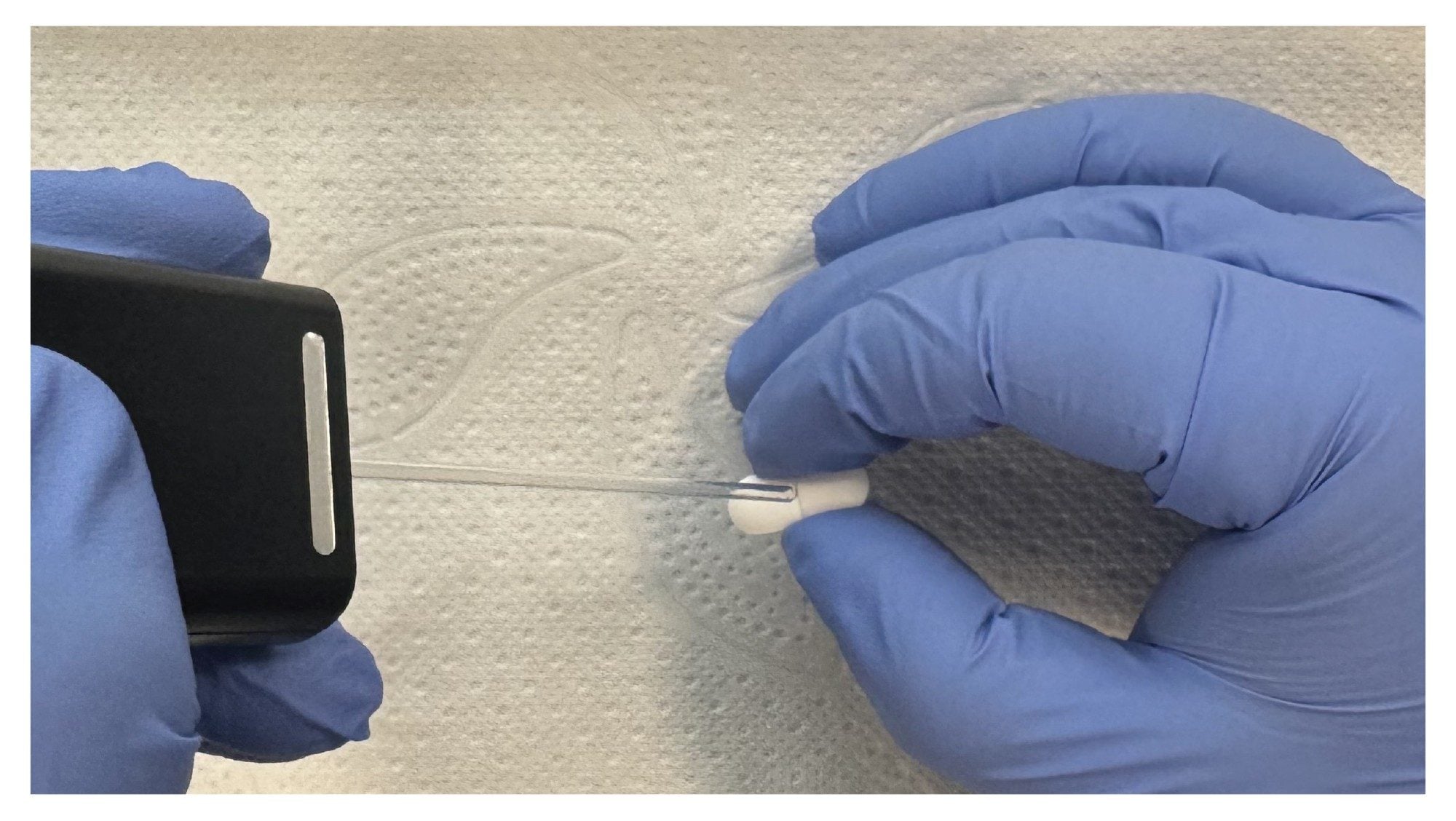
For each sample, a new glass capillary was selected and baked out using the AnalyzerPro XD Software. This was then run as a blank to ensure no targets were detected. The glass capillary was subsequently ‘rubbed’ along the top of the tablet three times (Figure 2) and inserted into the ion source. Each sample was analyzed five times.
Each of the eight samples (A–H) was individually pulverized within its original bag, after which a 1 mg subsample was transferred into a separate glass vial, dissolved in 1 mL of methanol, and subsequently diluted to a final working concentration of 25 µg/mL.
A new glass capillary was selected and baked out using the AnalyzerPro XD Software, followed by a methanol blank. A “dipping” method was used for each sample, where the clean capillary was dipped just below the surface of the liquid sample to a depth of approximately 1 mm for approximately 3 seconds. The glass capillary was then inserted into the ion source. Each sample was analyzed five times.
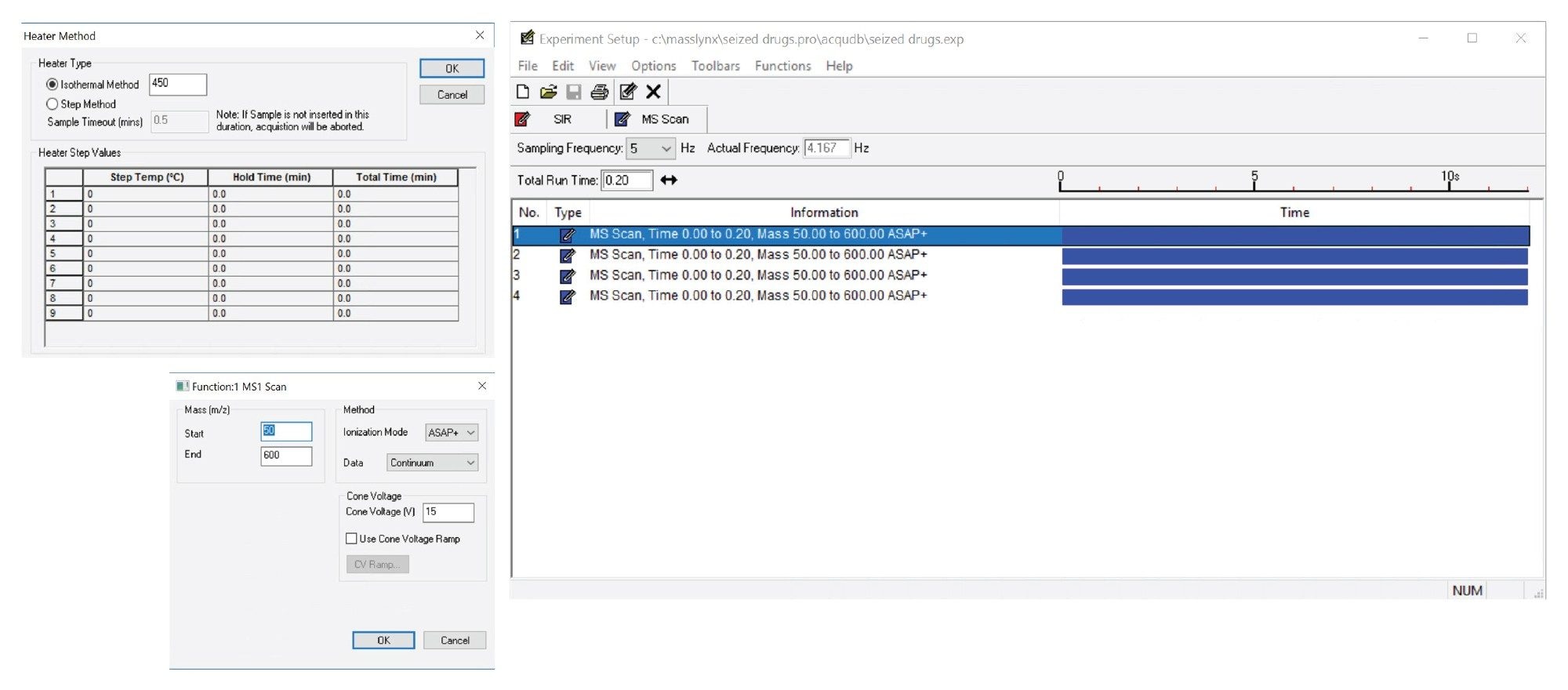
The analytical parameters used for data acquisition are summarized in Figure 3.
Acquired data was processed using AnalyzerPro XD Software, which provides real-time spectral library matching of acquired mass spectral data. Each spectrum is automatically compared against the curated Waters Seized Drug Reference Library using an advanced matching algorithm that assigns a confidence score to potential identifications.
The identification process evaluates multiple criteria, including forward and reverse spectral matching, relative and absolute ion-intensity thresholds, molecular mass verification, and ion-ratio consistency. Information from spectra acquired at all four cone voltages is then combined using a weighted scoring approach to generate a final confidence score, expressed as a percentage, for each compound identification.
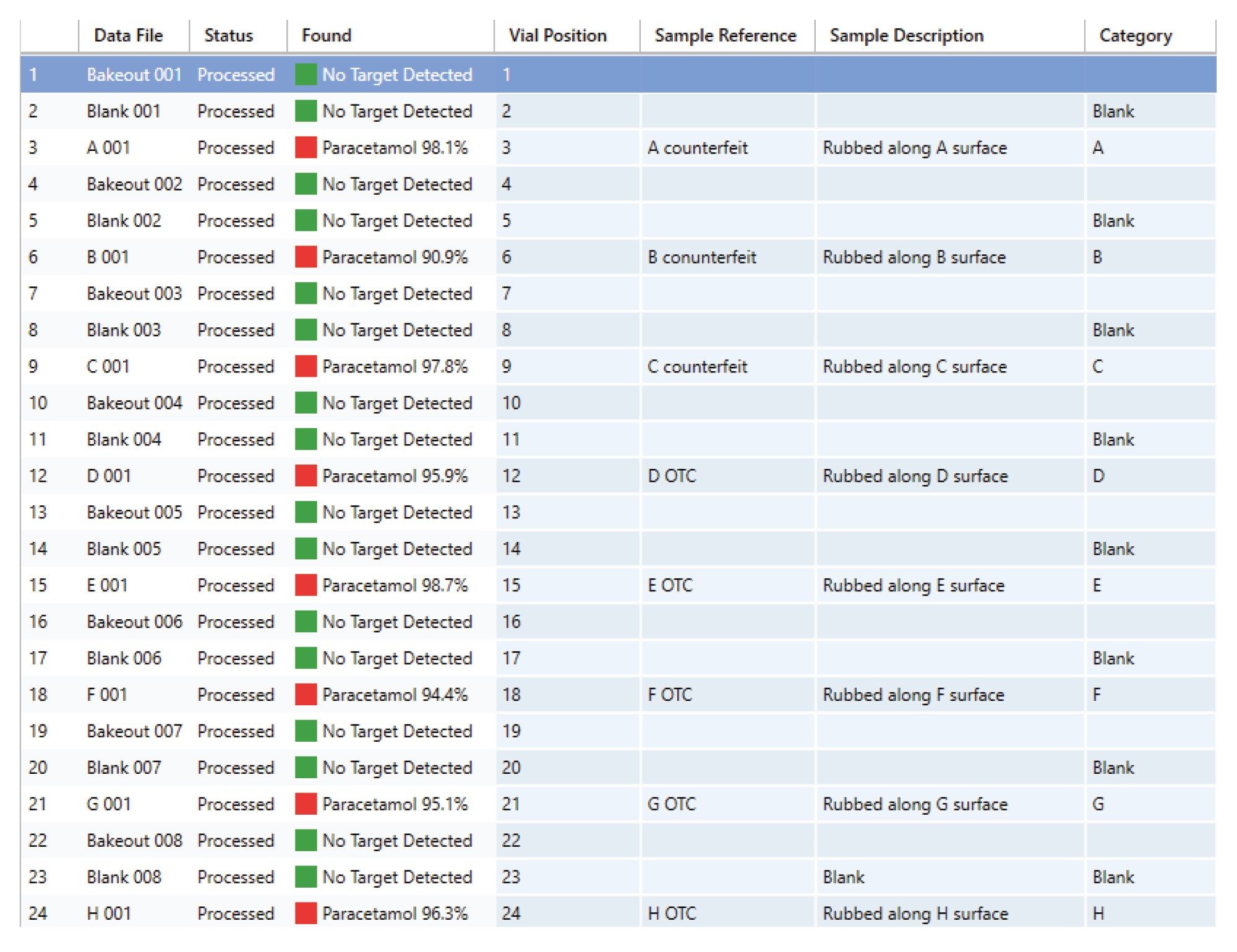
Figure 4 demonstrates the successful identification of paracetamol following the "rubbing method" (method 1) across all tablet samples, achieved through Target Component Analysis using the Waters Seized Drugs Reference Library workflow in AnalyzerPro XD Software. All identifications were returned with confidence ratings of 91% or higher.
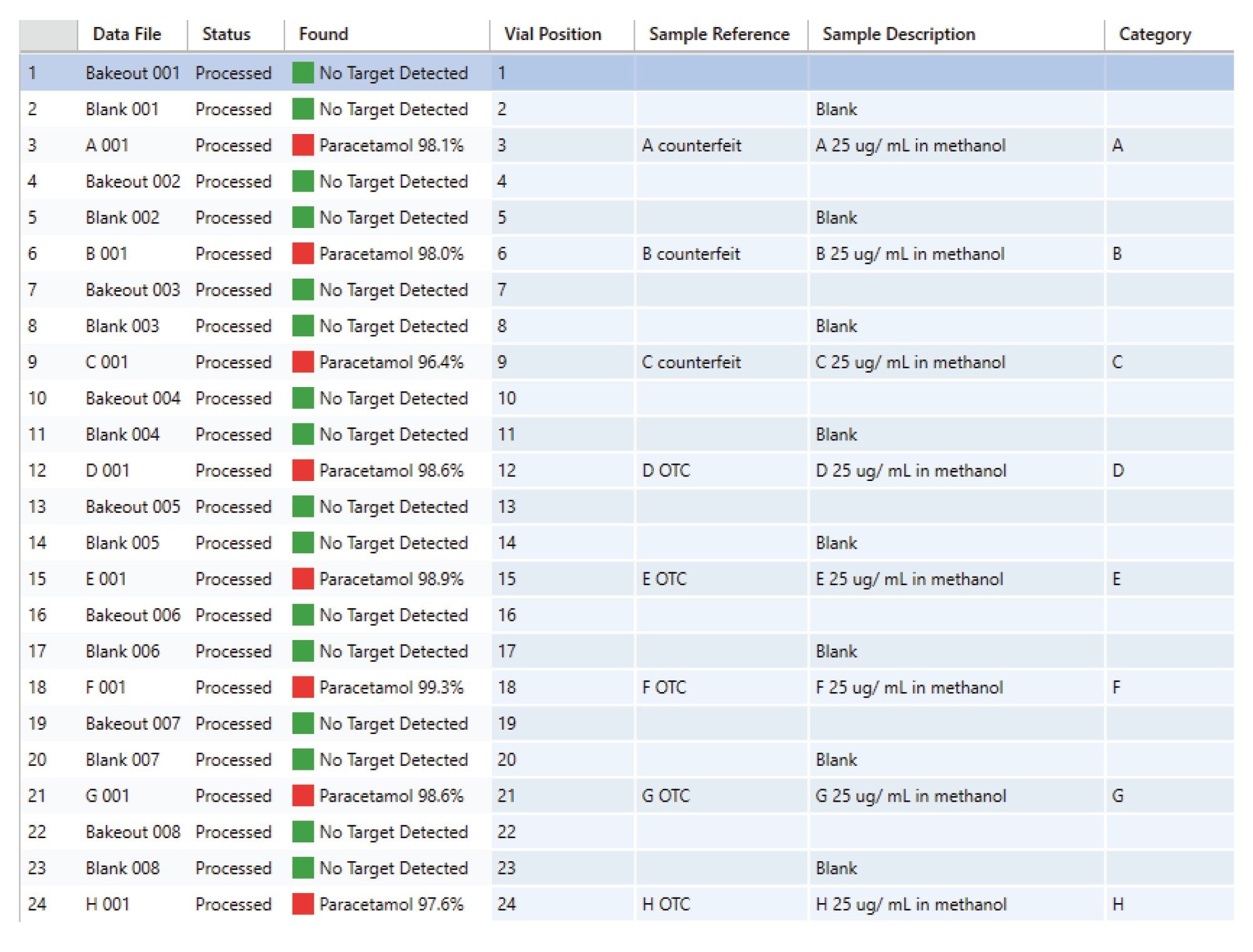
Following the Waters seized drug protocol, the simulated seized drugs were put into solution and diluted for the “dipping” method. Figure 5 shows that all samples tested positive for paracetamol, with an increased confidence levels ranging from 96–99%. The increased confidence observed for the dipping method likely reflects improved analyte extraction and more reproducible ionization compared to surface sampling.
To compare the seized drug samples, which included both counterfeit and commercially available tablets, data collected using the Waters seized drug protocol were analyzed by principal component analysis (PCA). As shown in Figure 6, the PCA clearly separated counterfeit tablets from commercial products based on their underlying chemical profiles. PCA separation is attributed to differences in excipient composition rather than the presence of paracetamol, demonstrating sensitivity to formulation-level variation.
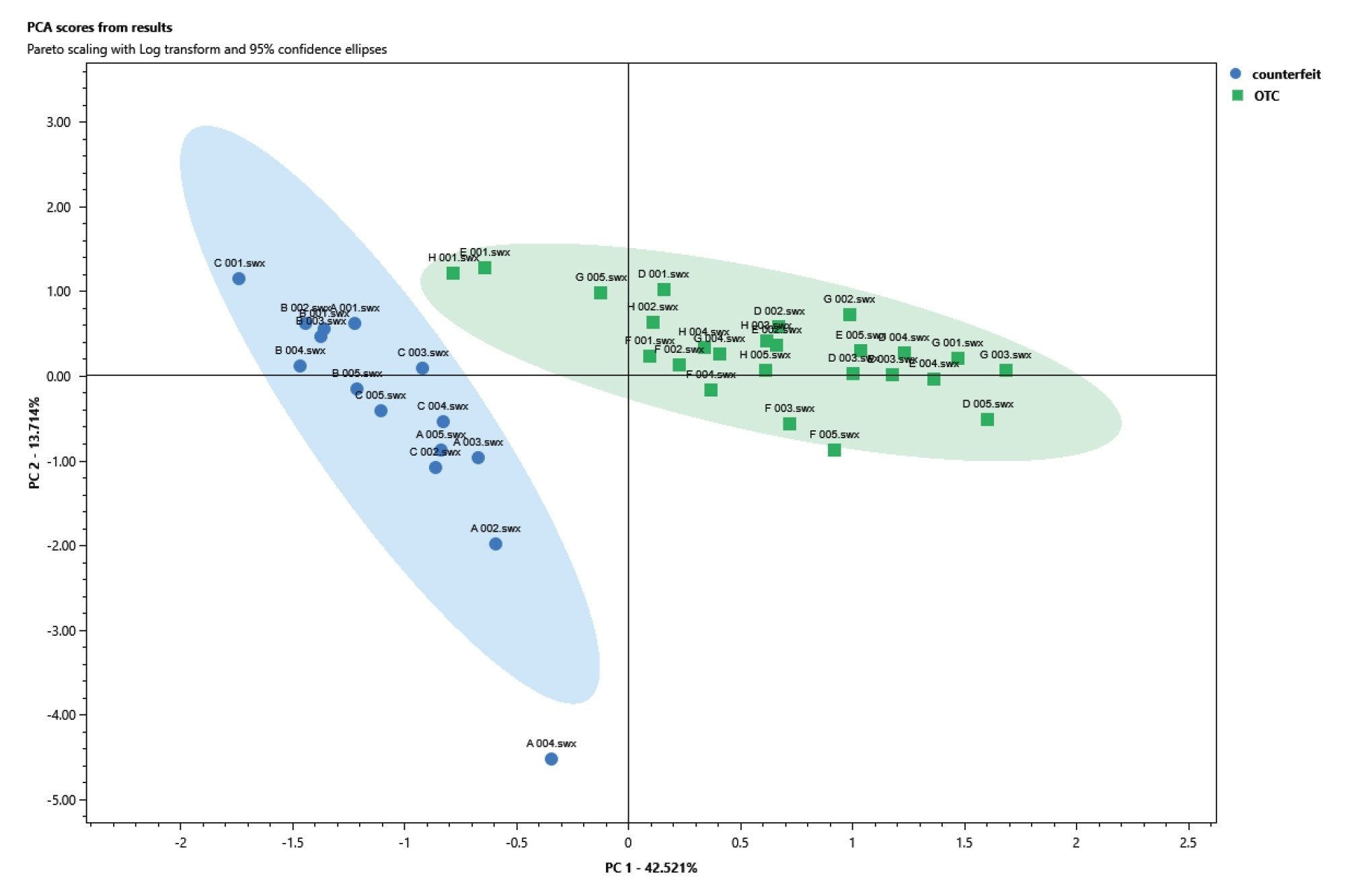
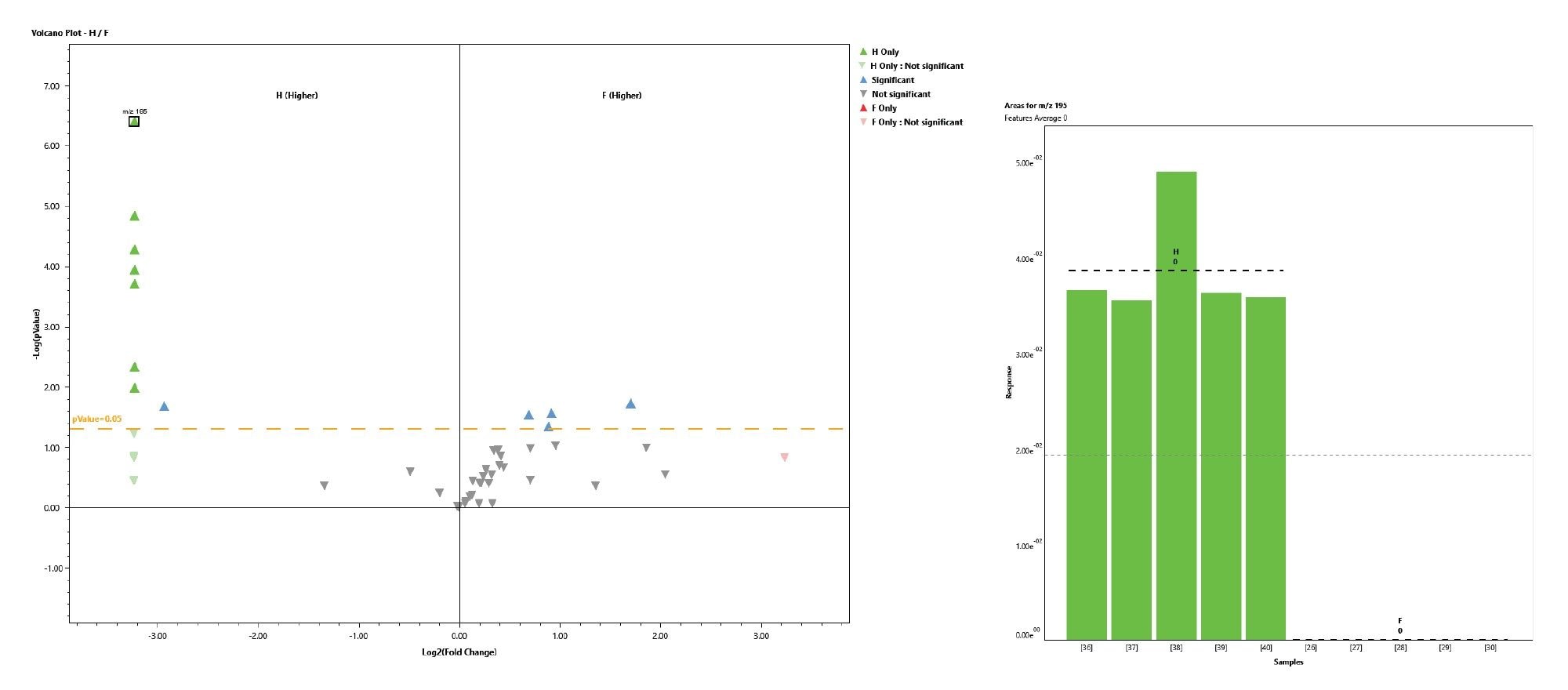
Figure 7 shows the comparison of tablet H vs tablet F; caffeine (m/z 195) is seen exclusively in the volcano plot for category H, with further confirmation from the bar chart.
The RADIAN ASAP Mass Detector, along with data analysis in AnalyzerPro XD Software, matched with Waters Seized Drugs Reference Library, allowed for accurate identification of paracetamol within commercial and counterfeit tablets within a simulated seized drug scenario. Additionally, the statistical workflow enabled clear differentiation between the OTC paracetamol tablets and the counterfeit samples. It also allowed identification of which OTC tablet contained caffeine.
While this study utilizes controlled simulated samples, further assessment using a wider variety of real-world seized materials would be valuable to capture the full range of potential sample variability.
Waters and RADIAN are trademarks of Waters Corporation or its affiliates. SpectralWorks and AnalyzerPro is a trademark of SpectralWorks Limited. Kollitab is a trademark of BASF-SE. PROSOLV and EASYtab are trademarks of J. Rettenmaier & Sohne GmbH & Co. KG. Starch 1500 is a trademark of BPSI Holding LLC. All other marks are the property of their respective owners.
720009508, July 2026


