纯化样品管理
全面、灵活的HPLC样品管理解决方案
沃特世提供简便易用的样品管理选件,从高效液相色谱(HPLC)分析的样品抽吸、进样到馏分收集工具一应俱全。
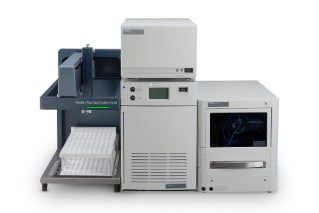
沃特世提供一系列简便易用的高级样品管理器以适应自动纯化系统,包括2707自动进样器、3767样品管理器(进样器/收集器)、手动FlexInject模块、手动制备型进样器套装和制备型色谱机架,使纯化样品管理更加灵活方便。
 纯化样品管理

概述
- 2707自动进样器 — 一款灵活的自动进样器,可管理从微孔板和/或样品瓶的进样,并且还可以配置用于生物兼容性或制备级进样。
- 3767样品管理器(进样器/收集器)— 一款高容量样品处理系统,操作简单,能够自动化管理在单一HPLC或LC/MS平台上并行操作的进样、峰馏分收集以及馏分分析过程。
- 手动FlexInject模块 — FlexInject配备分析型进样阀和制备型进样阀,并带一个手动选择阀。其中采用的7725分析型进样器随附100 μL样品定量环,3725i制备型进样器随附5 mL样品定量环,相当可靠。其他尺寸的定量环需另行订购。
- 手动制备型进样器套装 — 制备型进样器搭载于Flex进样平台上,其中采用的3725i制备型进样器标配5 mL样品定量环和10 mL样品定量环并随附于启动套装中,相当可靠。其他尺寸的定量环需另行订购。
- 制备型色谱机架 — 沃特世制备型色谱机架(PCR)集成了小型和大型手动进样器与手动馏分收集功能,用户可以通过规模选择阀在小型和大型流路之间切换。
- 沃特世馏分管理器 — 沃特世馏分管理器是一款专为UPLC系统设计的馏分收集器,可高效分离和回收小体积样品以进行额外的分析并提高回收率。
- 沃特世馏分收集器IV - 一款易于使用、稳定耐用且适应性强的馏分收集器,可与沃特世分析和纯化LC系统无缝集成,能够为包括肽和寡核苷酸纯化在内的各种应用提供可靠的馏分收集功能。
推荐用途:灵活、简便的纯化样品管理。
特色标题
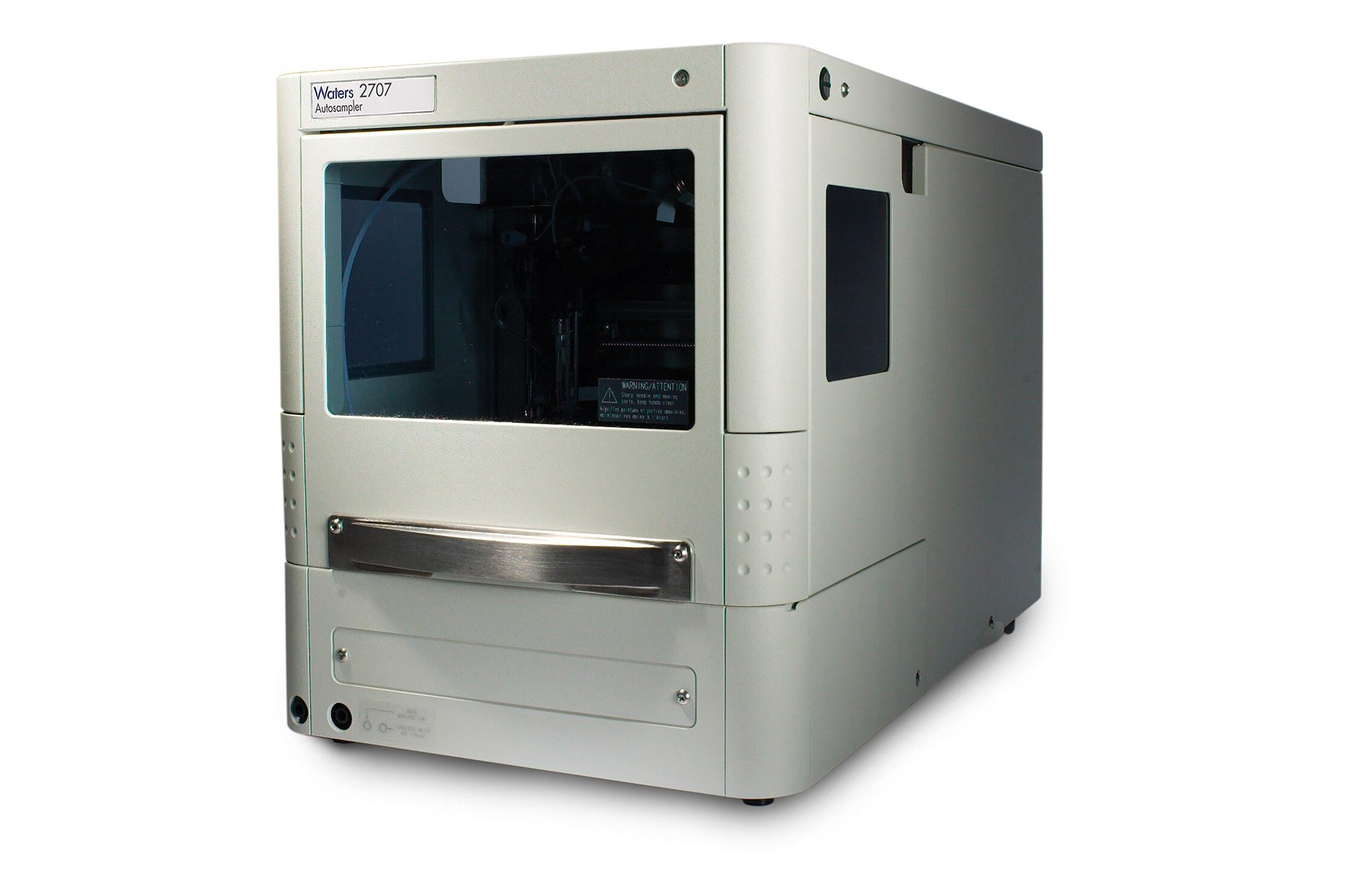
2707自动进样器
2707自动进样器是一款多功能的紧凑型样品管理系统,可以在LC或LC-MS系统上执行高精密度、高重现性的进样。它非常适合关注重点在于减小残留、尽可能提高重现性、准确度和应用灵活性的实验室。
特点:
- 设计紧凑,易于维护
- 搭配高分辨率注射器控件,实现高精密度进样
- 可互换的固定体积样品定量环
- 提供体积可设置的不充满定量环进样功能
- 选配样品冷却功能,结果更一致
- 具有压力辅助样品抽吸和进样功能
- 既能单独使用样品板或样品瓶,也可以将两者相结合,轻松适配各种采样形式
- Empower和ChromScope v2.1软件控制
3767样品管理器(进样器/收集器)
Waters 3767样品管理器是一款高容量样品处理系统,操作简单,能够自动化管理在单一HPLC或LC/MS平台上并行操作的进样、峰馏分收集以及馏分分析过程。3767适用于分析级和制备级纯化应用,由Waters MassLynx软件控制,并与LC Prep AutoPurification系统和SFC Prep 150 AP系统兼容。
特点:
- 兼容性强,可使用多种样品规格(试管、微孔板和样品瓶)执行进样和馏分收集
- 配备独立的分析型和制备型进样阀,方便用户在分析级与制备级分离和纯化之间切换
- 还可选配通风橱用于局部通风,排出有害蒸气
- 用于进样和馏分收集的高容量单一平台(可容纳至多15个96孔微孔板;544支13 × 100 mm试管;720个2 mL样品瓶)
- 按顺序或一对一收集样品馏分
- 高速清洗泵,可快速清洗喷头

手动制备型进样器套装
手动制备型进样器套装同样采用可靠的3725i制备型进样器,标配5 mL样品定量环和10 mL样品定量环并随附于启动套装中。其他尺寸的定量环需另行订购。使用“部分充满”或“完全充满”选项设置样品定量环的装入方法。
特点:
- 在流路连接期间保持连续流动,实现无差错切换
- 便捷的内部位置开关为数据工作站提供启动信号,或为检测器提供自动复零信号
- 接头端口角度大,易检修

FlexInject手动双进样器模块
FlexInject手动双进样器模块可搭配任意流体混合系统使用,包括沃特世高压混合溶剂输送模块(2545二元梯度模块或1525EF二元HPLC泵)。
特点:
- 只需选择阀,即可进行小体积或大体积进样
- 可根据样品量选择合适的进样器和色谱柱
- 运行流速可高达150 mL/min
- 易于操作和维护
- 模块安装在输送系统的两侧,方便检修

制备型色谱机架
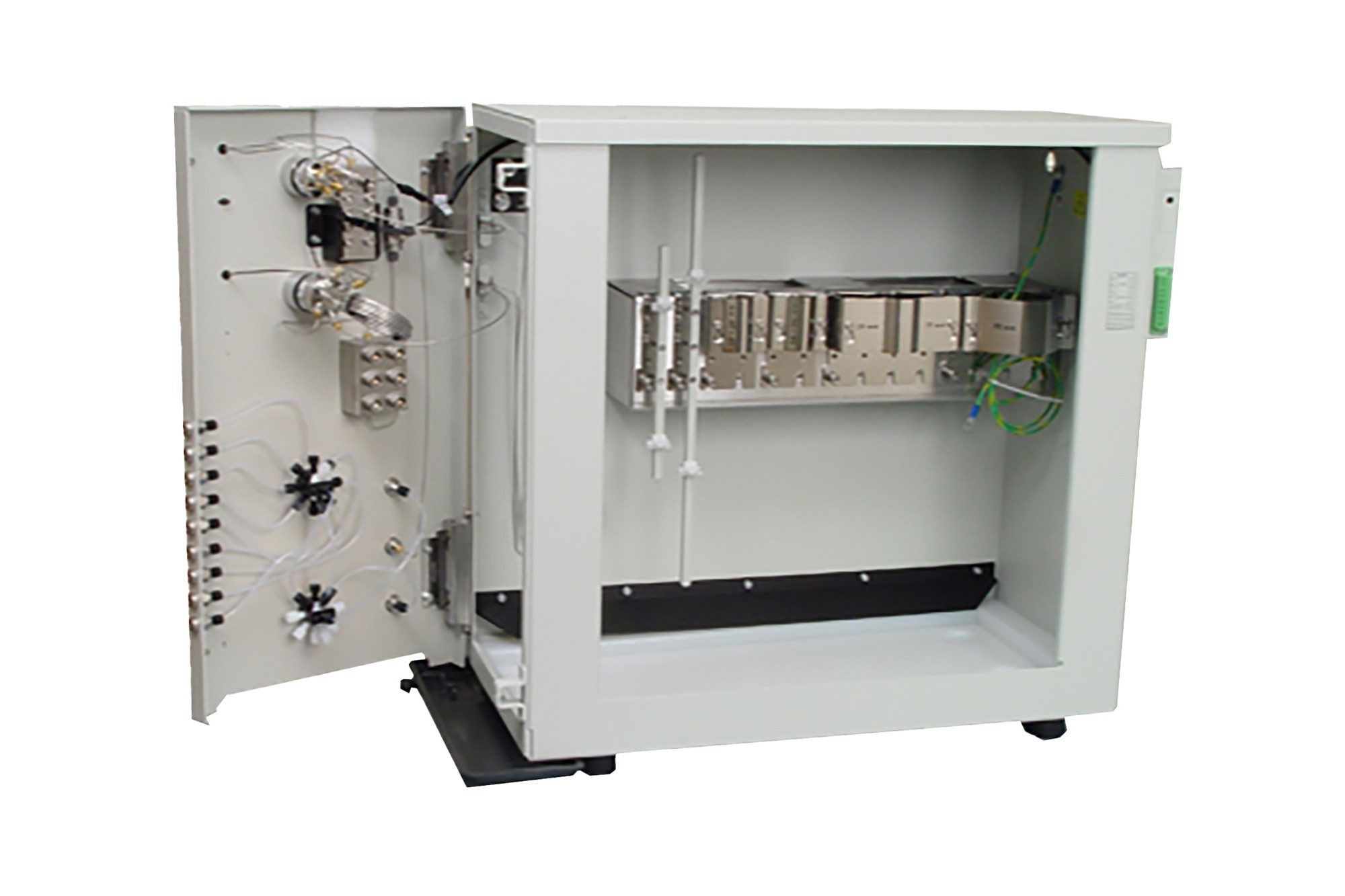
沃特世制备型色谱机架(PCR)集成了小型和大型手动进样器与手动馏分收集功能,使您能够通过规模选择阀在小型和大型流路之间切换。
特点:
- 只需选择阀,即可进行小体积或大体积进样
- 可根据样品量选择合适的进样器和色谱柱,范围涵盖3.9 mm至50 mm
- 运行流速可高达150 mL/min
- 手动收集至多8种馏分


HPLC Sample Management constitutes a comprehensive array of procedures and methodologies designed to ensure the effective and precise handling of samples throughout the process of high-performance liquid chromatography (HPLC) purification. This fundamental facet of chromatography involves a sequence of crucial steps:
Sample Preparation: Prior to commencing the purification procedure, it is essential to adequately prepare samples. This involves guaranteeing proper dissolution of samples in the suitable solvent and filtration to eliminate any particulate matter that might disrupt the HPLC analysis.
Column Selection: The selection of the appropriate HPLC column is pivotal for successful purification. The column's stationary phase, dimensions, and particle size must be chosen based on the specific characteristics of the sample undergoing purification.
Method Development: The formulation of an effective purification method requires the optimization of parameters such as mobile phase composition, gradient conditions, and flow rates. This step ensures the separation of the target compound from impurities with high resolution.
Fraction Collection: Throughout the purification process, the HPLC system segregates sample components based on their affinity for the stationary phase. Fraction collection involves the gathering and storage of eluted fractions containing the purified compound.
Aspiration and Transfer: Following the collection of fractions, it is imperative to aspirate them from the collection vessels. Meticulous handling and transfer of purified samples are necessary to prevent contamination and ensure the integrity of collected fractions.
Sample Injection: Upon completion of the purification process, the purified sample is introduced into the HPLC system for further analysis or downstream applications. Employing proper injection techniques is crucial for maintaining the accuracy and reproducibility of results.
Data Management: The recording and management of data generated during the purification process are crucial for traceability and quality control. This encompasses documenting key parameters such as injection volume, flow rates, and fraction collection times.
Instrument Calibration and Maintenance: Routine calibration and maintenance of the HPLC system are essential to ensure its proper functioning. This involves verifying detector sensitivity, checking flow rates, and replacing consumables to prevent issues that could compromise sample purity.
Quality Control: The implementation of quality control measures, such as running standard reference samples, aids in validating the efficiency and reproducibility of the purification process. This step ensures that purified samples meet the required quality standards.
User Training and Documentation: Providing adequate training to personnel involved in the purification process is crucial to minimize errors and optimize efficiency. Additionally, maintaining comprehensive documentation of procedures and results is essential for compliance with regulatory requirements and for troubleshooting purposes.
In summary, "Purification HPLC Sample Management" entails a meticulously orchestrated series of steps, spanning from sample preparation to data management, with the goal of achieving precise and reliable purification of target compounds through high-performance liquid chromatography.