
Isolation of Metal-Sensitive Compounds from Peppermint Tea Using an Inert Preparative Column Enabled with MaxPeak™ Premier Technology
Jo-Ann Jablonski, Kathy Lawrence
Waters Corporation, United States
Published on September 17, 2026

Abstract
Complex sample mixtures contain many compounds with unique properties. Although it would be advantageous to simply select a separation column and method that guarantees compound isolation success, predicting how compounds will interact with the column is not always straightforward. The sample mixture often contains both the target compound, as well as many unknown entities that must be isolated and characterized. While the purification chemist might be able to predict how the target compound will interact with the column packing, other moieties present in the sample may complicate the separation by interacting with the stainless steel column and LC system components.1 For compounds which have strong acidic groups like sulfates, phosphates, or carboxylic acids, these interactions may not be distinctly evident, indicating their presence only with intentional analysis which reveal reduced peak areas or sensitivities. In extreme cases, these interactions completely prevent compound detection, a particularly troubling outcome especially if the target compound is present in minute quantities. Nevertheless, compound to metal interactions complicate target isolation, making it challenging to complete the purification efficiently. MaxPeak Premier Preparative Columns have inert surfaces which reduce undesirable interactions between certain compounds and the stainless steel or other metals present in typical columns. In this study, peppermint tea extract was used to illustrate the benefits that columns with inert surfaces provide to the purification chemist charged with isolating target compounds from complex sample mixtures. The principles outlined here are applicable to any preparative purification where the target compound detection and collection may be compromised by interactions with the stainless-steel column components.
Benefits
MaxPeak Premier OBD™ Preparative Columns:
- Reduce interactions between certain compounds and the stainless steel components in the column, promoting enhanced target compound detection for improved compound isolation
- Provide full scalability from UHPLC to Prep for predictable target collection using Waters highly controlled Optimum Bed Density (OBD)2 column packing process, ensuring that preparative columns are of similar bed density to analytical columns of the same chemistry
- Save time and increase efficiency by employing columns that prevent target compound interaction with metals, leading to reduced column conditioning time and enhanced collection in fewer chromatographic runs
Introduction
Compound isolation is routinely performed in many research and process development laboratories in pharmaceutical, biopharmaceutical, food, environmental, natural product, and material science companies. Lab scale purifications, defined as isolations in which tens to hundreds of milligrams of target compound are isolated from crude sample mixtures, require a larger diameter column, typically with a 19 mm internal diameter. A column which can resolve closely eluting product and impurity peaks efficiently is essential for the synthetic chemist purifying his own compounds or for the purification scientist isolating compounds from libraries of compounds in sample plates.
Peppermint tea possesses a number of antioxidant polyphenolic compounds, many of which are structurally related and are of medicinal interest.3-5 A crude peppermint tea extract was chosen as an example to demonstrate the benefits of inert column hardware where target compound detection and collection may be compromised by interactions with stainless steel column components. The crude peppermint extract was first analyzed by UHPLC, then the separation was scaled for compound isolation using two 19 x 150 mm columns, an XBridge™ BEH™ C18 MaxPeak Premier OBD Preparative Column and a stainless steel XBridge BEH C18 OBD Preparative Column. Peak responses obtained using MaxPeak Premier Columns with inert hardware were improved at the analytical scale as well as at both low- and high-level sample loading for preparative LC. Improved peak responses lead to enhanced detection and successful fraction triggering for compound isolation.
Experimental
Sample Description
Two peppermint tea bags were placed in two cups of hot water and were allowed to steep overnight at room temperature. Ten milliliters of peppermint tea extract were filtered using a 25 mm Acrodisc® Syringe Filter with 0.45 μm water wettable polytetrafluoroethane membrane (p/n: 186009326).
LC Conditions
|
LC systems: |
Waters AutoPurification System ACQUITY™ UPLC™ H-Class System |
|
UV detection: |
AutoPurification System: 2998 Photodiode Array (PDA) Detector H-Class System: ACQUITY UPLC TUV Detector Wavelength: 254 nm |
|
Columns: |
XBridge Premier BEH C18 Column, 2.1 x 100 mm, 3.5 μm (p/n: 186010651) XBridge BEH C18 Column, 2.1 x 100 mm, 3.5 μm (p/n: 186003022) XBridge BEH C18 MaxPeak Premier OBD Prep Column, 5 μm, 19 x 150 mm (p/n: 186011809) XBridge BEH C18 OBD Prep Column, 5 μm, 19 x 150 mm (p/n: 186002979) |
|
Column temperature: |
Ambient |
|
Sample temperature: |
Ambient |
|
Sample loop (prep): |
500 μL; stainless steel |
|
Injection volumes: |
Analytical 1 μL, 10 μL; Preparative 12 μL; 123 μL |
|
Flow rates: |
Analytical 0.4 mL/min; Prep 23 mL/min |
|
Mobile phase A: |
Water with 0.1% formic acid |
|
Mobile phase B: |
Acetonitrile with 0.1% formic acid |
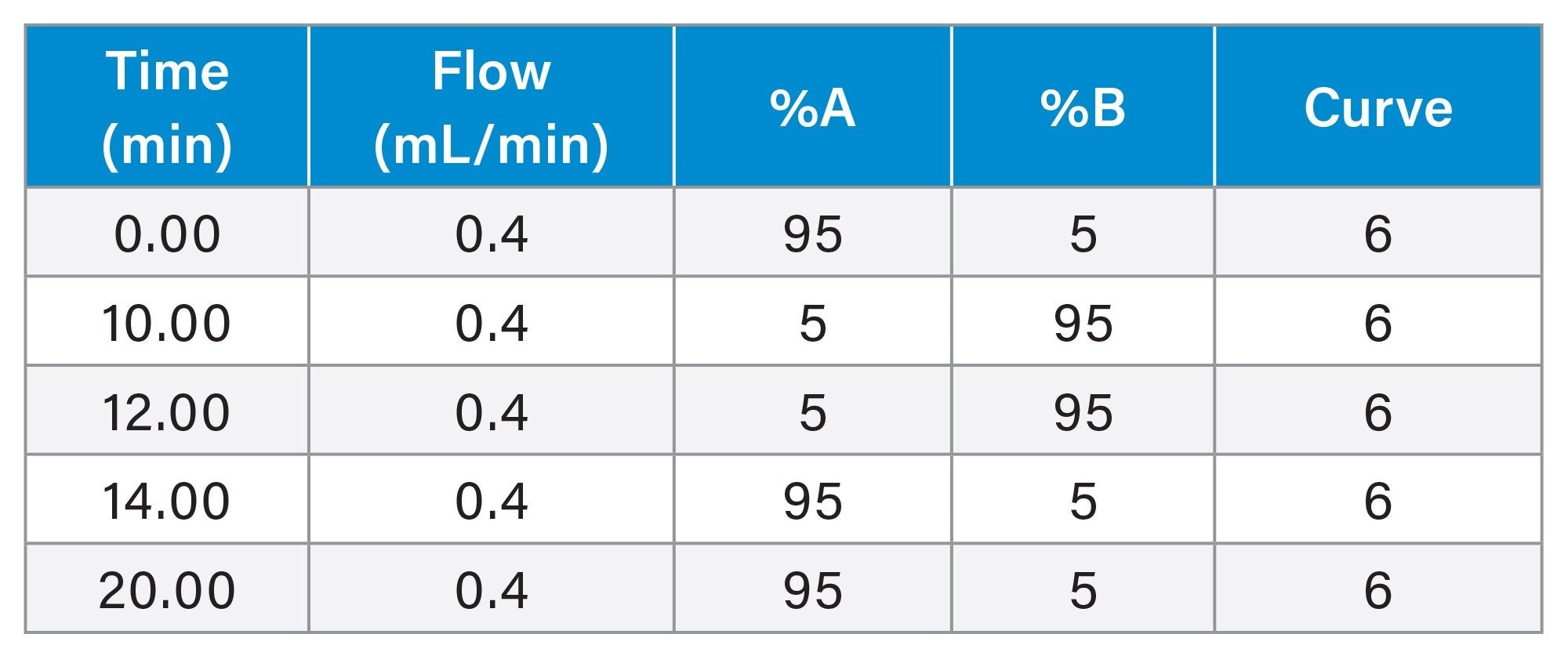
Gradient Table: Analytical Scouting Method
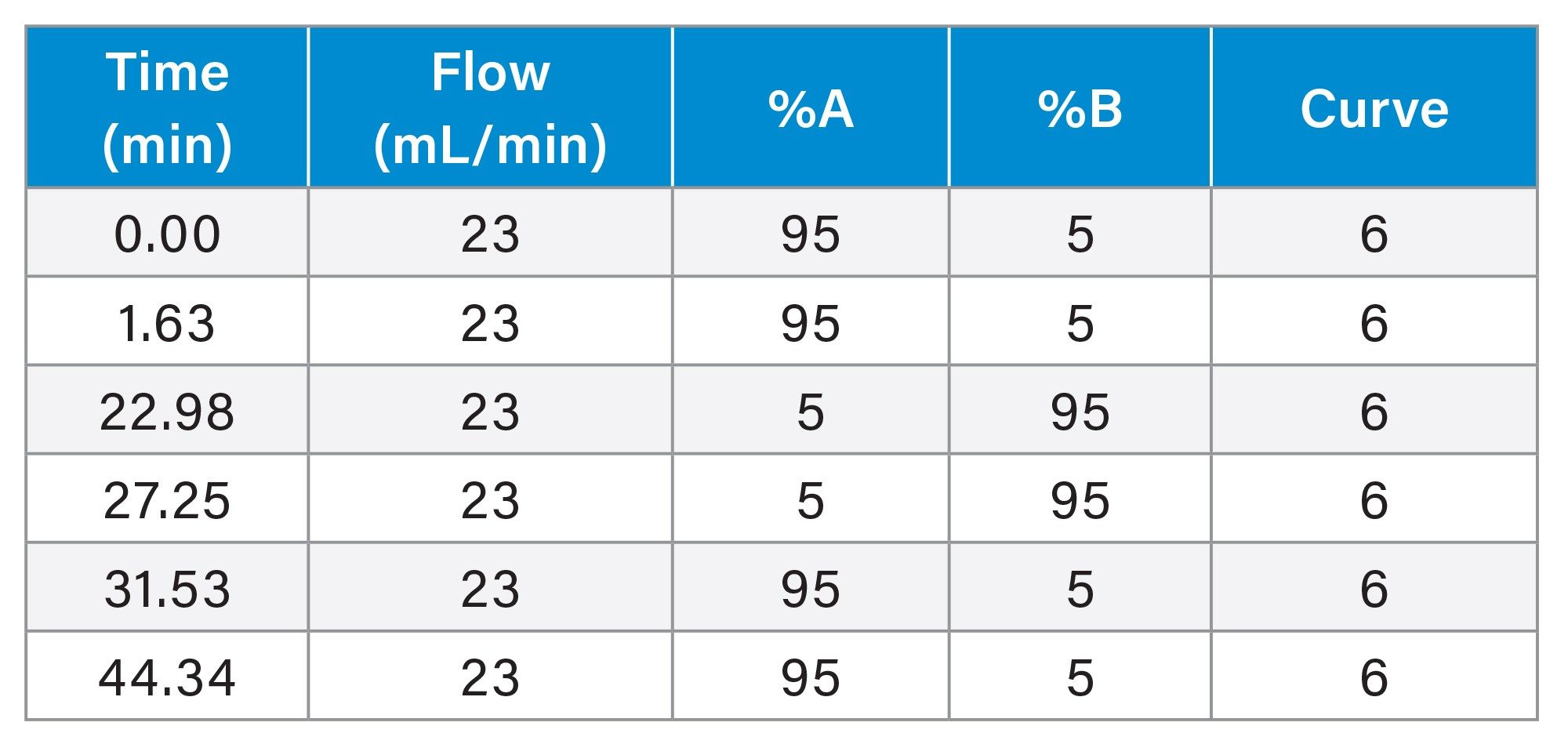
Gradient Table: Preparative Method
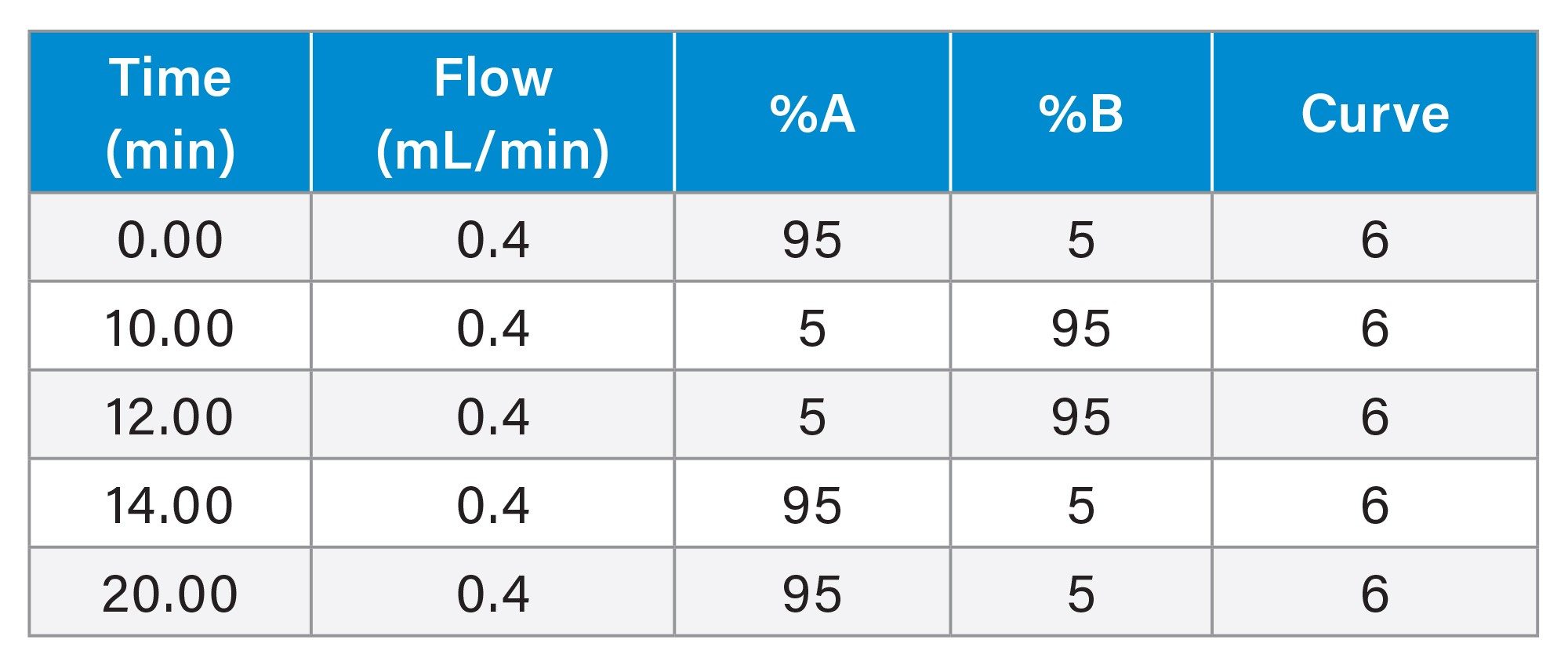
Gradient Table: Fraction Analysis Method
Data Management
|
Chromatography software: |
MassLynx™ Software (version 4.2) |
|
Application manager: |
FractionLynx Software |
Results and Discussion
Complex natural product extracts are comprised of hundreds of structural analogs and isomers, many of which provide beneficial outcomes for various health issues. Preparative liquid chromatography is the most used technique for the isolation of these bioactive compounds and recovering the desired targets at the required purity and yield in the least amount of time is of great importance.
The success of an isolation is dependent upon the target compound’s chemical properties, as well as the column and the separation method. Sometimes HPLC analysis of the crude sample mixture yields unexpected chromatographic behavior, including poor peak shape for acidic compounds, inconsistent retention times and peak areas, and low sensitivity, which can all impact the success of the purification with compromised purity and target compound recovery. Problematic compounds which produce these undesirable outcomes are known as non-specific adsorbers (NSAs). NSAs are metal-sensitive targets that can adsorb to positively charged metal surfaces in the LC system flow path and column, making them difficult to detect and collect during purification.
Although other methods, such as column pre-conditioning, using additives in the mobile phase, capturing waste for each injection, or employing time-based fraction collection for isolating compounds known to be interactive can be implemented to circumvent issues with NSAs, these options are time-consuming and lead to sample loss and excessive solvent waste. The simplest way to address the NSA problem is to employ an inert column. Peppermint tea extract was chosen as an example to demonstrate the benefits of inert column hardware where target compound detection and collection may be compromised by interactions with stainless-steel column components.
An XBridge Premier BEH C18 Column (inert type) and an XBridge BEH C18 Column (traditional stainless-steel type) were used to evaluate the crude peppermint tea extract with a fast screening gradient. Both columns were of the same dimension (2.1 x 100 mm) and packed with 3.5 μm particles (Figure 1).
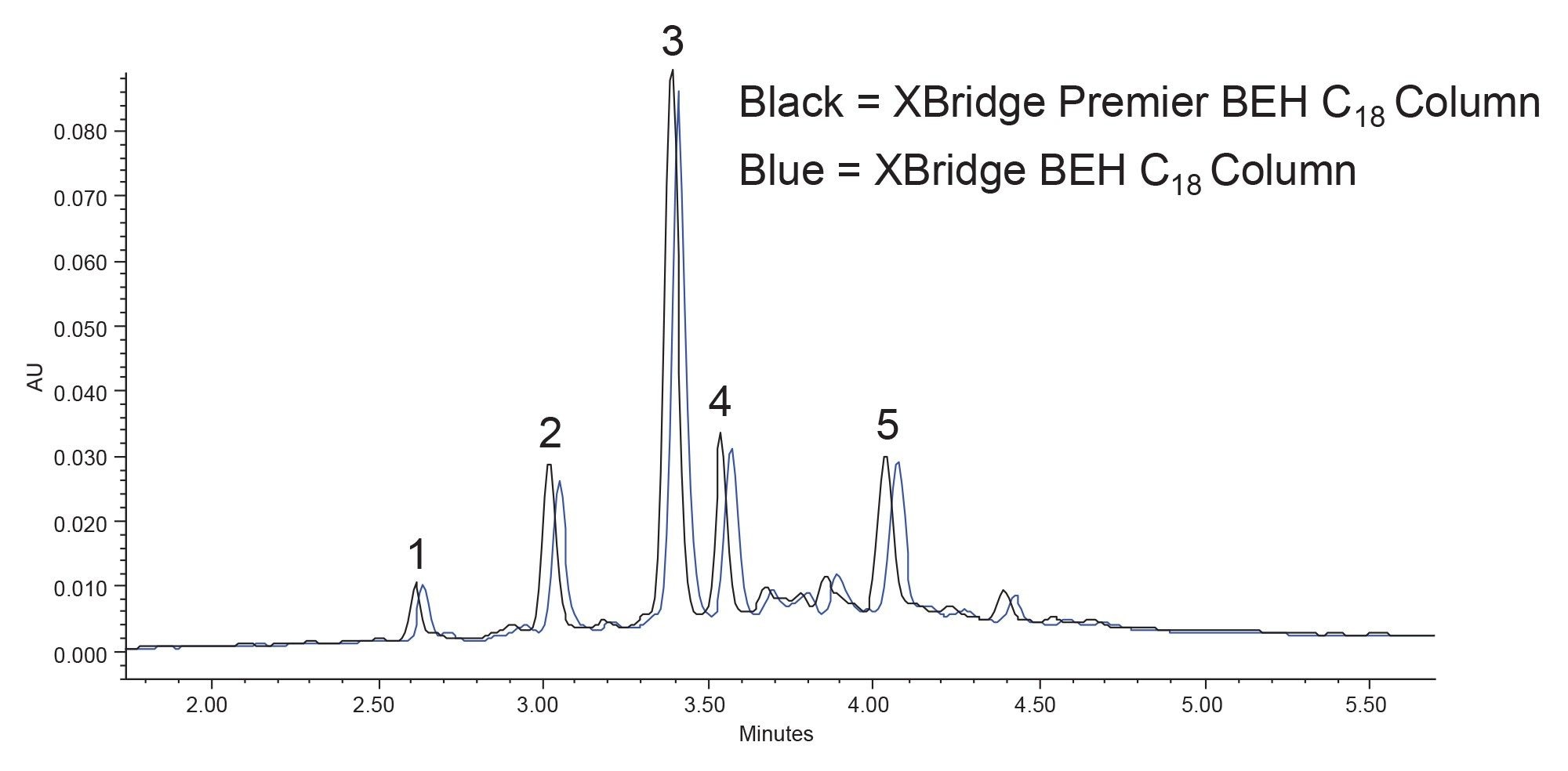
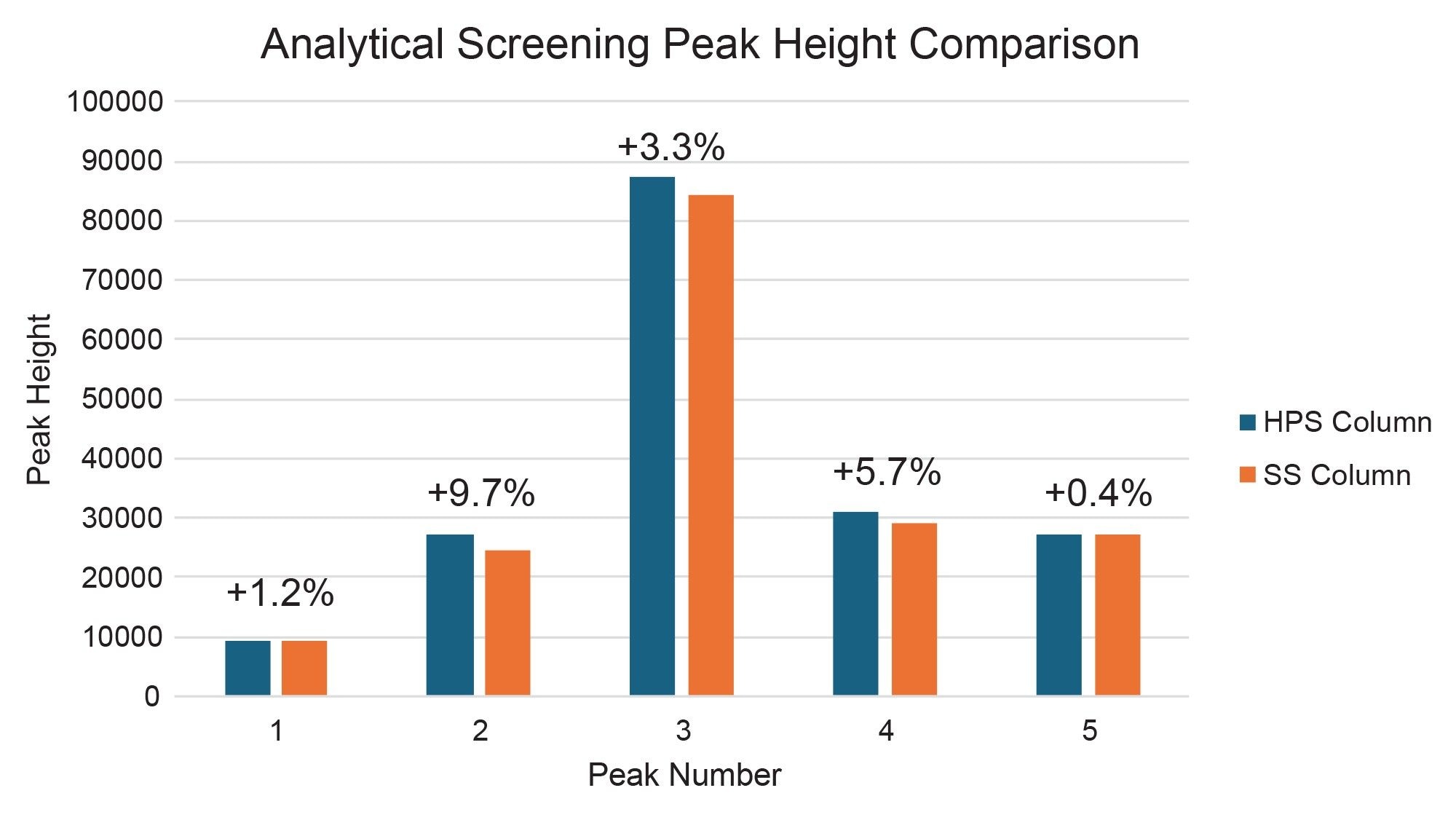
The XBridge Premier Column (black trace) showed slight, but noticeable increases in peak heights over the standard XBridge Column (blue trace) for each of the numbered peaks. In fact, the improvement in peak height in the analytical chromatogram from the Premier Column ranged from 0.4% to almost 10% compared to the peak heights observed on the standard stainless-steel column (Figure 2). MaxPeak Premier Columns are enabled with High-Performance Surface (HPS) Technology, which renders them inert.
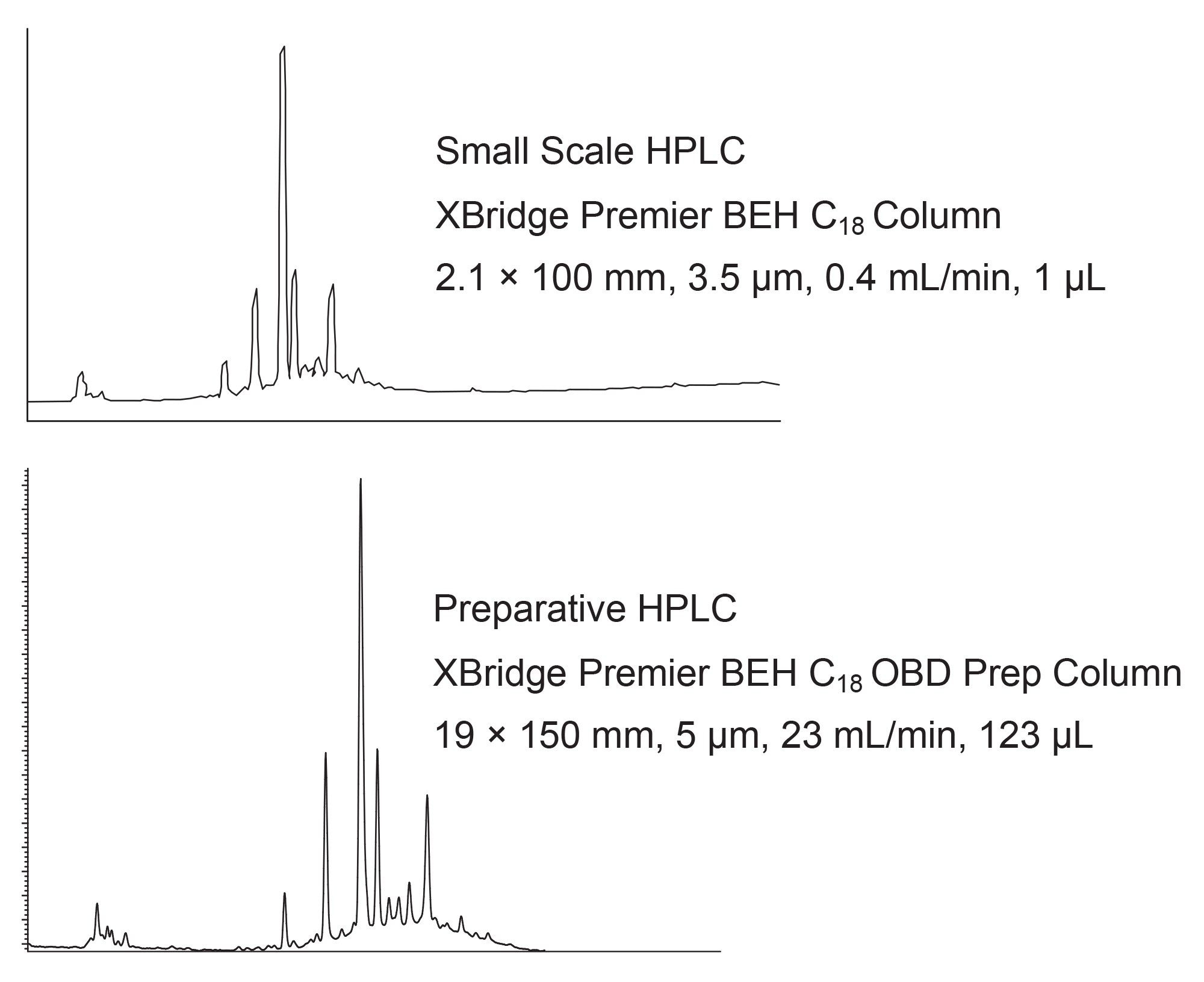
Scaling the separation from UHPLC to prep (Figure 3) illustrates the predictability inherent in Waters columns when well-packed preparative columns and the rules of scaling6 are employed. The top chromatogram shows the separation obtained on the analytical column, while the bottom chromatogram shows the separation observed on the preparative column. The peaks eluted slightly later in the preparative separation because the column was 150 mm in length, whereas the analytical column was 100 mm in length. The longer preparative column was required to maintain the resolution when scaling between two columns with different particle sizes. Resolution is preserved when the ratio of the length of the column to the particle size packed in the column (L/dp) is similar between the two columns.7 The 2.1 x 100 mm, 3.5 μm UHPLC column used in this separation had an L/dp value of 28,571 whereas the 19 x 150 mm, 5 μm preparative column had a similar L/dp value of 30,000. Waters highly controlled OBD column packing process ensures that preparative columns are of similar bed density to analytical columns of the same chemistry, which also promotes predictability in scaleup. Although the analytical and preparative columns were of different lengths, the elution profile was absolutely the same because of the similar L/dp values between the two columns, the uniformly and densely packed OBD Column, and the adherence to the rules of scaling.
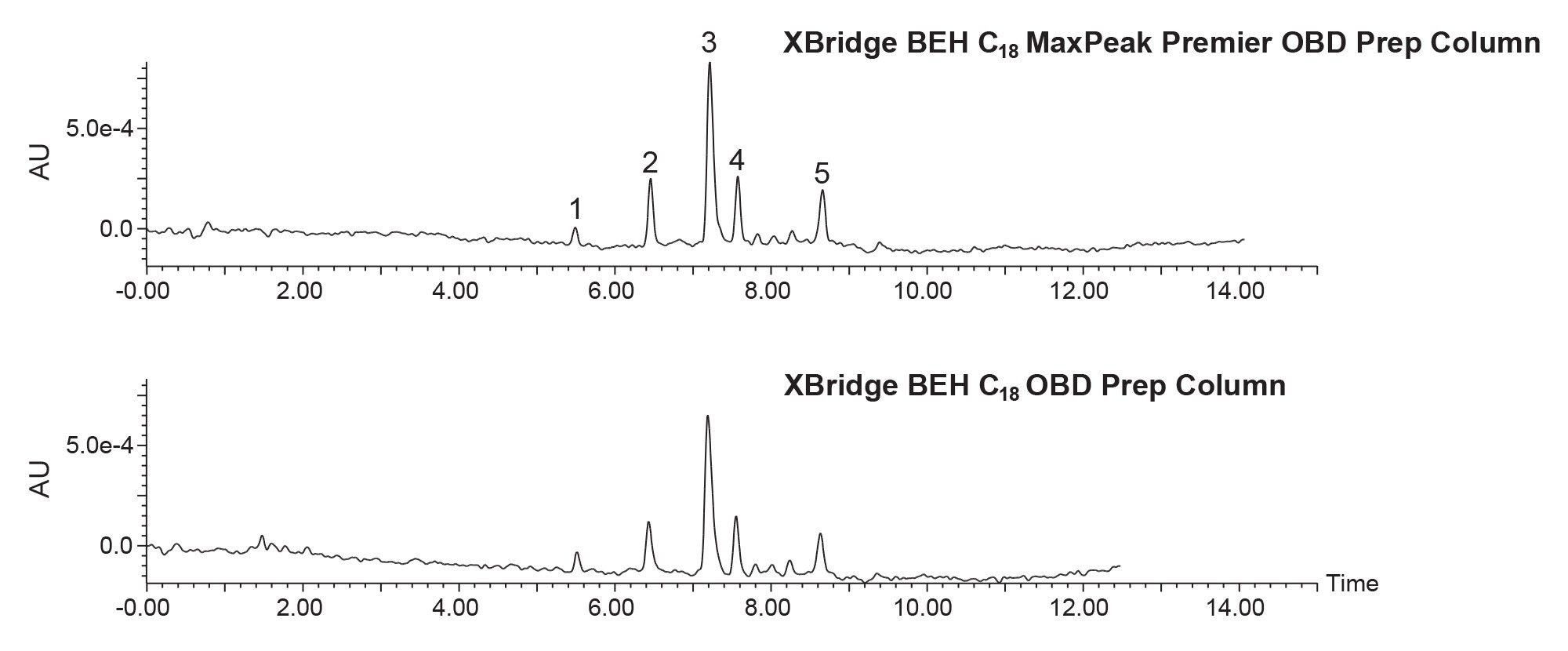
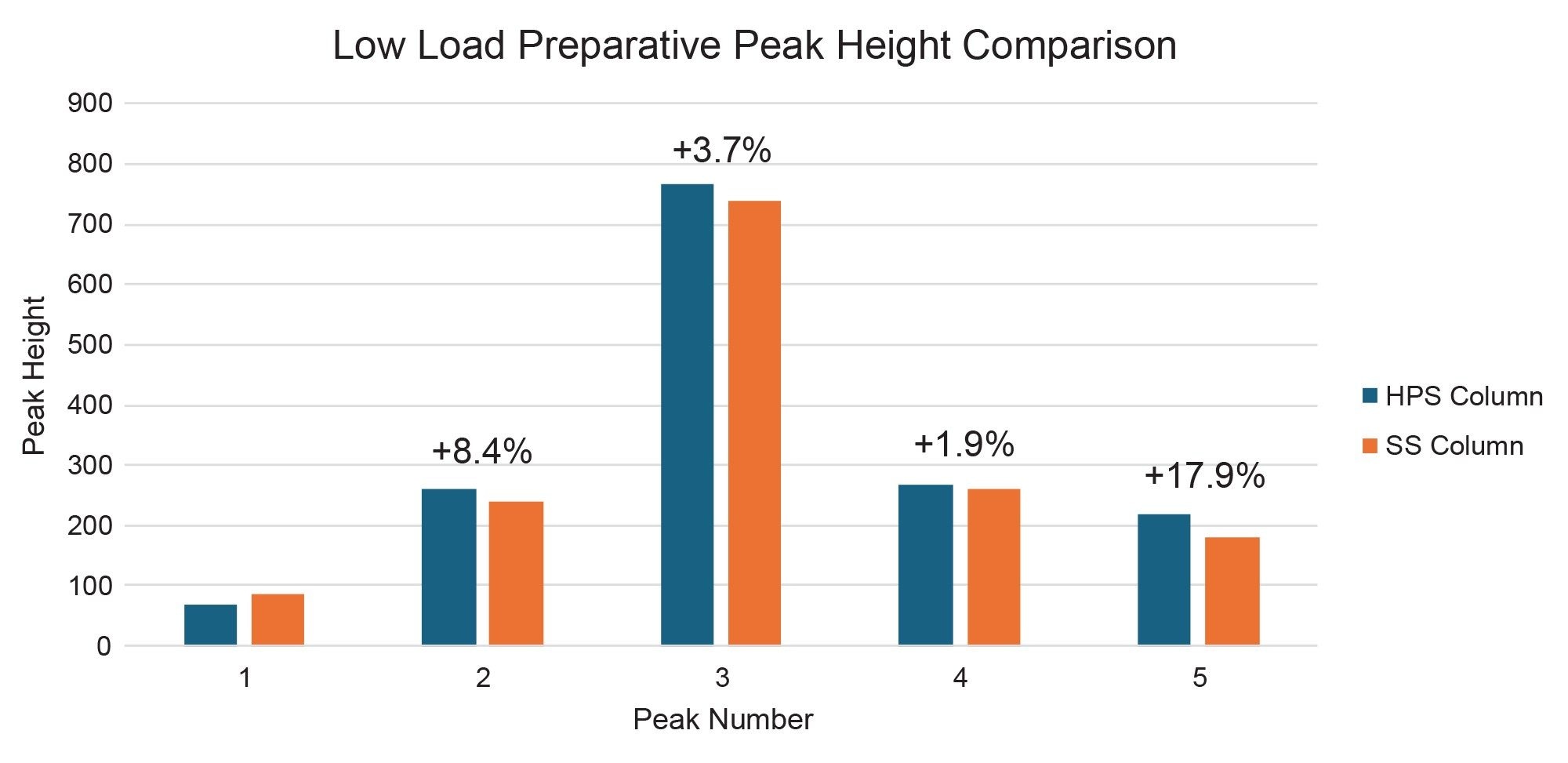
Sometimes the purification scientist has limited sample available. The column must perform at low sample loading as well as when higher amounts of sample are injected for isolation. Figure 4 shows the chromatography obtained when the amount of sample introduced to the column was ten-fold less than the scaled calculated amount. With an injection volume of 1 μL at the analytical scale, loading on the 19 x 150 mm preparative columns would be 123 μL, but 10x less (only 12 μL of the tea extract) was injected instead. As expected, the elution profile was identical between the XBridge BEH C18 MaxPeak Premier and XBridge BEH C18 OBD Prep Columns, but the peak heights on the Premier Column were higher (ranging from 2 to 18%) for nearly all peaks (Figure 5). This data illustrates the viability of the inert column (the MaxPeak Premier type) and its associated performance enhancement even at low load, which is important for those isolating very low levels of target with limited sample available. Any enhancement in detection is crucial to success.
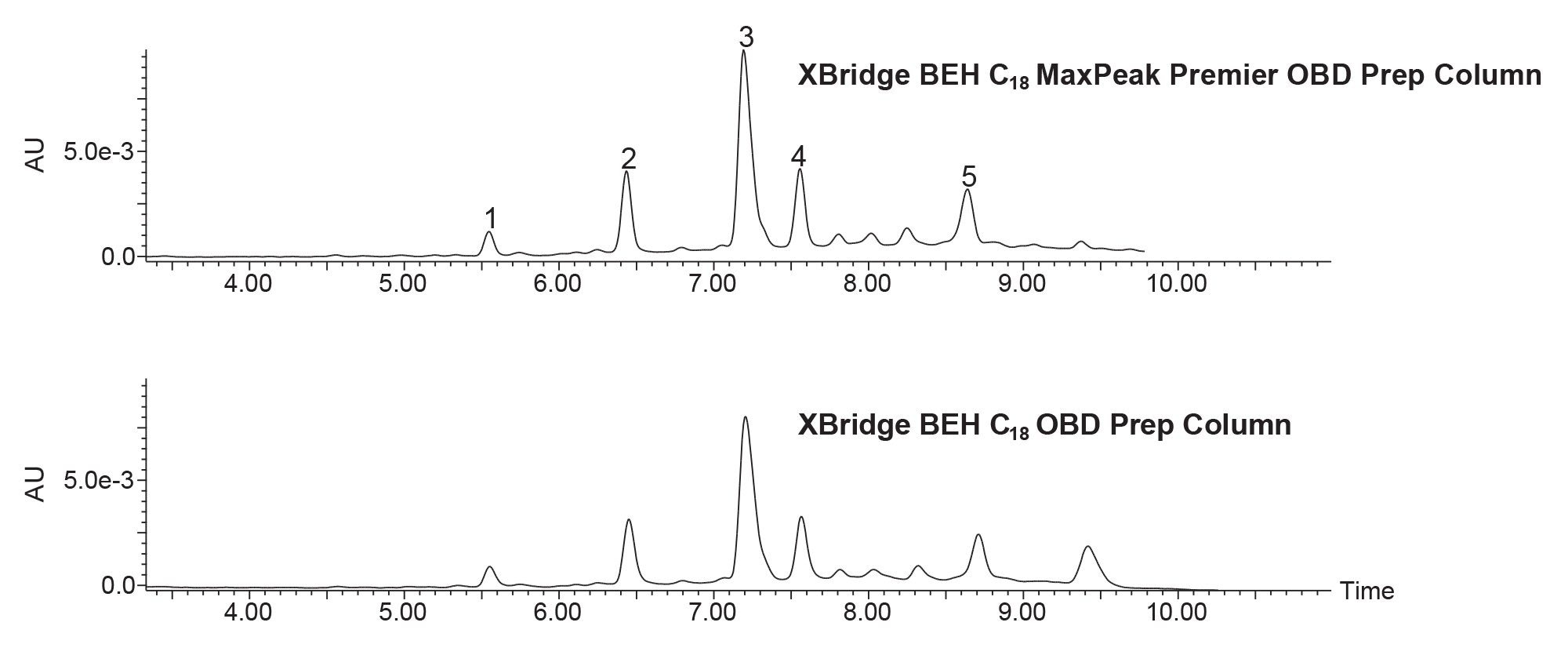
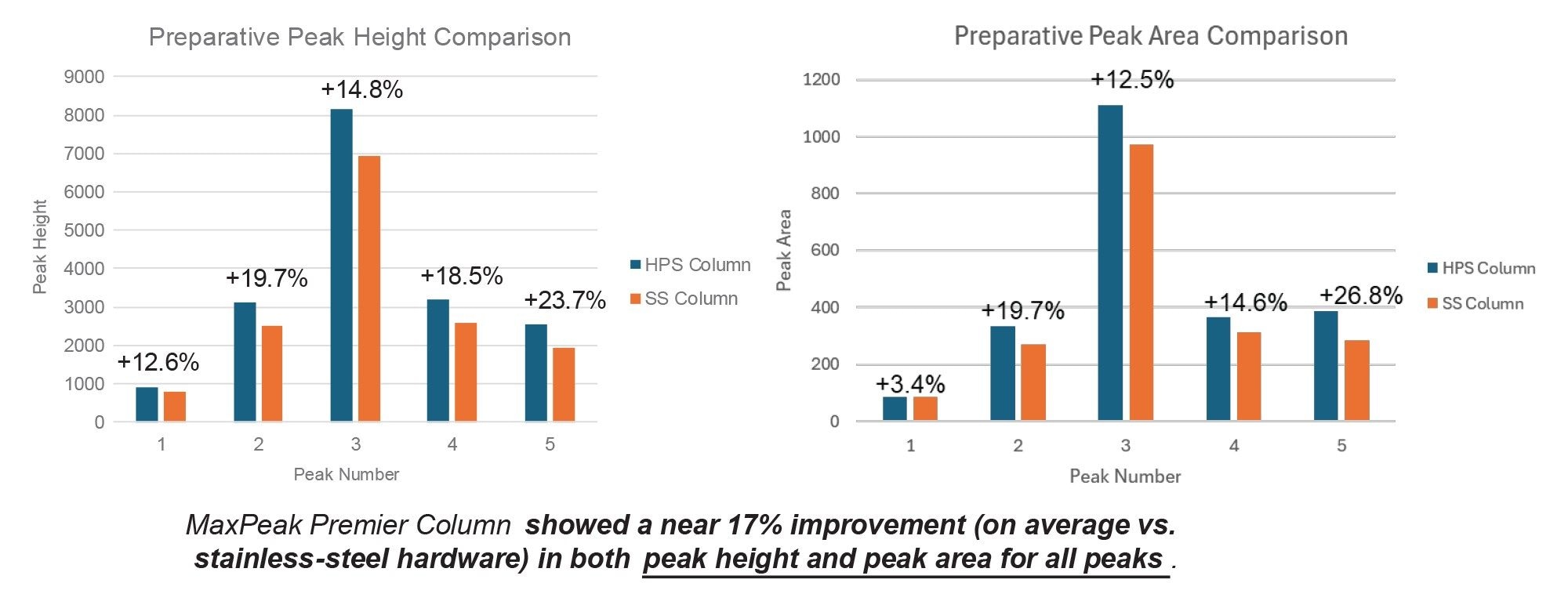
Preparative separations at the scaled loading volume of 123 μL are shown in Figure 6. As for the low-load sample loading, the chromatography for the scaled loading volume was predictably reproducible. Figure 7 shows the real value of the MaxPeak Premier Column with about a 17% improvement (on average vs. stainless steel hardware) for both peak height and peak area for all peaks. More material collected from the same injection volume leads to fewer required injections, which saves time isolating the product with faster turn-around time to obtaining the final product.
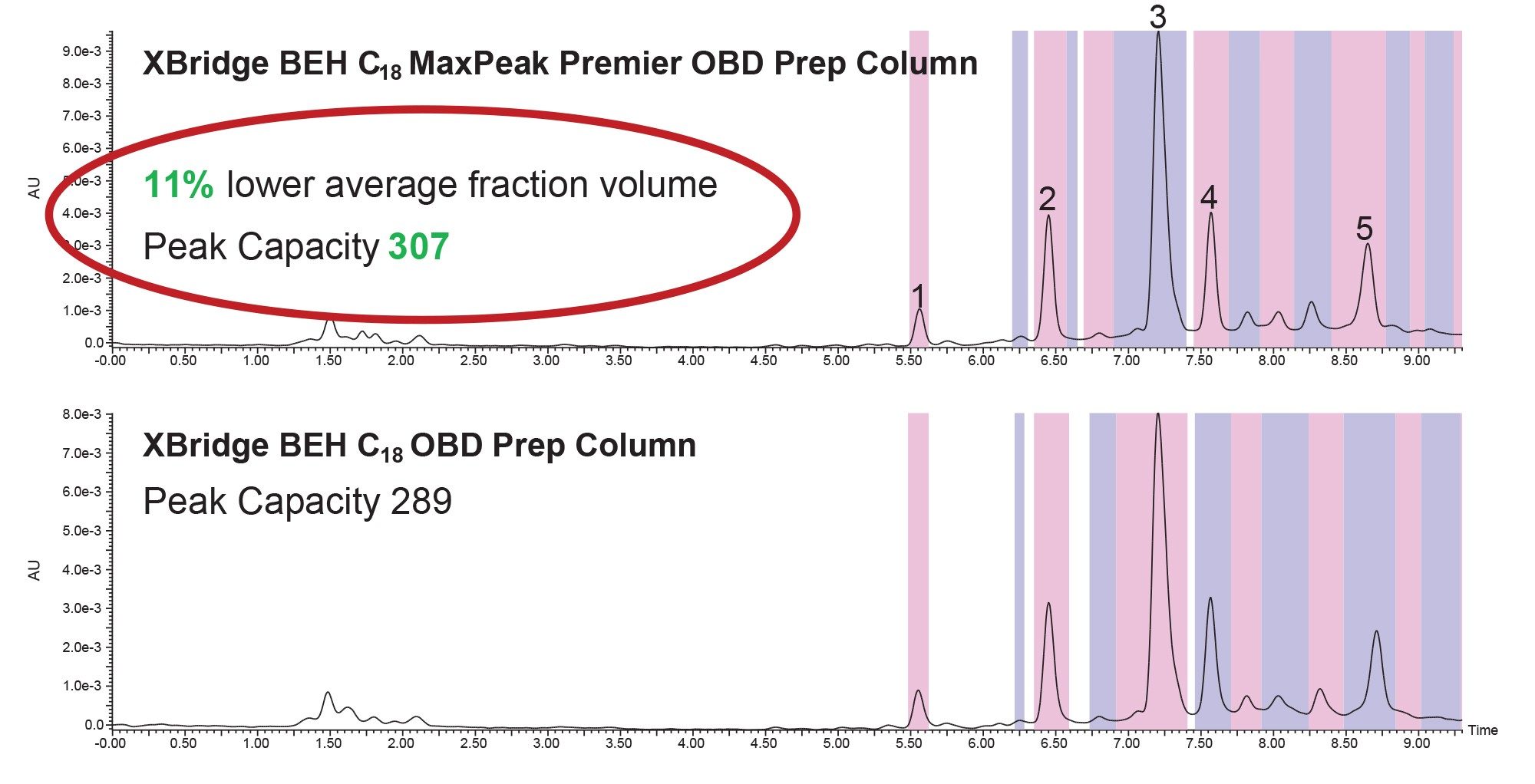
As laboratories seek to achieve sustainability, any improvements in processing become desirable. The 11% reduction in average fraction volume for collections from the MaxPeak Premier Column as compared to the stainless-steel column (Figure 8) decreases the time needed to obtain the product in dried form. Shorter fraction drying times save energy and, in addition, less waste is generated.
Peak capacity,8 the maximum theoretical number of components that can be separated within the specified gradient time, is a useful measure for comparing gradient separations. Peak capacity was calculated as defined in this equation:
Pc = 1 + (tg / Wavg )
Pc is peak capacity
Wavg is average peak width
tg is gradient time
For highly complex mixtures, maximizing the peak capacity by optimizing the method conditions improves the chances of resolving as many sample components as possible. The MaxPeak Premier Column had a peak capacity of 307, while a peak capacity of 289 was obtained on the stainless-steel column. For LC purifications, resolving more peaks leads to better target recovery with higher purity.
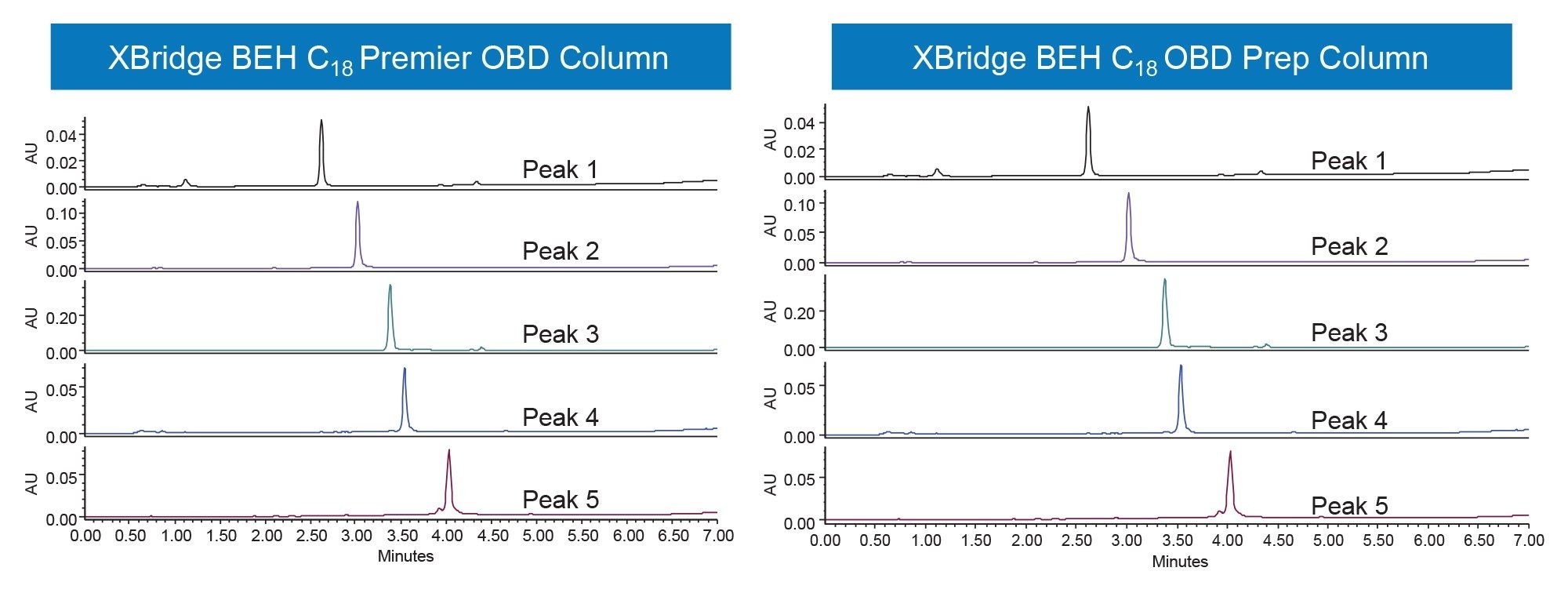
Qualitative fraction pool analysis was performed on the 2.1 x 100 mm, 3.5 μm XBridge Premier BEH C18 Column for each of the peaks isolated on each of the preparative columns. All peaks showed good purity, except for the extremely small peak 5 which had a small contaminant eluting just before the main peak. Although UV purity for peak 5 was ~65%, an additional purification step could be performed if necessary.
Conclusion
Peppermint tea extract was analyzed and several of the unknown compounds within the crude sample mixture were isolated using both an XBridge BEH C18 MaxPeak Premier OBD Prep Column and a stainless-steel XBridge BEH C18 OBD Prep Column. MaxPeak Premier Columns, with their inert surfaces, reduce interactions between certain compounds and the stainless-steel present in conventional columns. Scaling from UHPLC to preparative chromatography was predictable with preparative LC columns manufactured with Waters OBD Technology, the column packing process that ensures that preparative columns have similar bed density to analytical columns of the same chemistry. The Waters HPS Technology utilized in MaxPeak Premier Columns increased the peak responses at the analytical scale (0.4 to 10%) as well as at both low level (2 to 18%) and at scaled sample loading (average ~17%) on the preparative scale. Improved peak responses at low sample loading levels are crucial for chemists who must analyze and characterize process impurities. Smaller fraction volumes and increased peak capacity on separations performed using the MaxPeak Premier preparative inert column provided compelling evidence for improving purification processing by achieving better resolution between components in the sample extract as well as making way for faster drying times to yield final products. Qualitative fraction pool analysis showed equivalent purity for each of the peaks isolated from the crude peppermint extract on each of the preparative columns employed in the study. MaxPeak Premier inert columns are well-suited for the demands of the purification laboratory when results must be generated quickly and efficiently to satisfy accelerated project timelines.
References
1. DeLano, M.; et al. Anal. Chem., 2021, 93, 5773-5781. https://doi.org/10.1021/acs.analchem.0c05203
2. Topics in Liquid Chromatography, Part 2: Optimum Bed Density [OBD™] Columns: Enabling Technology for Laboratory-Scale Isolation and Purification. Waters Corporation. White Paper, 720001939, 2012.
3. Kapp, K.; et al. Commercial peppermint (Mentha x piperita L.) teas: Antichlamydial effect and polyphenolic composition. Food Research International, 2013, Vol. 53, 758-766. http://dx.doi.org/10.1016/j.foodres.2013.02.2015.
4. Uribe, E.; et al. Food Chemistry, 2016, 190, 559-565. http://dx.doi.org/10.1016/j.foodchem.2015.05.108 0308-8146
5. Zhao, H.; et al. Biomedicine & Pharmacotherapy, 2022, 154, 113559. https://doi.org/10.1016/j.bioha.2022.113559.
6. Jablonski, J. Applying the 5 Rules of Scale Up in LC Purification. Waters Corporation; Article: 720008481 < https://www.waters.com/nextgen/global/library/library-details.html?documentid=720008481>, 2024.
7. Jablonski, J. 5 Rules of Scaling LC Purification, Rule #4: Leverage identical column attributes and similar L/dp. Waters Corporation; Article: 720008383 <https://www.waters.com/nextgen/us/en/library/library-details.html?documentid=720008383&t=waters-5RulesofScalingLCPurificationRule4LeverageIdenticalColumnAttributesandSimilarLdpAttributes-720008383>, 2024.
8. Berthelette, K.; Nguyen, J.; Turner, J. Improving Peak Capacity While Maintaining Selectivity Using CORTECS Columns on an Agilent 1290 LC System. Waters Application Note, 720007250, 2021.
720009576, September 2026