
Predictable Isolation of Radioligand Therapy Precursor PSMA-617 and Closely Eluting Impurities from a Forced Degradation Study Using a MaxPeak™ Premier OBD™ Preparative Column
Jo-Ann Jablonski, Kathy Lawrence, Kenneth Berthelette
Waters Corporation, United States
Published on June 25, 2026

Abstract
Radioligand therapy is becoming more prevalent in precision oncology with its targeted delivery of radiation to cancer cells.1 Previous work detailed the forced degradation of the radioligand therapy precursor PSMA-617 and the development of a suitable UPLC-MS method to separate the resulting components in the crude mixture using MaxPeak High Performance Surfaces (HPS) Technology.2 This technology mitigates the undesirable effects of compound to metal surface interactions with inert surfaces.3 For this study, the forced degradation was repeated at a larger scale to generate enough sample to illustrate the strategy that might be used by the purification scientist to isolate the target compound, PSMA-617, from its closely eluting low-level contaminants. The straightforward and predictable purification process employed a MaxPeak Premier OBD Preparative Column installed on a UV-directed AutoPurification System configured with a Timberline Column Heater.4 The high purity of the recovered PSMA-617 precursor was the ideal outcome since the compound could be useful as a reference standard in subsequent studies. Direct scalability from analytical to prep made the PSMA-617 isolation process efficient, which is highly desirable due to the short half-life of radionuclides being used for targeted cancer therapy.
Benefits
MaxPeak Premier OBD Preparative Columns:
- Provide full scalability from UHPLC to prep for predictable target isolation using Waters highly controlled OBD column packing process, ensuring that preparative columns are of similar bed density to analytical columns of the same chemistry
- Provide improved efficiency for the resolution of closely eluting impurities with 3.5 µm packing
- Reduce unwanted interactions between certain compounds and the stainless steel (or other metal) components in the column
- Promote enhanced target compound detection and improved peak shape for precise fraction triggering and more efficient compound isolation
- Save time by eliminating column conditioning to reduce non-specific adsorption (NSA) prior to starting purification
Introduction
Pharmaceuticals and their degradation products must be meticulously characterized before they can be approved as therapeutics. Typical forced pharmaceutical degradation conditions, which include acidic, basic, oxidative, and thermal treatment, are useful for characterizing the stability and degradation pathways for drug candidates. In these experiments, PSMA-617, the precursor to PLUVICTO® from Novartis, was subjected to acidic, basic, and oxidative conditions and subsequently analyzed by UHPLC. Previous experiments detailed the systematic screening protocol used to speed up method development. The sample mixture for these experiments was first analyzed using similar conditions as previously reported, and then additional adjustments were made to the analysis method for pre-prep optimization. The optimized analytical method was then scaled for the preparative LC isolation.
Experimental
Sample Description
A stock solution of PSMA-617 was created at 5 mg/mL in water. Three separate 4 mL aliquots were removed and placed into polypropylene scintillation vials for degradation. To each vial, 400 µL of a catalyst was added. For acidic degradation, 400 µL of 1 N HCl was added, and the vial was held at 70 °C for 24 hours. For basic degradation, 400 µL of 1 N NaOH was added, and the vial was held at 70 °C for 24 hours. Lastly, for peroxide degradation, 400 µL of 3% H2O2 was added, and the vial was held at 70 °C for 24 hours. All three vials were combined into a single 20 mL Nalgene vial for storage prior to analysis and purification.
LC Conditions
|
LC systems: |
Waters AutoPurification System ACQUITY™ UPLC™ H-Class System |
|
UV detection: |
AutoPurification System: 2998 Photodiode Array Detector H-Class System: ACQUITY UPLC TUV Detector Wavelength: 254 nm |
|
Mass detection: |
H-Class System: QDa™ Mass Detector |
|
Columns: |
XSelect™ Premier CSH™ Phenyl-Hexyl Column, 2.1 x 100 mm, 2.5 µm (p/n: 186009880) XSelect Premier CSH Phenyl-Hexyl OBD Prep Column, 3.5 µm, 10 x 150 mm, (custom column) |
|
Column temperature: |
40 °C ± 5 °C |
|
Sample temperature: |
Ambient |
|
Sample loop (prep): |
500 µL; stainless steel |
|
Injection volumes: |
Analytical 2 µL, 10 µL; Preparative 68 µL |
|
Flow rates: |
Analytical 0.35 mL/min; Prep 5.67 mL/min |
|
Mobile phase A: |
Water with 0.1% Formic Acid |
|
Mobile phase B: |
Methanol with 0.1% Formic Acid |
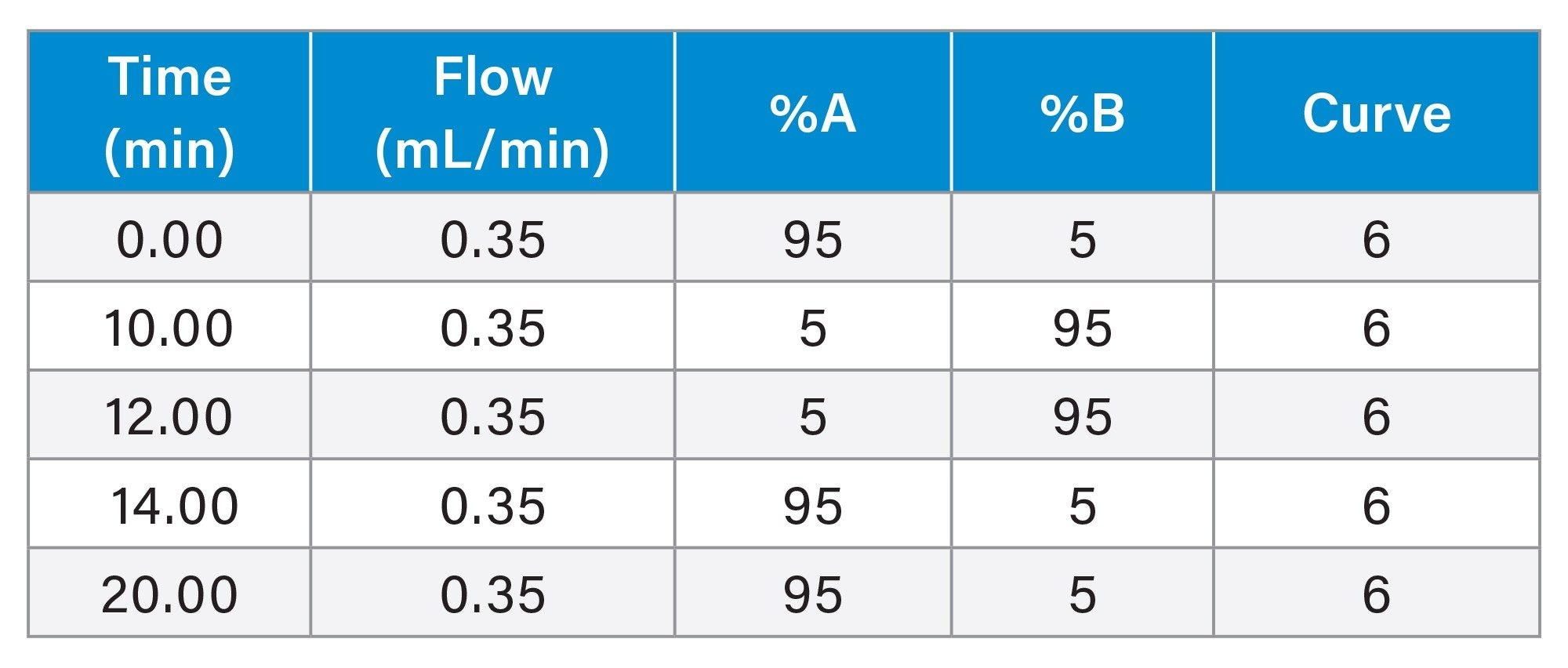
Gradient Table: Analytical Scouting Method
Gradient Table: Analytical Focused Method 1
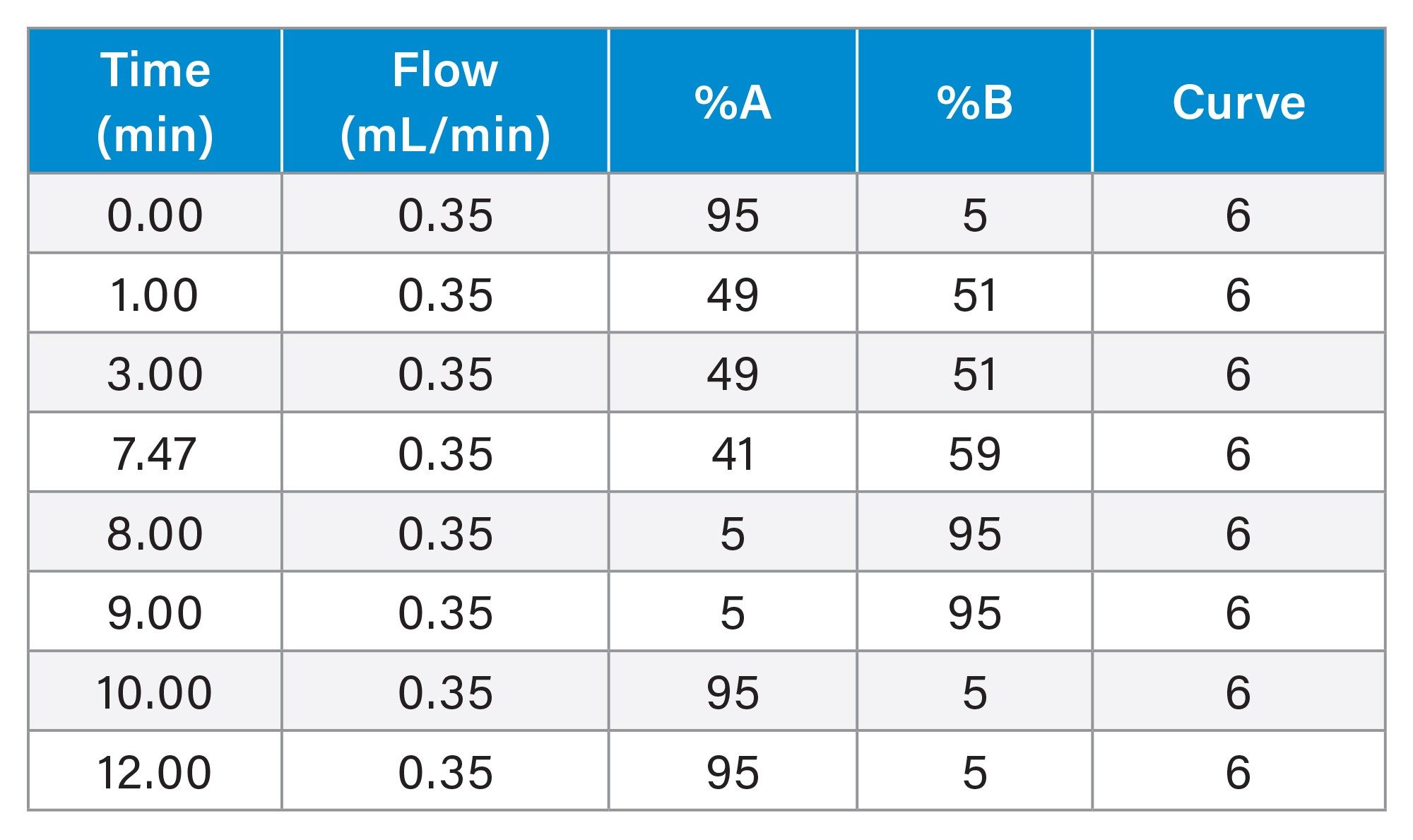
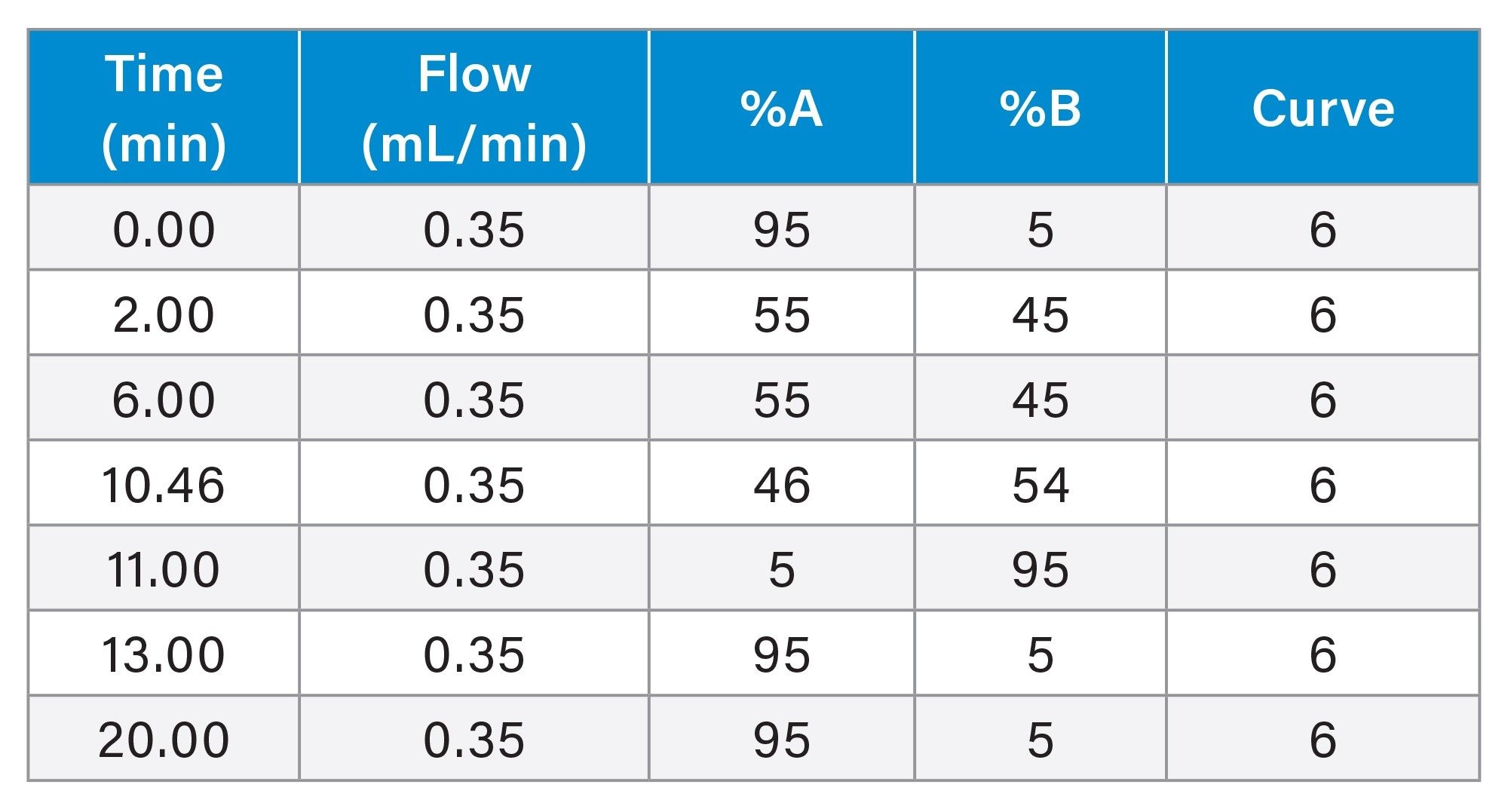
Gradient Table: Analytical Focused Method 2
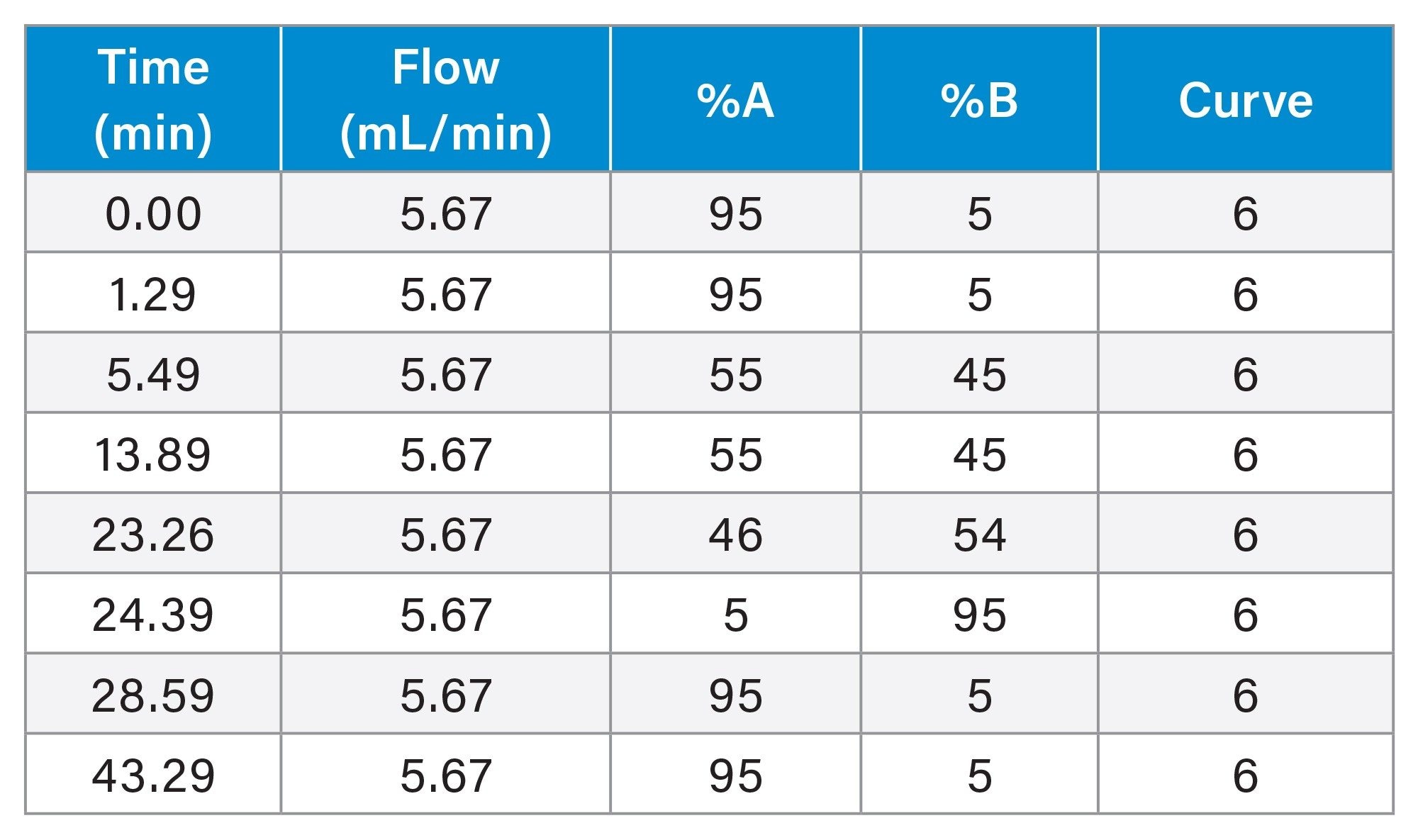
Gradient Table: Preparative Method
Data Management
|
Chromatography software: |
MassLynx™ version 4.2; Empower™ 3 |
|
Application manager: |
FractionLynx |
Results and Discussion
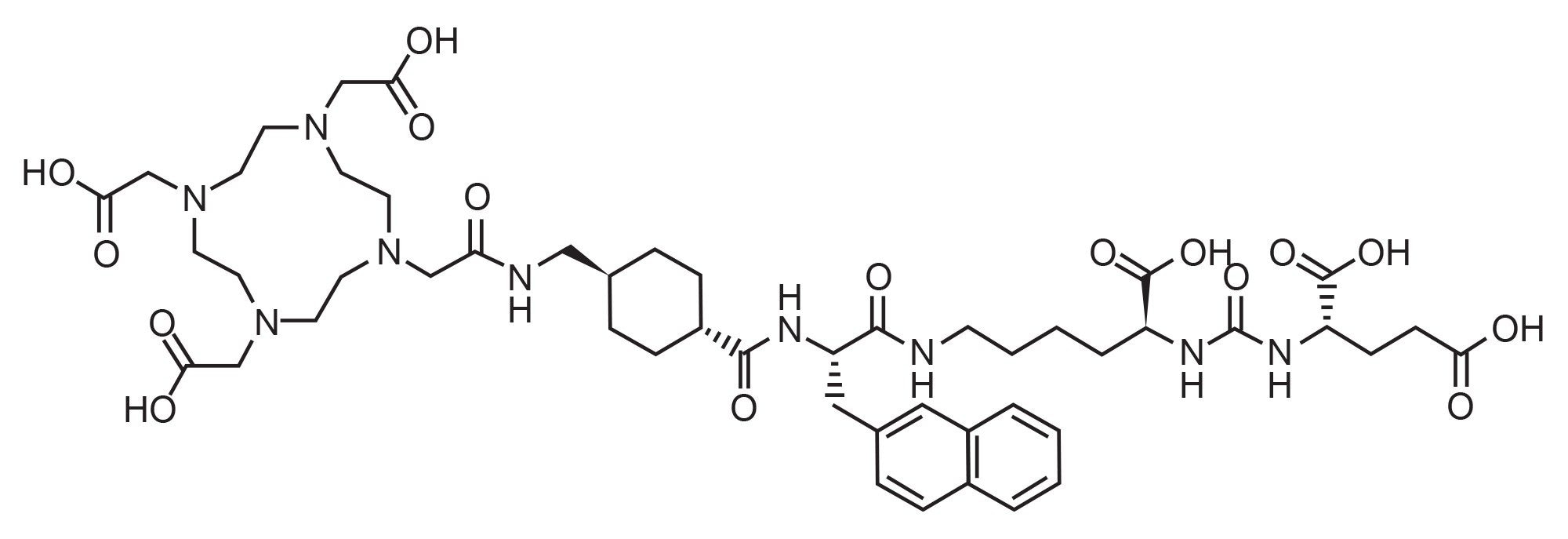
PSMA-617, the radioligand precursor (Figure 1), was degraded using the forced stressor conditions outlined above. Because the chemical structure of PSMA-617 contains a chelating group, this precursor was likely to have an affinity for adsorbing to metal surfaces, a phenomenon called non-specific adsorption (NSA). Berthelette et al.2, detailed the advantages of using an XSelect Premier CSH Phenyl-Hexyl Column with an inert surface for the separation of the PSMA-617 precursor from the degradant impurities. The CSH Phenyl-Hexyl stationary phase5, which is manufactured on a hybrid particle, provides alternate selectivity to C18 stationary phases. Higher peak areas, lower USP tailing factors, and narrower peak widths were observed when a column with an inert surface (as compared to a column with the same stationary phase in stainless steel column hardware) was used.
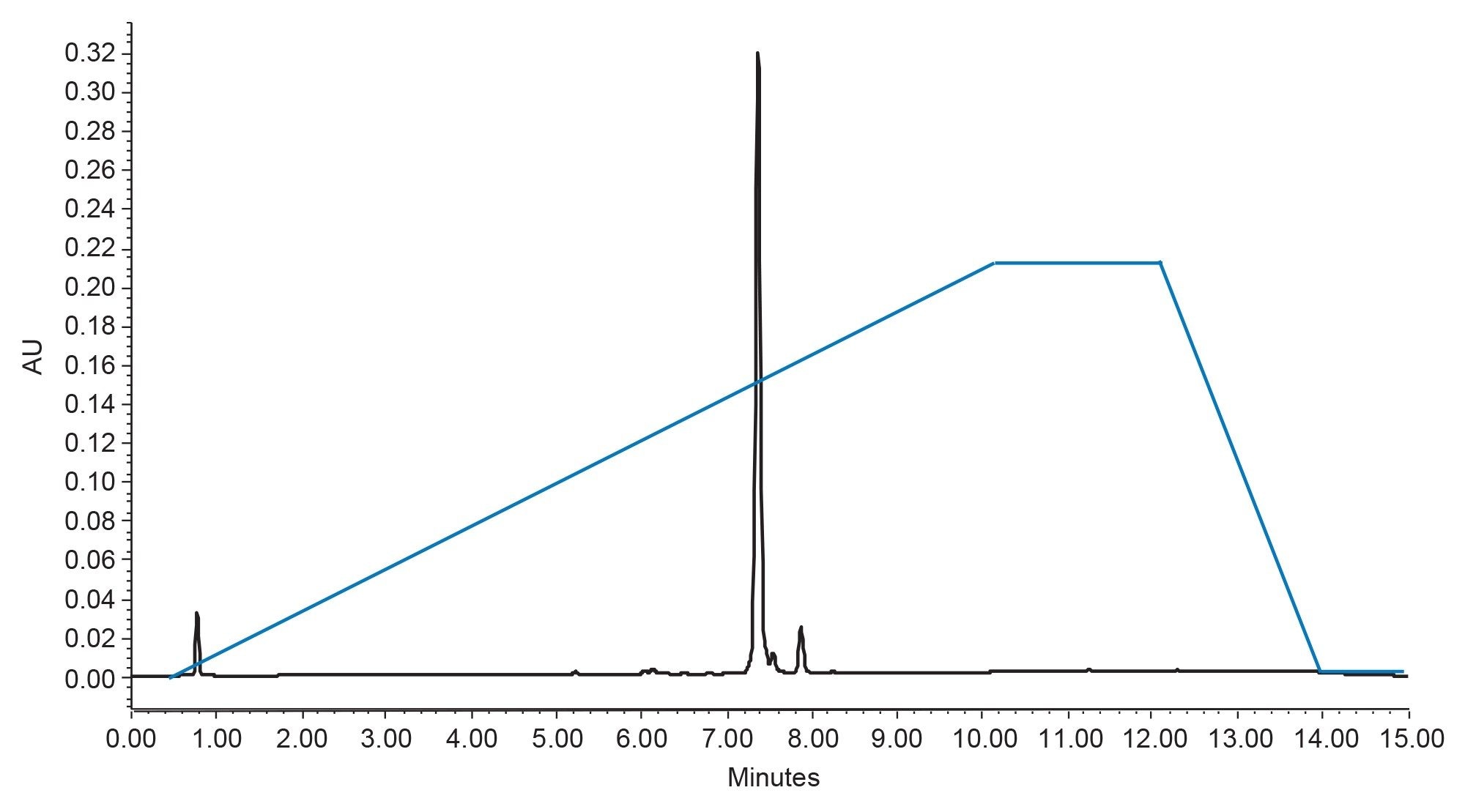
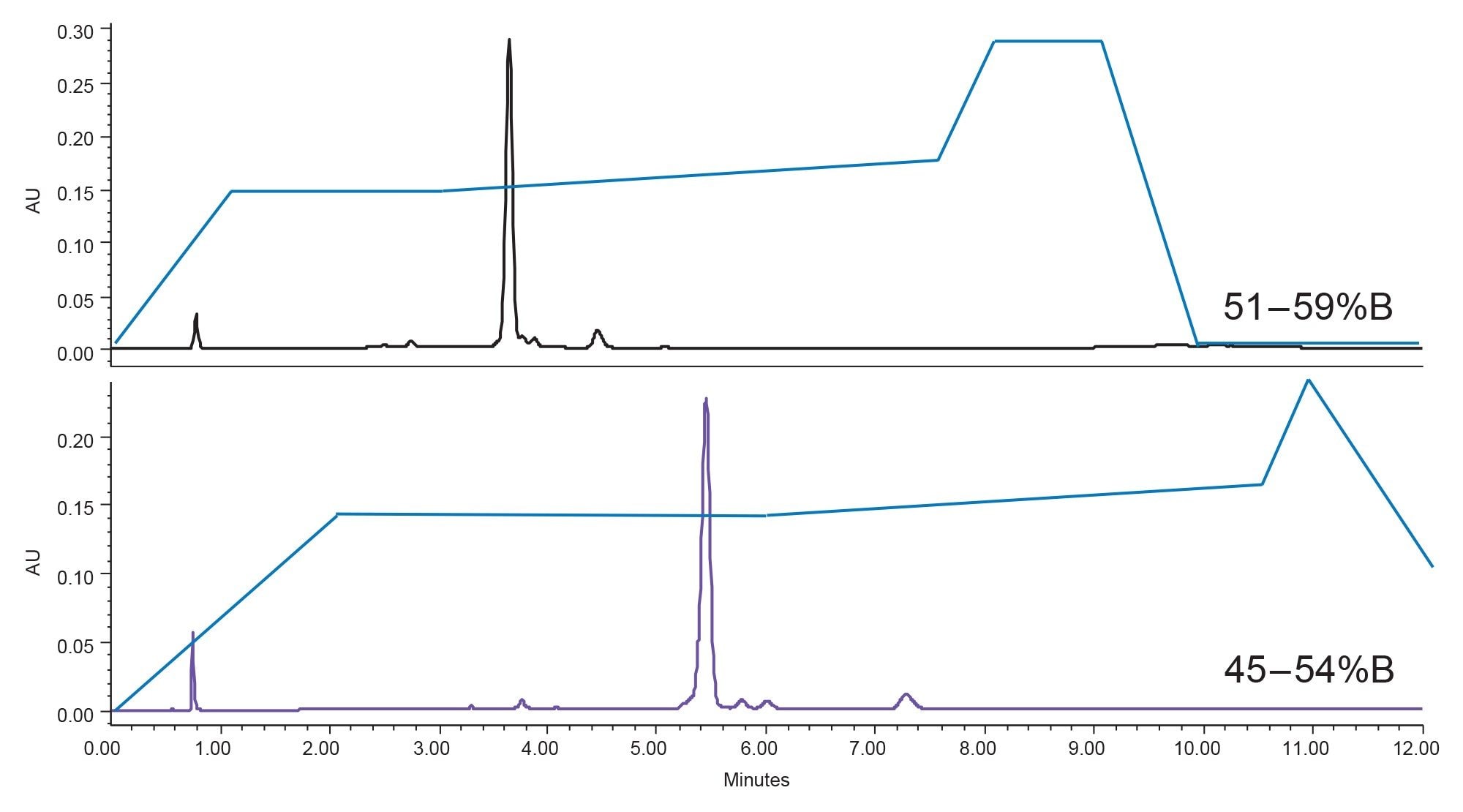
For this ensuing study, all chromatography was performed using columns with inert hardware, also known as Waters HPS (high performance surface) Technology. The sample was first analyzed using a 5–95% B scouting gradient at room temperature. The chromatogram showed at least two contaminant peaks eluting very close to the PSMA-617 peak at about 7 minutes (Figure 2). A focused gradient was developed for improving the resolution between the main peak and the closely eluting contaminants.6 Because the 51–59% B gradient failed to separate the main peak from the peaks eluting immediately after it, the focused gradient was modified to run from a slightly lower starting percentage with an 8% range (45–54% B). As shown in Figure 3, this second focused gradient separated the two small peaks from the PSMA-617 and was subsequently scaled for the preparative isolation.
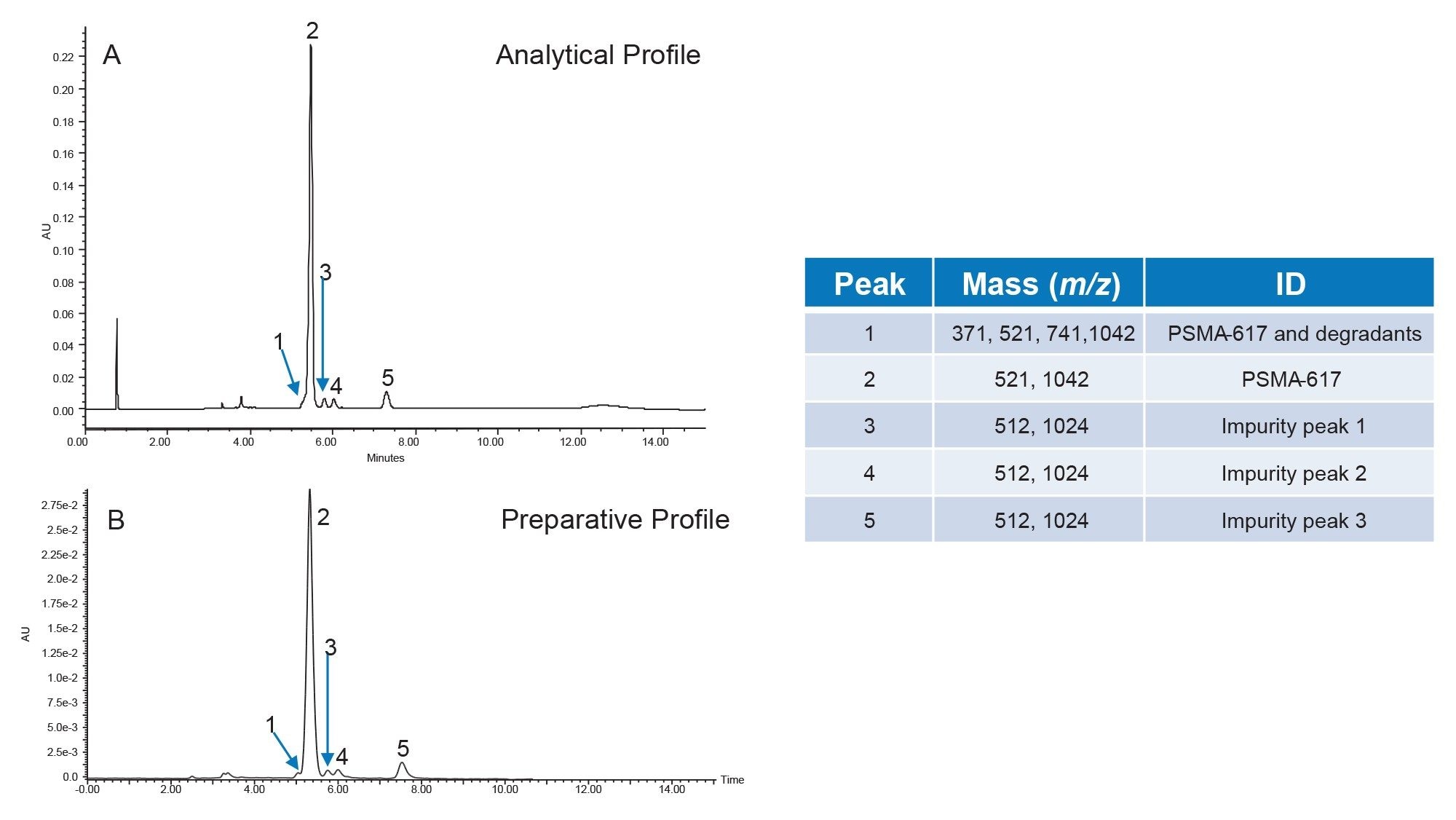
The analytical chromatography was performed on a 2.1 x 100 mm column packed with 2.5 µm XSelect CSH Phenyl-Hexyl stationary phase, for which the ratio of the column length to the particle diameter (also known as L/dp) was 40,000. To maintain the separation at the preparative scale, a column with a similar L/dp ratio was used:7 a custom packed 10 x 150 mm, 3.5 µm MaxPeak Premier XSelect CSH Phenyl-Hexyl OBD Column with an L/dp ratio of 42,857. Figure 4 shows that the preparative separation matched the analytical separation upon scaling to the larger diameter OBD column, which made peak identification and compound isolation straightforward. The preparative separation with fraction collection is shown in Figure 5. Peaks were identified using mass analysis in electrospray positive mode as shown in the table. Peak 1, the small shoulder on the front of peak 2, contained the singly and doubly charged ions for PSMA-617 (m/z 1042 and 521, respectively) as well as two other degradants with m/z 371 and m/z 741. Peak 2 was identified as PSMA-617. Peaks 3, 4, and 5 all have the same two masses, m/z 1024 and m/z 512, most likely the singly and doubly charged ions for each of these three unknowns. Since compound isolation was targeted for the main peak and the two closely eluting impurities after peak 2, peak 5 was not collected.
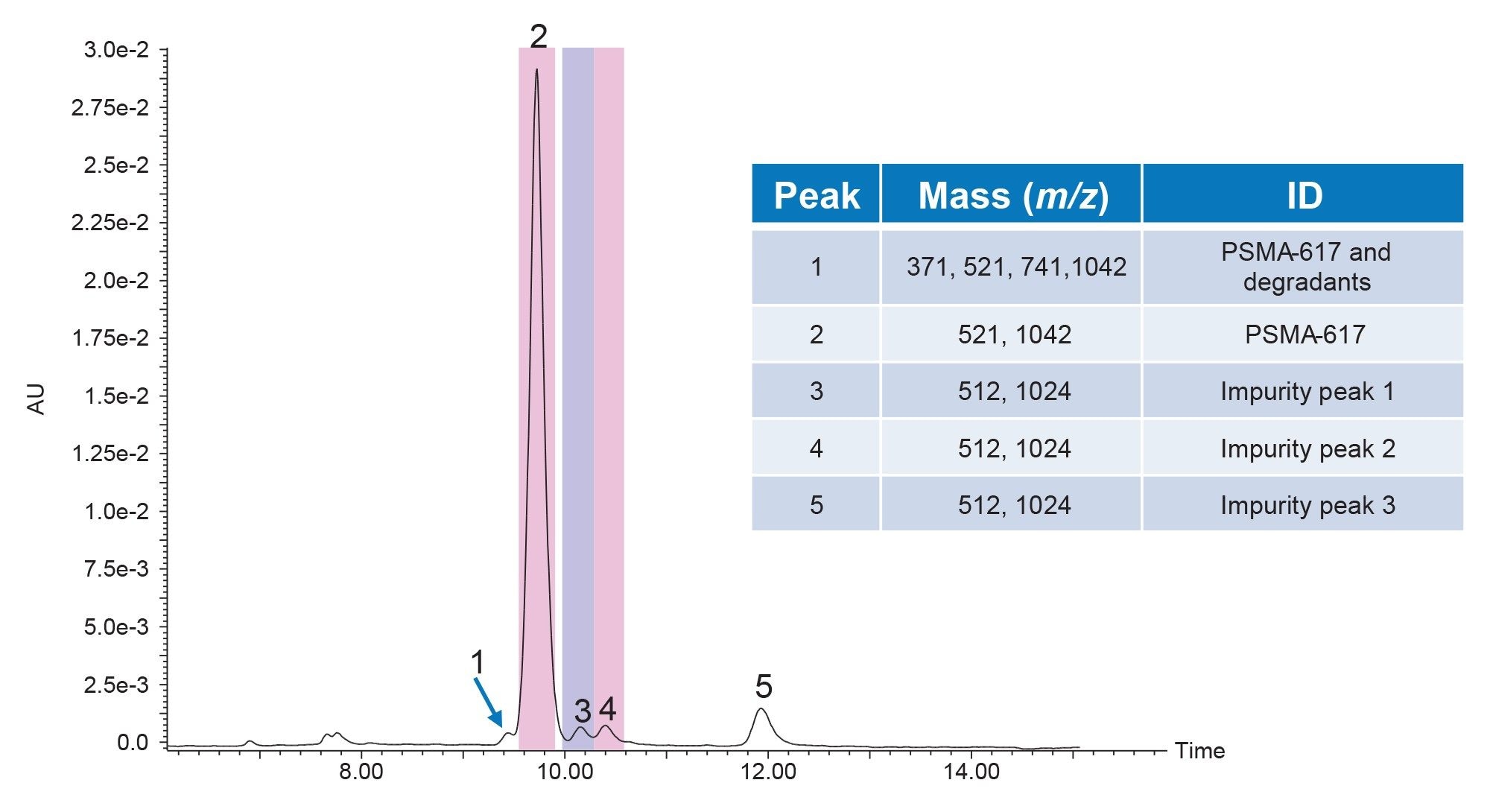
As the characterization and testing requirements for smaller amounts of target compound becomes commonplace in drug discovery and development, small particle preparative columns empower the purification scientist to isolate highly pure compounds faster at reduced scale and with lower volume fractions for faster dry-down times. In these experiments, the small particle preparative column effectively resolved the impurity eluting just before the PSMA-617 target peak. In addition, the two contaminant peaks eluting just after the target peak were well separated and their isolated fractions were easily collected. To save time, the purification runs were terminated early to prepare the column for subsequent injections.
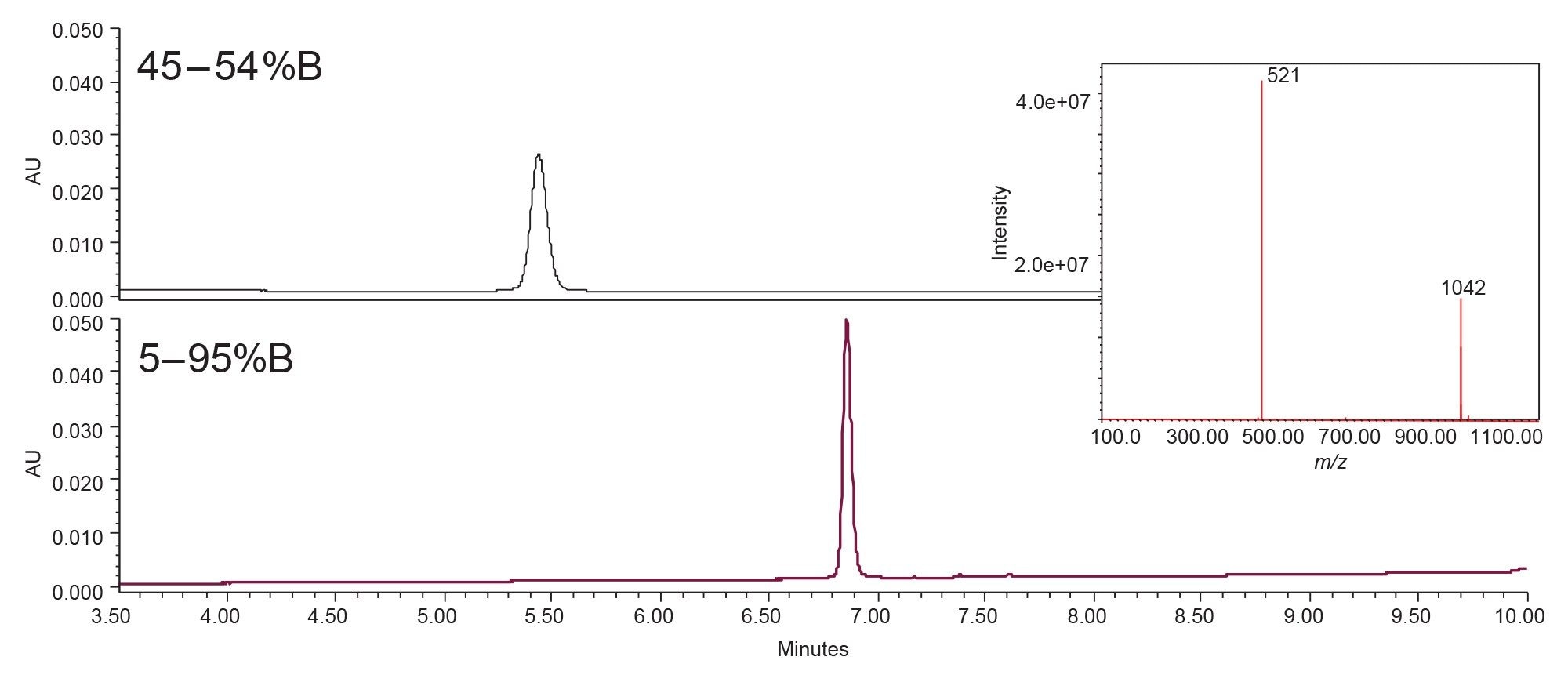
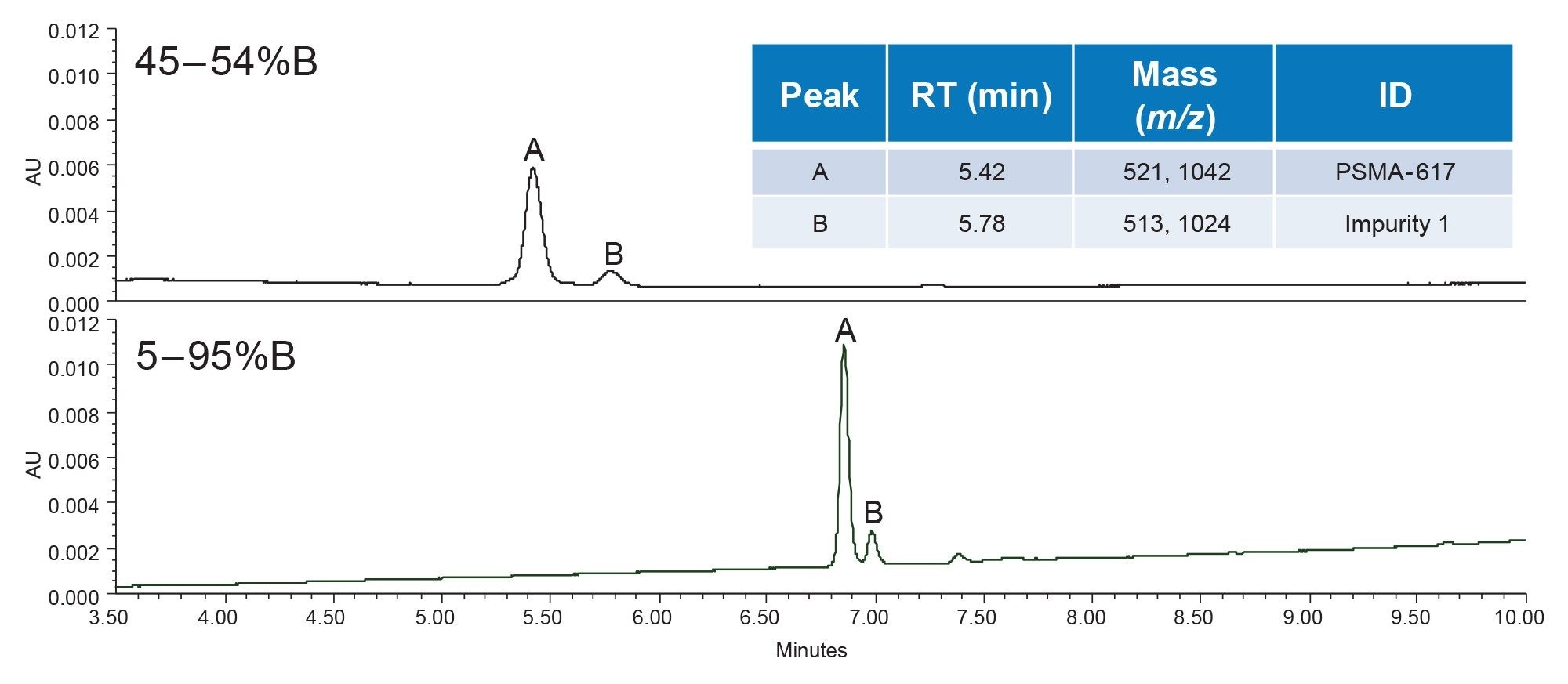
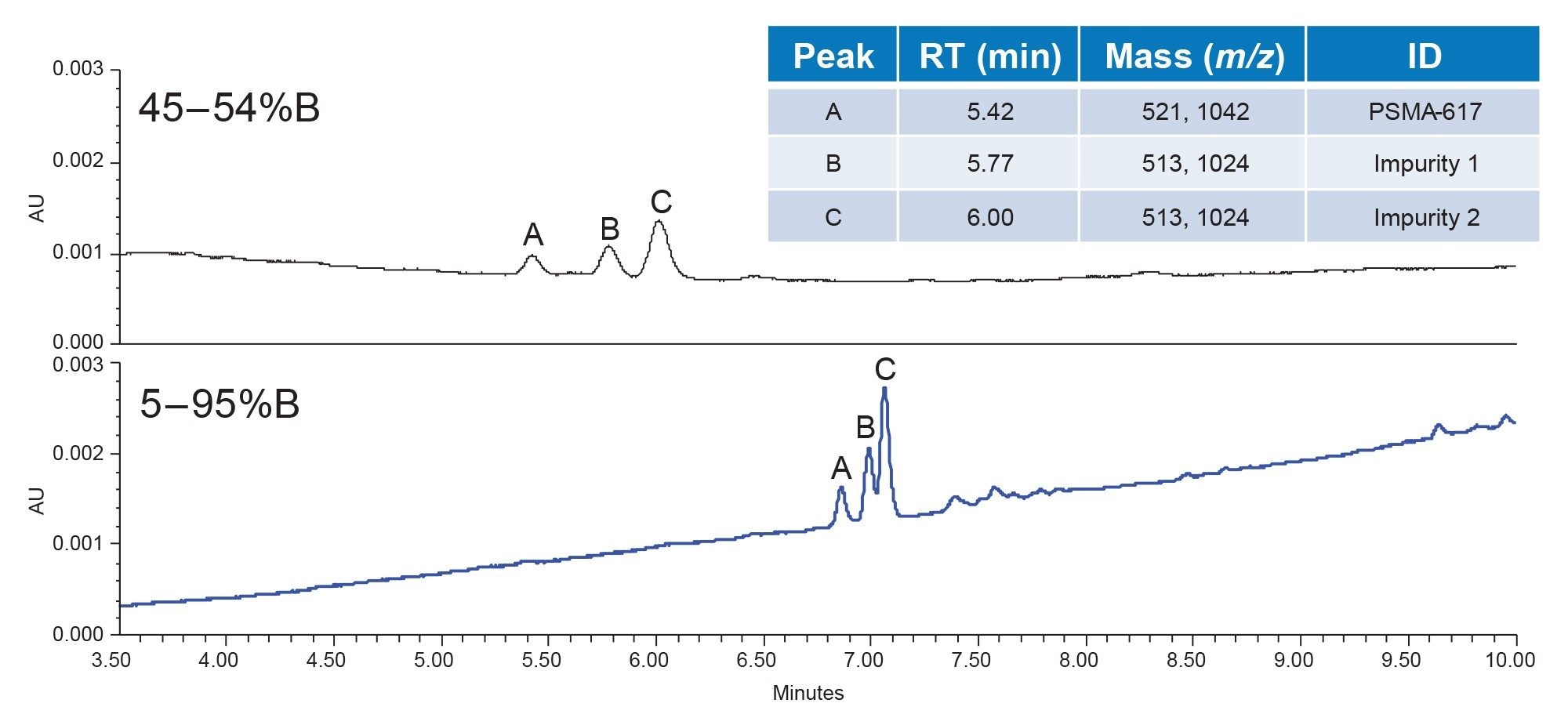
Analysis of the pooled PSMA-617 fractions with both the fast screening gradient as well as the focused gradient (Figure 6) indicated that the fraction gave a single peak, with no obvious contamination from the closely eluting components present in the crude sample mixture. An MS scan of the peak showed only the singly and doubly charged PSMA-617 present confirming the purity achieved during isolation. Although UV and mass analyses of the fraction pools of the two impurities indicated that these degradants were not pure, they were target-enriched (Figures 7 and 8). Enrichment simplifies the subsequent purification step by producing more material for the ensuing workup. The chromatography of the impurity pools suggested that another isolation using the same focused gradient would most likely produce pure fractions since the peaks in each fraction pool were very well resolved. Scientists who purify and characterize targets, as well as the degradants or impurities in the crude sample mixture, usually enrich the minor components and then perform another purification. Known also as a polishing step, this approach often produces enough material for full structural elucidation and component identification. This is a crucial step in the drug development process.
Conclusion
The high-performance surface technology used in MaxPeak Premier columns (Waters HPS Technology) was previously shown to produce higher peak areas, lower USP tailing factors, and narrower peak widths for the radioligand precursor PSMA-617 and its degradants during method development and screening.2 In that study, the XSelect CSH Phenyl-Hexyl stationary phase, with its charged surface hybrid particle, showed the best chromatographic resolution for PSMA-617 from the degradants of interest.
In the present work, the chromatographic methods were further optimized to improve resolution for the preparative isolation of all components in the crude mixture. Direct and predictable scaling from UHPLC to prep was demonstrated using a focused gradient for the isolation of PSMA-617 from the impurities in the forced degradation sample mixture using both analytical and preparative columns with inert hardware. Although the 3.5 µm XSelect CSH Phenyl-Hexyl Column showed the presence of an impurity eluting just before PSMA-617 in the preparative run, judicious control of the fraction collection parameters on the AutoPurification System produced pure target compound. Two later eluting impurities were also collected and enriched. The chromatographic profiles for these degradants showed that a final polishing step would most likely produce pure compounds for the ensuing crucial steps in the drug development process, characterizing impurities. Therefore, the purification success is attributable to the combination of technologies working in conjunction with one another -- the characteristics of the stationary phase, the small 3.5 µm particle prep OBD column with inert hardware (HPS Technology), carefully focused gradients, and LC system control over fraction collection. These technologies are well-suited for the demands of the purification laboratory when results must be generated efficiently.
References
- Giugliano, F; et al. Cancer Treat. Rev. 136 (2025) 102940.
- Berthelette, K; Aiello, M; Collins, C; Walter, TH. Development of a UPLC Method for a Forced Degradation Study of Radioligand Therapy Precursor PSMA-617. Waters Application Note. 720009042, 2025.
- DeLano, M; et al. Anal. Chem., 93 (2021), 5773–5781 https://doi.org/10.1021/acs.analchem.0c05203.
- Xia, J; Jablonski, J; Shave, D; Lawrence, K. Temperature Control Using Waters LC Purification Systems with Timberline’s Column and Mobile Phase Heaters: Optimizing Preparative Performance. Waters Corporation; Waters Application Brief: 720008874, 2025.
- Fountain, K; Hewitson, H; Iraneta, P; Morrison, D. Practical Applications of Charged Surface Hybrid (CSH) Technology, Waters Application Note: 720003720, 2010.
- Jablonski, J; Wheat, T; Diehl, D. Developing Focused Gradients for Isolation and Purification. Waters Corporation; Waters Application Note: 720002955, 2009.
- Jablonski, J. 5 Rules of Scaling LC Purification. Waters Corporation; Article: 720008383, 2024.
720009446, June 2026


